Глобал тўнтариш сиёсати. АҚШ кимларни ағдарди?
Таҳлил
−
05 Январь 18548 13 дақиқа
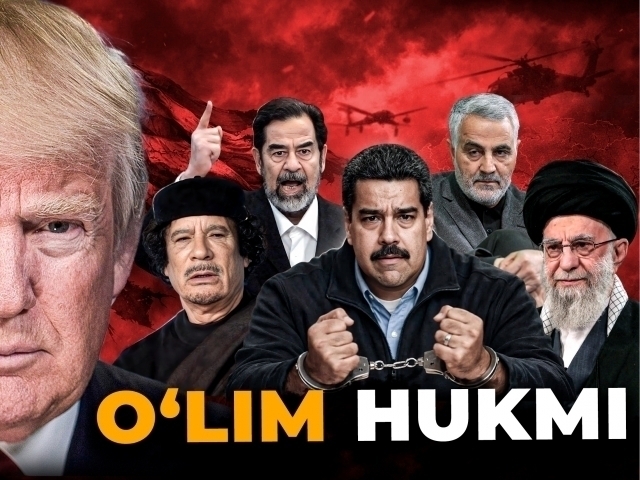
ХХ асрнинг иккинчи ярми ва ХХI аср бошларида АҚШ ташқи сиёсатида энг баҳсли масалалардан бири – бошқа давлатлардаги ҳокимият алмашувларига бевосита ёки билвосита аралашувлар бўлди. Расмий Вашингтон бу жараёнларни кўпинча “демократияни ҳимоя қилиш”, “инсон ҳуқуқларини қўллаб-қувватлаш” ёки “хавфсизлик таҳдидларини бартараф этиш” билан изоҳлаган. Бироқ АҚШ томонидан давлат раҳбарларининг ағдарилиши ёки ҳокимиятдан четлатилиши бўйича тарихий тажриба шуни кўрсатадики, ташқи сиёсатда эълон қилинган қадриятлар билан реал амалиёт ўртасида жиддий тафовут мавжуд. Демократия ва инсон ҳуқуқлари кўпинча восита сифатида ишлатилган, асл мақсад эса геосиёсий устунлик, ресурслар ва минтақавий назорат бўлган.
Бугун 12 йилдан ортиқ вақт мобайнида Венесуэлани бошқариб келган Николас Мадуро 3 соатлик операция оқибатида ағдарилиб, Қўшма Штатларга олиб келинди. Бу воқеа халқаро ҳамжамиятда кенг муҳокамаларга сабаб бўлди. Венесуэла раҳбарининг ҳибсга олиниши АҚШ сўнгги ўн йилликларда турли мамлакатларнинг сиёсий тақдирига қандай қилиб бевосита ёки билвосита таъсир кўрсатганига оид мисолларни яна бир бор кўзга ташлади. 2020 йил 3 январь Трамп Эрон генерали Қосим Сулаймонийни ўлдиришни буюрди, 2026 йил 3 январда эса Трамп Венесуэла президенти Николас Мадурони ҳибсга олишни буюрди. Бу АҚШ аралашуви орқали ўлдирилган ёки ағдарилган биринчи олий даражадаги қурбонлар эмас.
QALAMPIR.UZ тарих давомида Қўшма Штатлар ағдаришда роль ўйнаган етакчилар рўйхатини тақдим этади. Шуни таъкидлаш керакки, баъзи ҳолларда Вашингтон жараёнларга очиқ ҳарбий аралашув орқали, бошқа ҳолларда эса сиёсий, иқтисодий ва дипломатик механизмлар орқали таъсир кўрсатган.
Муҳаммад Мусаддиқ (Эрон)

1950-йилларнинг бошларида демократик йўл билан сайланган ва Эрон суверенитети, иқтисодий мустақиллик ва парламент устуворлигини асосий қадрият деб билган сиёсатчи Муҳаммад Мусаддиқ 1953-йилда АҚШ ва Британия разведкаси томонидан қўллаб-қувватланган давлат тўнтариши оқибатида ағдарилди. Бу АҚШнинг махфий операциялар орқали ҳукумат ўзгаришига таъсир кўрсатишининг классик намунаси ҳисобланади. Мусаддиқнинг ағдарилишига олиб келган энг муҳим сабаб – Эрон нефт саноатини миллийлаштиргани бўлди. 1951-йилда Британия назоратидаги Англия-Эрон нефть компаниясини (AIOC, кейинчалик BP) миллийлаштириб, унинг даромадли монополиясига чек қўйди. Фойданинг асосий қисми Буюк Британияга кетар, Эрон эса жуда кам улуш олар эди. Мусаддиқ бу ҳолатни мустамлакачиликнинг давом этиши деб баҳолади.
Британия очиқ ҳарбий йўл билан аралаша олмагани сабабли Эронга нисбатан нефть эмбаргоси жорий қилди, Эрон нефтини сотиб олган давлатларга босим ўтказди, Халқаро судларда Эронга қарши даъволар қўзғади.
Дастлаб АҚШ Мусаддиққа нисбатан нейтрал эди. Аммо 1950-йиллар бошида вазият ўзгарди. 1953-йилда АҚШ Марказий разведка бошқармаси (CIA) ва Буюк Британия разведкаси (MI6) ҳамкорликда махфий давлат тўнтариши уюштирди. 1953-йил март ойида TP-Ajax, яъни “Ажах операцияси” деб аталган режа CIA ва Буюк Британия разведка хизмати MI6 томонидан амалга оширилиши кўзда тутилган эди. Режанинг асосий мақсади халқни қўзғатиш орқали Мусаддиқни лавозимидан воз кечишга мажбур қилиш бўлган.
Америка ва Британия разведка хизматлари Мусаддиқ ҳукуматига қарши бўлган гуруҳлар билан яқин алоқалар ўрнатди. Миллионлаб доллар пора тарқатилганидан сўнг, бу гуруҳлар бошқарувдан норози бўлган аҳолининг ҳис-туйғуларини кучайтириб, мамлакатда тартибсизликлар келтириб чиқарди. Ушбу тўқнашувлар оқибатида юзлаб одамлар ҳалок бўлди.
Бу вақтда ғарбпараст Шоҳ Муҳаммад Ризо Паҳлавий Мусаддиқни лавозимидан четлатишни истар эди ва унинг ўрнига генерал Фазлуллоҳ Заҳидийни тайинлади. Бунга жавобан Мусаддиқ тарафдорлари ҳам кўчаларга чиқди ва Шоҳ аввал Ироққа, сўнг Римга қочди. Мусаддиқни ағдаришга қаратилган бу уриниш дастлаб муваффақиятсиз тугади.
Бироқ бир неча ой ўтгач, генераллар мамлакатдаги тартибсизликларга барҳам бериш баҳонасида Мусаддиқ, унинг вазирлари ва тарафдорларини ҳибсга олди. Шоҳ эса уч кундан сўнг Эронга қайтди. Шу тариқа Буюк Британия ва АҚШ демократик йўл билан ҳокимиятга келган, халқ талаби билан нефтни миллийлаштирган ва амалга оширмоқчи бўлган ислоҳотлари орқали демократияни мустаҳкамлашга уринаётган Мусаддиқ ҳукуматини ағдаришга муваффақ бўлди.
Тўнтаришдан сўнг Мусаддиқ ватанга хиёнат қилишда айбланиб, 3 йил муддатга қамоққа ҳукм қилинади ва ҳаётининг сўнгги йилларини уй қамоғида ўтказади. У 1967-йилда уй қамоғида бўлган ҳолатда вафот этади.
Сальвадор Альенде (Чили)
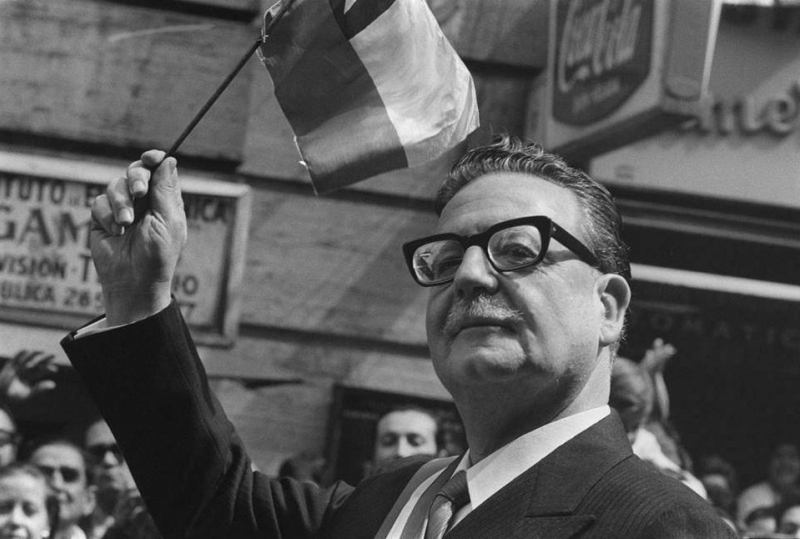
1973 йилда Чили президенти Сальвадор Альенде генерал Аугусто Пиночет томонидан ҳарбий тўнтариш оқибатида ағдарилди. АҚШ тўнтаришни тўғридан-тўғри амалга оширмаган бўлса-да, Вашингтоннинг сиёсий ва разведка ёрдами халқаро манбаларда билвосита аралашув сифатида баҳоланади.
Альенде Чили тарихида биринчи маротаба демократик йўл билан сайланган социалист президент эди. Унинг миллийлаштириш сиёсати (масалан, конларни, айниқса, Америка компанияларига тегишли конларни миллийлаштириш) ишбилармон ва консерватив элита томонидан қаттиқ қаршиликка учради. Парламентда Альенде ҳукуматига қарши кўплаб қарорлар ва блокадалар бўлиб, унинг иқтисодий ва сиёсий ислоҳотларини тўхтатишга ҳаракат қилинди.
Сальвадор Альенде ҳукмронлигининг дастлабки ойларида Чилида социалистик жамият қуриш муҳимлигини таъкидлади. Бой одамларнинг мулки мусодара қилинди ва аҳоли устидан қатъий назорат ўрнатилди. Альенденинг буйруғи билан 15 ёшгача бўлган болалар ва янги туғилган чақалоқларнинг оналарига кунига ярим литр сут берилди. Мамлакатдаги энг кам маош олувчи одамларнинг маошлари икки баравар оширилди. Мамлакатда фаолият юритаётган хорижий компанияларга санкциялар қўллаш ва маҳаллий компанияларни давлат назоратига ўтказиш жараёни тезлаштирилди. 1970-йилда Чилида 1960-йилларда совуқ уруш контекстида АҚШга қарши фаол социалистик давлат сифатида кўрилган Куба элчихонасининг очилиши Қўшма Штатлар билан муносабатларнинг кескинлашишига олиб келди. Бу АҚШнинг ички сиёсий ва иқтисодий аралашувини кучайтирди, натижада 1973-йилда ҳарбий тўнтаришнинг заминини яратди.
АҚШ разведкаси қўллови билан миллий хавфсизлик ва социалистик сиёсатнинг Чили иқтисодий барқарорлигини бузиши ҳақидаги даъволар фонида 1973-йилда диктатор генерал Аугусто Пиночет бошчилигидаги ҳарбий тўнтариш оқибатида Сальвадор Альенде ағдарилди. Президент саройига уюштирилган кенг қамровли ҳужум вақтида Альенде вафот этади ва унинг ўлими атрофидаги ҳолат можаро мавзусига айланади. Ҳарбий расмийлар унинг ўз жонига қасд қилганини иддао қилса, бошқалар у ўлдирилган ва ўз жонига қасд қилиш ҳолати саҳналаштирилган деб ҳисоблашди. 1990-йилда унинг жасади қабрдан чиқарилиб, пойтахт Сантягода расмий жамоат дафн қилинади. Пиночет режими томонидан содир этилган қотилликлар бўйича жиноят тергови доирасида Альенде жасади 2011-йил май ойида яна қабрдан чиқарилиб, илмий аутопсия ўтказилади. Натижалар унинг ўз жонига қасд қилганини тасдиқлайди.
Мануэль Норьега (Панама)
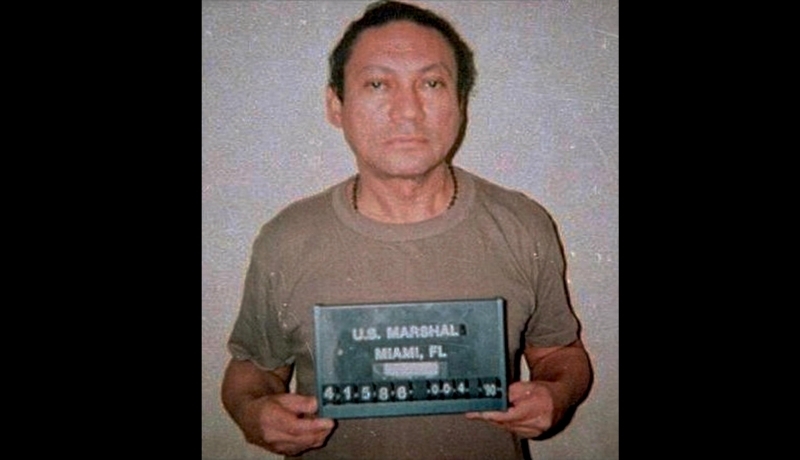
Николас Мадуро иши билан тарихий жиҳатдан энг яқин ўхшаш ҳолат Панама мамлакатининг амалдаги диктатори бўлган Мануэль Норьега билан боғлиқ. 1989-йилда АҚШ ҳарбийлари Панамада тўғридан-тўғри ҳарбий операция бошлайди. Мамлакат етакчиси Мануэль Норьега ағдарилади, АҚШга олиб кетилиб, гиёҳванд моддалар савдоси айбловлари билан узоқ муддатли қамоқ жазосига ҳукм қилинади. Бу АҚШнинг хорижий етакчини ўз ҳудудида суд қилган ноёб ҳолатлардан бири эди. Бунинг сабаблари сифатида АҚШ фуқароларини Панамада ҳимоя қилиш, нодемократик амалиётлар, коррупция ва ноқонуний наркотик савдоси кўрсатилган.
Норьега АҚШ билан алоқалари туфайли аввалига “стратегик ҳамкор” сифатида танилган, айниқса совуқ уруш даврида Марказий Америкадаги коммунистик ҳаракатларга қарши курашда АҚШ томонидан қўллаб-қувватланган. Шу билан бирга, у наркотик контрабандасида иштирок этганлиги ва коррупцияга алоқадорлиги билан танилган.
АҚШнинг Панамада ҳарбий ҳаракати ўша пайтда Вьетнам урушидан кейинги энг катта АҚШ жанг операцияси ҳисобланган. АҚШ ҳукумати бу операцияни оқлаш учун турли сабабларни келтирган, жумладан, Норьегани АҚШга олиб келиб, наркотик савдоси бўйича судга тортиш орқали панамаликларнинг аҳволини яхшилашни мақсад қилган.
Норьега ҳокимиятда бўлган пайтидаёқ АҚШ судлари томонидан гиёҳванд моддалар савдоси бўйича айбланган. Кейинчалик АҚШ ҳарбий амалиёти ортидан қўлга олиниб, суд қилиниши учун АҚШга олиб кетилган.
Худди шунга ўхшаш тарзда, Николас Мадуро ҳам АҚШ томонидан “нарко-терроризм” айбловларига дуч келган ва АҚШ ҳаракатлари ортидан қўлга олинган.
Мануэль Норьега Майамига экстрадиция қилинган, 1992 йилда айбдор деб топилиб, 40 йилга озодликдан маҳрум этилган. У АҚШ федерал қамоқхонасида тахминан 17 йил жазо ўтаган.
2010 йилда пул ювиш айблови билан Францияга экстрадиция қилиниб, 7 йилга ҳукм этилган, 2011 йилда эса қотиллик айбловлари бўйича жазо ўташи учун Панамага қайтарилган ва 2017 йилда вафотигача уй қамоғида сақланган.
Саддам Ҳусайн (Ироқ)
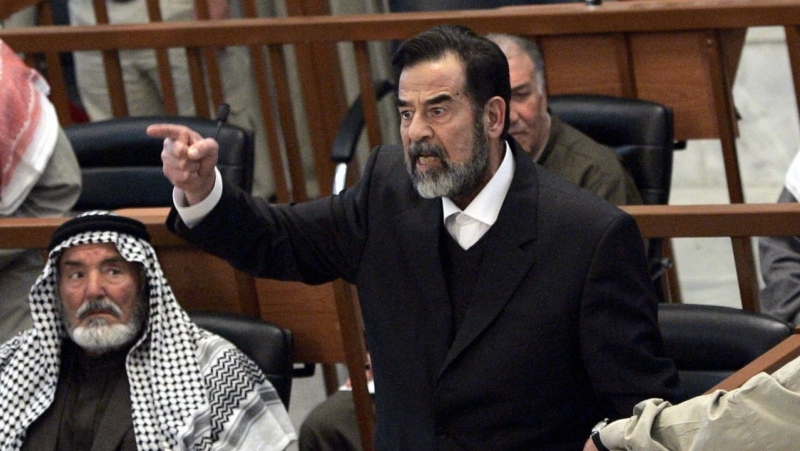
2003-йилда Саддам Ҳусайн Ироқда АҚШ бошчилигидаги коалиция томонидан ағдарилди. Кейинчалик у қўлга олинди, суд қилинди ва қатл этилди. Бу АҚШнинг режим ўзгаришига бевосита ҳарбий аралашувининг энг очиқ мисолларидан бири эди. Расмий Вашингтон бу ҳаракатни “хавфсизликни таъминлаш” ва “оммавий қирғин қуроллари таҳдиди” билан изоҳлаган бўлса-да, кейинчалик воқеалар бу сабабларнинг қанчалик мунозарали эканини кўрсатди.
Саддам Ҳусайн ҳокимиятининг дастлабки йилларида АҚШ Ироқни Эрон исломий инқилобига қарши мувозанат кучи сифатида кўрган. 1980-йилларда АҚШ Саддам режимига билвосита сиёсий ва разведка кўмаги кўрсатган.
Бироқ 1990 йилда Ироқнинг Қувайтни босиб олиши муносабатларни бутунлай издан чиқарди. АҚШ бошчилигидаги коалиция Қувайтни озод қилди, аммо Саддамни ҳокимиятда қолдирди. Шундан сўнг Ироқ ўн йилдан ортиқ давом этган қатъий санкциялар остида яшади.
2001 йил 11 сентябрь воқеаларидан кейин АҚШ ташқи сиёсатида кескин бурилиш юз берди. Президент Жорж Буш маъмурияти “ёвузлик ўқи” тушунчасини илгари суриб, Ироқни халқаро хавфсизликка таҳдид солувчи давлат сифатида тақдим этди. АҚШ расмийлари Саддам Ҳусайн оммавий қирғин қуролларини ишлаб чиқаётгани, террористик гуруҳлар билан алоқада бўлгани ва БМТ резолюцияларини мунтазам равишда бузганини даъво қилди.
2003 йил март ойида АҚШ ва Буюк Британия бошчилигидаги коалиция БМТ Хавфсизлик Кенгашининг аниқ розилигисиз Ироққа ҳарбий ҳужум бошлади. Бир неча ҳафта ичида Бағдод эгалланди, давлат бошқарув тизими издан чиқди ва Саддам Ҳусайн ҳокимиятдан ағдарилди. АҚШ бу жараённи “Ироқни озод қилиш” деб атади.
Босқиндан сўнг Саддам Ҳусайн яширинишга мажбур бўлди. 2003 йил декабрь ойида у АҚШ ҳарбийлари томонидан Тикрит яқинида қўлга олинди. Кейинчалик у АҚШ назорати остидаги Ироқ суди томонидан маҳкама қилинди ва инсониятга қарши жиноятларда айбдор деб топилиб, 2006 йилда қатл этилди.
Муаммар Каддафий (Ливия)

2011-йилда Ливияда содир бўлган воқеалар пайтида НАТО ва АҚШ ҳаво операциялари Каддафий режимининг қулашида ҳал қилувчи роль ўйнади. Каддафий АҚШ томонидан тўғридан-тўғри ҳибсга олинмаган бўлса-да, халқаро аралашув унинг ҳокимиятдан четлатилишига йўл очди. Бу жараён билвосита ҳарбий ёрдам деб ҳисобланади.
2011 йилда Ливияда содир бўлган воқеалар Яқин Шарқ ва Шимолий Африкадаги “Араб баҳори” жараёнларининг энг кескин ва фожиали саҳифаларидан бири бўлди. Қарийб 42 йил давомида мамлакатни бошқарган Муаммар Каддафий ҳокимиятдан ағдарилди ва ўлдирилди. Бу жараёнда АҚШ ва НАТО етакчилигидаги Ғарб давлатларининг ҳарбий-сиёсий аралашуви ҳал қилувчи рол ўйнади.
Муаммар Каддафий 1969 йилда ҳарбий тўнтариш орқали ҳокимиятга келиб, Ливияда ўзига хос сиёсий тизим – “Жамаҳирия”ни барпо этди. У Ғарб таъсирига қарши чиқди, нефть саноатини миллийлаштирди ва АҚШни минтақадаги асосий рақиб сифатида кўрди.
1980-1990 йилларда Каддафий АҚШ томонидан “терроризмни қўллаб-қувватловчи етакчи” сифатида баҳоланди, Ливияга санкциялар жорий этилди ва 1986 йилда Триполига АҚШ ҳаво ҳужумлари уюштирилди.
2000-йилларда эса Каддафий Ғарб билан муваққат яқинлашувга борди, ядровий ва кимёвий қуроллардан воз кечди, санкциялар бекор қилинди ва дипломатик алоқалар тикланди. Бироқ бу яқинлик узоқ давом этмади.
2011 йилда Тунис ва Мисрдаги халқ норозиликлари Ливияга ҳам етиб келди. Дастлаб ижтимоий ва сиёсий ислоҳотлар талаби билан бошланган намойишлар тез орада қуролли тўқнашувга айланди. Каддафий мухолифатни “қуролланган исёнчилар” ва “хорижий кучлар қўғирчоқлари” деб атаб, ҳарбий куч ишлатишга буйруқ берди. Бу ҳолат халқаро ҳамжамият томонидан кескин танқид қилинди.
АҚШ, Франция ва Буюк Британия ташаббуси билан НАТО ҳаво ҳужумларини бошлади. АҚШ расмий равишда “қуруқлик орқали қўшин юбормаганини” таъкидлаган бўлса-да, разведка, логистика ва ҳарбий технологиялар орқали аралашув Каддафий режимининг қулашини тезлаштирди.
2011 йил октябрь ойида Муаммар Каддафий Сирта шаҳри яқинида қўлга олиниб, қисқа вақт ичида ўлдирилди. Унинг судсиз қатл этилиши инсон ҳуқуқлари ташкилотлари томонидан кескин танқид қилинди.
Ғарб етакчилари бу воқеани “Ливия халқининг ғалабаси” сифатида баҳолаган бўлса, кўплаб таҳлилчилар бу жараён халқаро ҳуқуқ меъёрларига зид бўлганини таъкидлади. Барқарорлик ўрнига бетартиблик янада авж олди.
Каддафий ағдарилгач, Ливияда тинчлик ва осойишталик ўрнатилмади. Аксинча, давлат институтлари парчаланиб кетди, қуролли гуруҳлар фаолияти кучайди, Ливия бир неча сиёсий марказларга бўлиниб кетди.
Виктор Янукович (Украина)
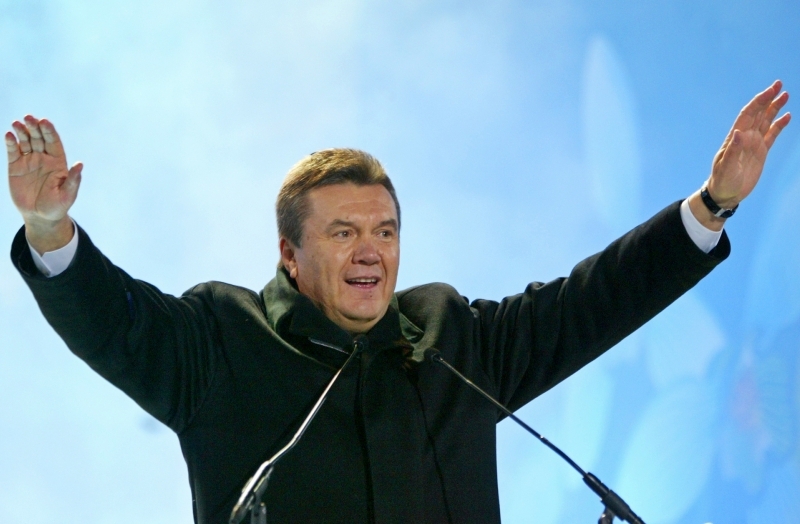
2010-2014 йилларда Украинани бошқарган сиёсатчининг ҳукмронлиги даврида мамлакат Россия ва Европа Иттифоқи ўртасида стратегик йўналиш танлаш муаммоси билан юзлашди. 2013 йилнинг ноябрь ойида Европа Иттифоқи билан ассоциация шартномасини имзолашдан бош тортиши, мамлакат ичида кенг кўламли норозилик акцияларини келтириб чиқарди. Янукович қароридан сўнг Киев ва бошқа шаҳарларида Европа интеграцияси тарафдорлари намойишлари бошланди. Бу ҳаракат, кейинчалик “Евромайдон” деб аталадиган, минглаб одамларни бирлаштирди. Норозиликлар давомида ҳукумат кучлари билан тўқнашувлар юз берди, одамлар ҳалок бўлди ва норозиликлар кенгайиб борди.
Ғарб давлатлари, хусусан АҚШ, “Евромайдон” фаоллари билан дипломатик алоқаларни ўрнатди. Дипломатик баёнотлар ва молиявий ёрдам орқали Ғарб демократик талабларни қўллаб-қувватлади. Баъзи манбалар, жумладан WikiLeaks ва журналистик тадқиқотлар, АҚШ дипломатлари фаолияти орқали Украинадаги сиёсий маслаҳатлар берилганини кўрсатади. Шунга қарамай, Януковичнинг ҳокимиятдан кетиши асосан ички омиллар билан боғлиқ эди. Кенг кўламли норозиликлар, шунингдек, парламентнинг қарорлари, унинг ҳокимиятда қолиш имкониятини камайтирди.
2014 йил февралда норозиликлар кучайиб, парламент қарори билан Виктор Янукович Украинадан Россияга қочишга мажбур бўлди. Януковичнинг ағдарилиши ички сиёсий ва ижтимоий омиллар натижасида содир бўлган бўлса-да, Ғарбнинг дипломатик ва молиявий қўллаб-қувватлаши ҳам муҳим роль ўйнаган. Бу воқеа Украина тарихида демократия ва халқнинг сиёсий иштироки нуқтаи назаридан муҳим бурилиш ҳисобланади.
Николас Мадуро (Венесуэла)
Бугун, 3 январь куни Венесуэла пойтахти Каракас шаҳрига зарба берилди, камида еттита портлаш содир бўлгани, шаҳарнинг бир қисми электр энергиясиз қолгани ҳақида хабар берилди. Портлаш товушлари шаҳарнинг турли ҳудудларида, шунингдек Симон Боливар номидаги Майкетия аеропорти ва Ла-Гуайра порти атрофида ҳам эшитилди.
Кейинроқ Колумбия Президенти Густаво Петро АҚШни Венесуэлани бомбардимон қилишда айблаб, БМТнинг фавқулодда йиғилишини чақиришга чақирди. Шундан сўнг CБС телеканали АҚШ Президенти Дональд Трамп Венесуэла ҳудудидаги қатор объектларга, жумладан ҳарбий нишонларга зарба бериш буйруғини берганини маълум қилди.
Венесуэла Президенти Николас Мадуро мамлакатда кенг қамровли мудофаа тизимини зудлик билан ишга тушириш ва миллий кучларни сафарбар этиш бўйича буйруқ берди. Мамлакатда фавқулодда ҳолат режими эълон қилинди.
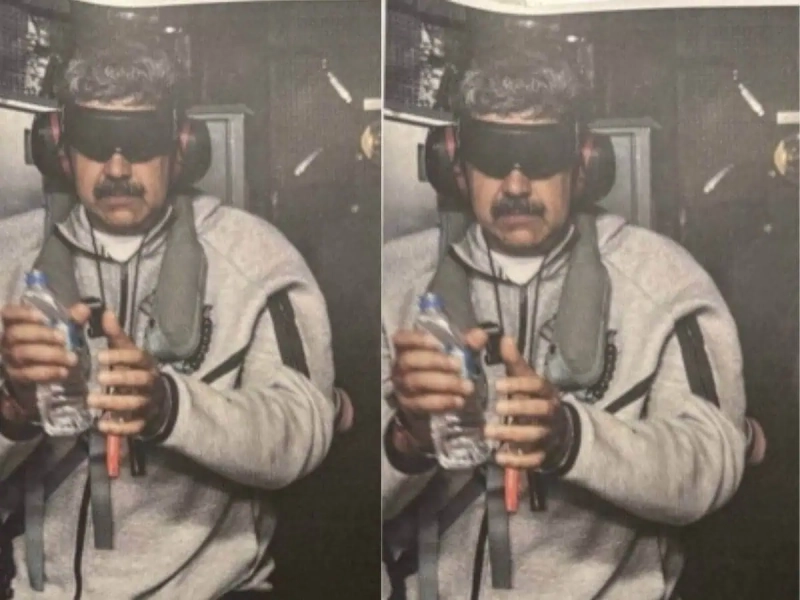
Кейинчалик Дональд Трамп Венесуэлага қилинган ҳужум бўйича баёнот бериб, Мадуро рафиқаси билан бирга қўлга олингани ва мамлакатдан олиб чиқиб кетилганини маълум қилди. Шундан сўнг Россия АҚШнинг Венесуэлага қилган ҳужумини қоралади.
АҚШ Давлат Котиби Марко Рубио Венесуэладаги ҳарбий операция Мадурони қўлга олиш учун ниқоб вазифасини бажарганни маълум қилди. У Николас Мадуро Қўшма Штатларда жиноий жавобгарликка тортиш мақсадида АҚШ вакиллари томонидан ҳибсга олинганини билдирди.
Аммо Венесуэла Ташқи ишлар вазирлиги ва қатор халқаро ҳамжамият вакиллари бу ҳужумнинг мақсади Венесуэланинг стратегик ресурсларини, хусусан, унинг нефть ва минералларини тортиб олиш билан боғлади. Вазирлик ҳаракатларни мамлакатнинг сиёсий мустақиллигини мажбуран бузишга уриниш сифатида баҳолади.

Live
Барчаси