Камтарона ҳаёт ва шеърият: Эрон олий етакчиси Хоманаий ҳақида нималар маълум?
Таҳлил
−
22 Июнь 2025 46088 7 дақиқа
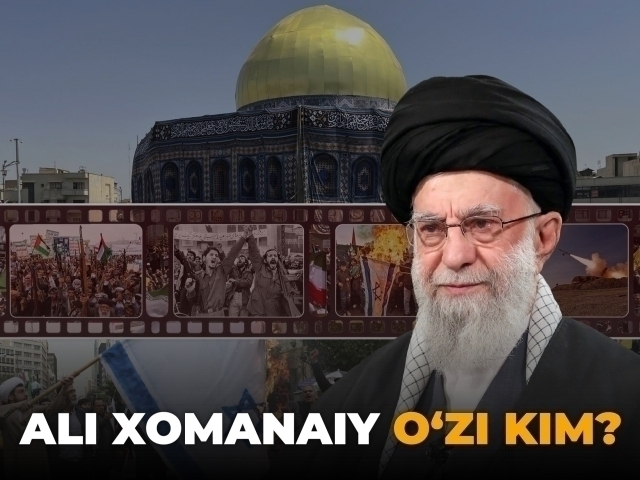
Эрон олий раҳнамоси Оятуллоҳ Али Хоманаий ёпиқ шахс ҳисобланса-да, сўнгги кунларда дунё матбуоти саҳифаларидан тушмаяпти. Эрон-Исроил можароси кенгайиб бораётгани фонида яҳудий давлати ҳамда АҚШ раҳбарияти Хоманаийни йўқ қилиш режасини яшириб ўтирмаяпти. Уларнинг иддаосича, Хоманаийнинг ўлдирилиши гўёки Эронга “эркин нафас олиш” имконини беради. Аммо шундай савол туғилади: Ислом Республикасининг анъанавий душманлари нега Али Хоманаийдан бунчалик қўрқади ва унинг бошига мукофот тикишга тайёр? Хўш, Оятуллоҳ Али Ҳусайний Хоманаий ўзи ким?
Яқинда ABC News’га берган интервьюсида яҳудий давлати Бош вазири Биньямин Нетаньяху Хоманаийни йўқ қилиш ҳарбий можарони якунлашга яқинлаштирувчи фактор эканини таъкидлади. Унинг айтишича, можаролар кескинлашувининг хавфи туфайли Трамп Тель-Авивга Оятуллоҳни йўқ қилиш режасини амалга оширишда рухсат бермаган. Бироқ бу АҚШда бундай ният йўқлигини билдирмайди.
“Олий раҳнамонинг қаерда яширинганини аниқ биламиз. У осон нишон, аммо ҳозирча биз уни ўлдирмаймиз, ҳар ҳолда ҳозир эмас”, деди Трамп шу ҳақда.
АҚШнинг ўзига ёқмаган хорижий етакчиларни йўқ қилиш тарихи ҳисобга олинса, биргина “ҳар ҳолда ҳозир эмас” жумласи ҳам муҳим сигнал ҳисобланади.
Инқилобий қарашлар шаклланиши

Али Хоманаий 1939 йилда Эроннинг Машҳад шаҳрида нисбатан камтарона турмуш кечирувчи маҳаллий диний уламо Жавад Хоманаий оиласида иккинчи ўғил бўлиб дунёга келган. У эрта ёшлигида диний таълим олиб, Қуръон ўқишни ўрганади. 18 ёшида Шиа фиқҳини ўрганиш учун Ироқнинг Нажаф шаҳрига сафар қилади, бироқ отасининг соғлиғи ёмонлашгани учун ортга қайтади.
Хоманаийнинг оилавий ҳаёти ҳақида кўп маълумот мавжуд эмас, фақат уйлангани ва олти фарзанди борлиги маълум. Унинг шеъриятга қизиқиши ҳаммага маълум бўлиб, бу унинг жамиятдаги образининг бир қисмидир. У тез-тез нутқларида шеърлар ўқийди ва ҳукуматни қўллаб-қувватловчи шоирлар билан ижодий кечалар ўтказади. Хоманаийнинг адабиётга бўлган меҳр-муҳаббати диний уламолар орасида жуда ноёб ҳисобланади.
Хоманаий ҳукуматга қарши ҳаракатлари учун бир неча бор ҳибсга олинган ва 1975 йилда сургун ҳам қилинган. Қайтиб келгач 1960-1970 йилларда Хоманаий АҚШ томонидан қўллаб-қувватланган монархия, яъни шоҳга қарши инқилоб етакчиси Оятуллоҳ Руҳуллоҳ Хумайний тарафдорларига қўшилади.
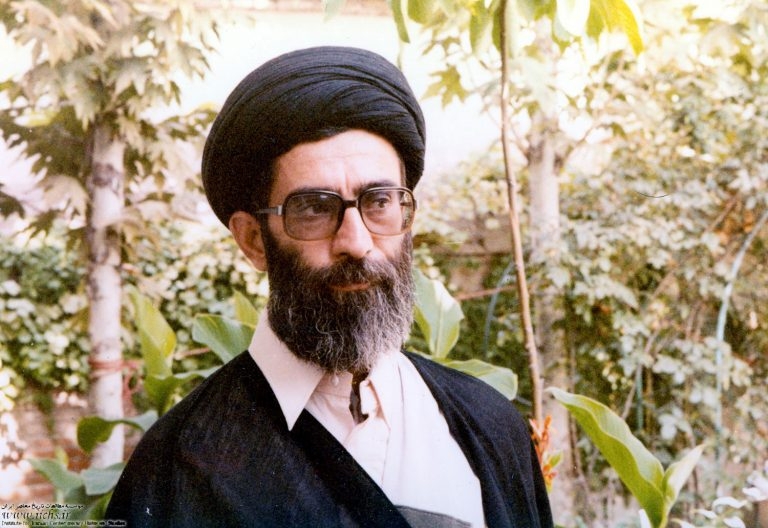
1979 йилгача Эронга ҳукмронлик қилган шоҳ Муҳаммад Ризо Паҳлавий АҚШ ва Буюк Британия каби ғарб давлатлари томонидан қўллаб-қувватланган. Нефть даромадларига асосланган иқтисодий ўсиш оддий эронликларнинг ҳаёт сифатини яхшиламагани сабабли талабалар, зиёлилар ва руҳонийлар инқилобни қўллаб-қувватлади.
Инқилобдан сўнг Эрон Ислом Республикаси деб эълон қилинди ва Хоманаий Ислом инқилоби кенгаши аъзолигига тайинланди, мудофаа вазири ўринбосари сифатида хизмат бошлади ва Теҳрон жума намозларига имомлик қилди.
Янги ҳукумат ғарбга қарши империалистик ташқи сиёсат олиб борди. Эрон давлат бошқаруви республика шаклига ўтгач, 1980 йилда Абулҳасан Банисадр мамлакатнинг биринчи президенти этиб сайланган. Аммо 1980 йилда бошланган Эрон-Ироқ уруши туфайли Руҳуллоҳ Хумайний Банисадрни ҳарбий ҳаракатларни бошқара олмасликда айблаб, ундан бош қўмондонлик ваколатини олиб ташлаган. 1981 йилнинг июль ойида эса парламент Банисадрга импичмент эълон қилган ва кейинчалик уни президентликдан озод қилиш тўғрисида фармон чиқаради. Шундан сўнг Банисадр бир қатор сиёсатчилар билан бирга Эрондан чиқиб кетади.
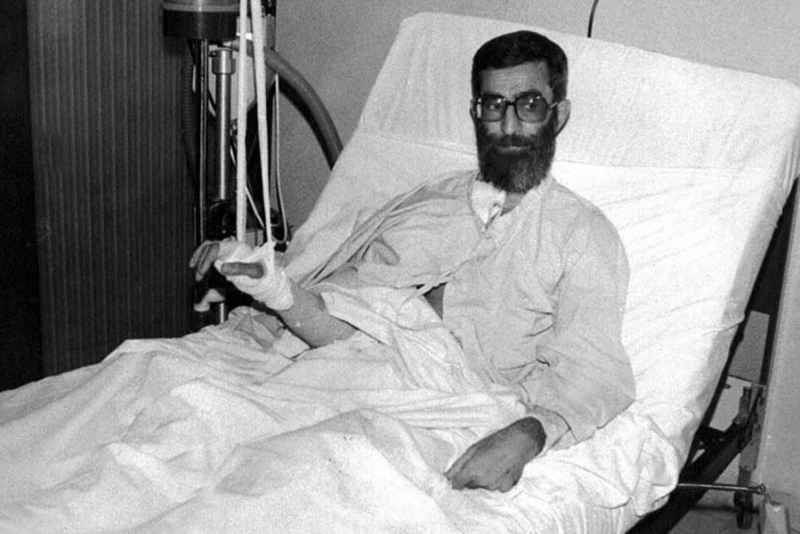
Унинг ўрнига президент бўлган сиёсатчи Муҳаммад Али Ражоий кўп ўтмай, 1982 йилда Теҳрондаги портлашда ҳалок бўлади. Шундан сўнг ҳикоямиз қаҳрамони Хоманаий 95 фоиз овоз билан Эрон президенти этиб сайланади. Сайловдан олдин эса унга суиқасд уюштирилиб, бир қўли қаттиқ шикастланган эди.

Ироқ қўшинларининг Эрон ҳудудига бостириб кириши билан бошланган 1980-1988 йиллардаги 8 йиллик Эрон-Ироқ уруши оқибатида икки мамлакатда қарийб бир миллион одам ҳалок бўлди. Бу давр Хоманаий ҳаётидаги муҳим босқичлардан бири эди. У эронликлар “Муқаддас мудофаа” деб атаган мазкур уруш давомида Олий Кенгаш раиси сифатида Эрон мудофаасини бошқарган. Кенгаш уруш вақтида мамлакатни тўлиқ сафарбар ҳолатида ушлаб туриш ва зарур эҳтиёжларни қондиришга масъул эди.
1981 йилдан бошлаб у Эрон Қуролли кучларининг элита бўлинмаси ҳисобланган Ислом инқилоби гвардиясига ҳам бошчилик қилади. У Руҳуллоҳ Хумайнийнинг урушдаги стратегиясини мақтаб, бу икки қўшни давлат ўртасидаги оддий можаро эмаслигини англаганини айтади:
“У уруш майдонида кўринмаётган асосий душманни англади ва Саддам шунчаки восита эканини тушунди”.
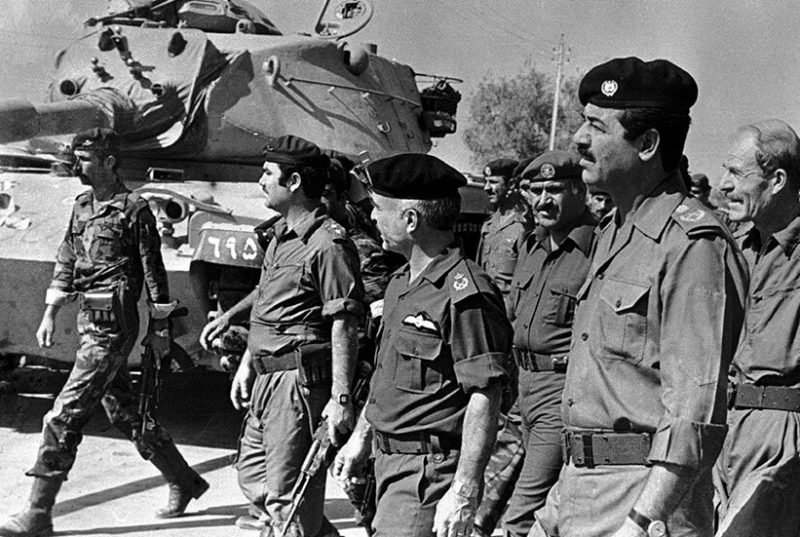
Хоманаий бу уруш ортида АҚШ тургани, Саддам Ҳусайн эса АҚШ томонидан қўллаб-қувватланишини айтади.
Эроннинг олий етакчилигига йўл
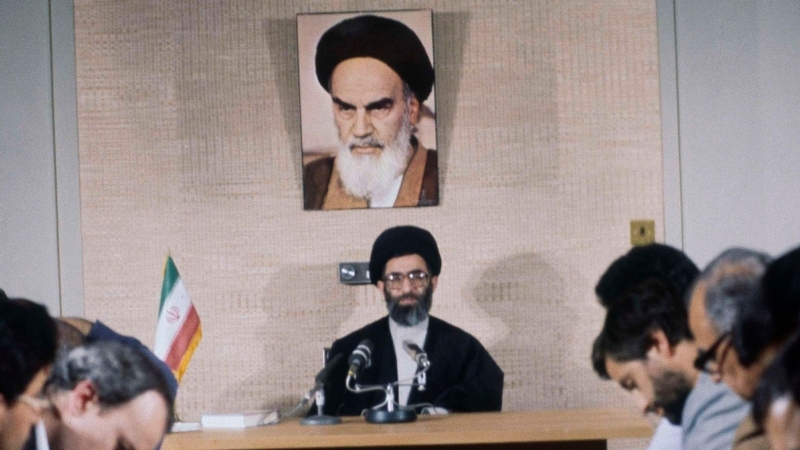 1989 йилда Руҳуллоҳ Хумайний вафотидан сўнг Али Хоманаий унинг вориси этиб сайланди. Унинг ҳокимият таянчи Ислом инқилоби қўриқчилари корпуси (ИИҚК) бўлиб, янги тузумнинг фаолият юраги ва ҳарбий, иқтисодий, ижтимоий куч ўлароқ хизмат қиларди.
1990 йилларда Хоманаий кучини мустаҳкамлаб, рақибларини йўқ қилди ва содиқларни мукофотлади. У ҳар доим устози Хумайнийдан мерос бўлган ўзгармас тамойилларни прагматик юритиш стратегиясига содиқ бўлди.
1997 йилда ислоҳотчи Муҳаммад Ҳотамий катта фарқ билан президентликка сайланганида Хоманаий унга муайян эркинлик берди, аммо тизимнинг идеологик асосини ҳар қандай хавфдан ҳимоя қилди.
Хоманаий 2001 йил 11 сентябрь воқеаларидан кейин АҚШ билан мулоқот қилишга уринаётган Ҳотамийга тўсқинлик қилмади. Хумайнийнинг изидан бориб, оммавий қирғин қуролидан воз кечди.
У ИИҚКнинг 2003 йилдаги Ироққа босқинидан кейин америкалик кучларни заифлаштириш ҳаракатларини қўллаб-қувватлади. Бу минтақада Эрон таъсирини кенгайтириш ва Исроилни тийиш стратегиясининг янги босқичи бўлди. Эрон инқилобчилари 1979 йилдан бери Исроилни “кичик шайтон”, АҚШни эса “катта шайтон” деб атайди.
Олий етакчи сифатида Оятуллоҳ Хоманаий барча ҳокимият тармоқларидан юқорида туради. У суд тизими, давлат ОАВ ва хавфсизлик хизматлари раҳбарларини тайинлайди, президентликка ким номзод бўлиши мумкинлигини белгилайди.
Хоманаий ташқи сиёсат ва ҳарбий стратегияни бошқаради, ИИҚК ва унинг хориждаги махсус кучларини бевосита назорат қилади. Унинг ваколати Эрон ядро дастурини ҳам қамраб олади, бу эса уни Исроил билан кескин низо марказига айлантиради.
Хоманаий хавфсизлиги
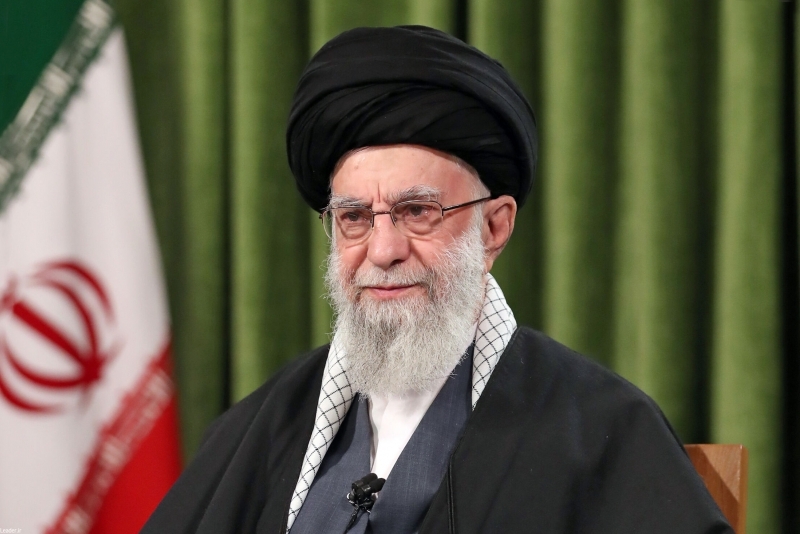
Шундай фаолият ва биографияга эга инсон мамлакат душманлари учун энг асосий нишон. Шунинг учун Хоманаийнинг хавфсизлиги доимо назорат остида, унинг жойлашуви эса камдан кам ҳолларда очиқланади. Таҳлилчилар фикрича, унинг шахсий хавфсизлиги тўғридан тўғри унинг идорасига бўйсунувчи ИИҚК махсус бўлими зиммасида.
Эрон-Исроил можароси кучайганидан бери ғарб ОАВларида Хоманаийнинг ҳарбийлар билан алоқада бўлиши учун махфий жойга кўчириб ўтказилгани ҳақида хабарлар пайдо бўлди. Аммо таъкидлаш керакки, Оятуллоҳ Хоманаийга уюштирилган бевосита ҳужум ҳозирги можарода фавқулодда эскалацияни англатади. Бу бутун Яқин Шарқда олдиндан айтиб бўлмайдиган ва узоқ муддатли оқибатларга олиб келиши мумкин. Балки шунинг учун Исроилдан ташқари ҳамма бу мавзуда жуда эҳтиёткорлик билан гапирмоқда. Лекин бу у хавфсиз дегани эмас. Хоманаий олий лавозимда турган экан, унинг ҳаётидан хавотирланишга ҳар доим сабаб мавжуд.
“The Telegraph” нашри хабарига кўра, Эрон олий етакчиси Оятуллоҳ Али Хоманаий ўз хавфсизлигини ҳатто ИИҚК ҳам билмайдиган махсус, юқори махфий бўлинмага ишониб топширган.
“Хоманаий Исроил разведкасини режим сафларига чуқур кириб олган деб ҳисоблайди. Шу сабабли бу бўлинма шунчалик махфий сақланганки, ҳаттоки ИИҚКнинг юқори мартабали вакиллари ҳам унинг мавжудлигидан бехабар бўлган”, дейилади хабарда.
Шунингдек, нашр манбаларидан бири Хоманаийнинг ҳаёти хавф остида эканини айтган.
“У ўлимдан яширинмайди, ер остидаги бункерда ўтиргани йўқ. Аммо ҳаёти хавф остида ва унинг хавфсизлиги учун жавобгар бўлган шундай бўлинма борки, ҳеч ким бу ҳақда билмаслиги керак”, деган манбалардан бири.
Хоманаий аввал Теҳроннинг 11 округида жойлашган “Етакчилик уйи” комплексида яшаб, ишлаган. Аммо яқинда эълон қилинган видеолар унинг яшаш жойини ўзгартирганидан дарак бермоқда. Энди у чиқишларида орқа фонда кўпинча инқилоб етакчиси Оятуллоҳ Руҳуллоҳ Хумайнийнинг портрети илинган жигарранг парда фонида кўринмоқда. Бу эса унинг аввалги брифингларидан сезиларли даражада фарқланади.
Видео таҳлилига кўра, бу чиқишлар ИИҚКнинг Теҳрон марказидаги медиа марказида суратга олинган бўлиб, бу эса Хоманаий яқин атрофда яшаётганини ёки ҳаттоки шу бинонинг остида яшаётган бўлиши мумкинлигини кўрсатади.
Урушдан олдинги маълумотларда 86 ёшли олий етакчи хотини ва фарзандлари билан Теҳрондаги оддий одамлар қатори одатий ҳаёт кечириши айтиб келинган. Таъкидлаш керакки, бошқа Яқин Шарқ лидерларидан фарқли ўлароқ камтаринроқ ҳаёт халқ норозилигининг оз қисмини бўлса-да йўқотишга ёрдам берди.

Live
Барчаси