Central Asia and Azerbaijan. Brotherhood now in business.
Business
−
15 November 2025 13371 5 minutes
On the eve of the next Council meeting of Central Asian leaders, the Uzbekistan Chamber of Commerce and Industry organized the international business forum “Great Silk Road Business Cooperation Forum – 2025” under the slogan “Cooperation Without Borders.” The event took place on November 13-14 at the Chimgan Resort in Bostanlik district, Tashkent region. The forum aimed to unite entrepreneurs from Central Asia and Azerbaijan on a common business platform, elevate regional economic integration to a new level, expand trade relations, and strengthen direct dialogue between business leaders.
Representatives from ministries, agencies, chambers of commerce, major companies, and nearly 300 private-sector participants from Uzbekistan, Kazakhstan, Kyrgyzstan, Tajikistan, Turkmenistan, and Azerbaijan attended the forum. The main plenary session, titled “Central Asia and Azerbaijan: Cooperation Without Borders,” focused on key business objectives such as joint production, establishing partnerships, and entering new markets.
Participants proposed practical measures to build a unified production chain in the region, create export-oriented products using local raw materials, and strengthen cooperation in logistics and energy sectors. Between 2017 and 2024, trade among the regional countries doubled to nearly 11 billion dollars. The goal is now to further increase bilateral trade to approximately 20 billion dollars. Deputy Prime Minister Jamshid Khojayev also addressed the forum, emphasizing that governments are open to cooperation with entrepreneurs and ready to provide support. The event was covered firsthand by QALAMPIR.UZ.
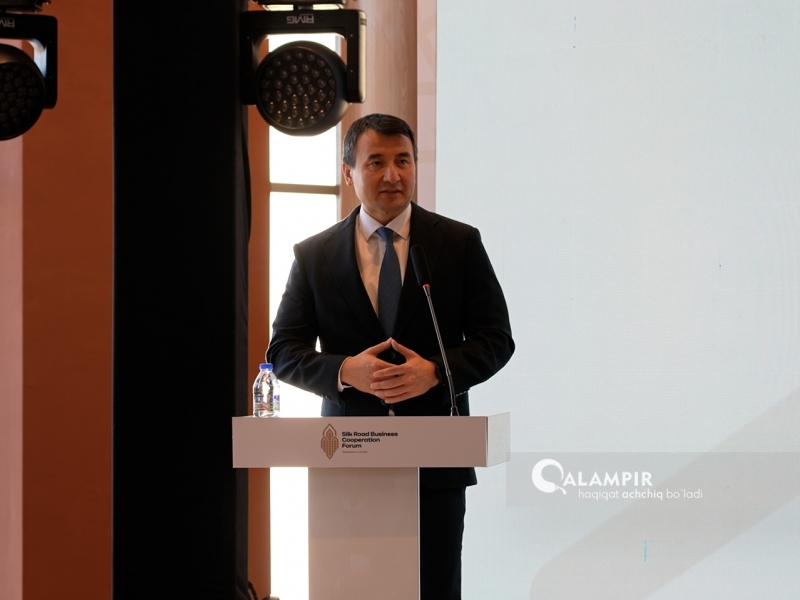
Davron Vahobov, Chairman of the Uzbekistan Chamber of Commerce and Industry, highlighted that this inaugural Central Asia–Azerbaijan business forum was organized as a result of President Shavkat Mirziyoyev’s consistent policy of engaging neighboring countries and ahead of the visit of Central Asian and Azerbaijani leaders to Tashkent.
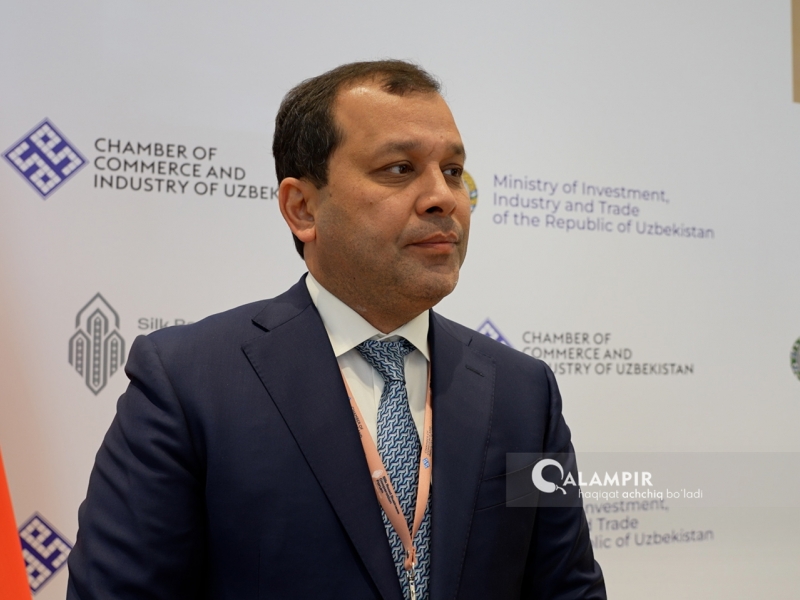
“About 150 of the top 100 business entities from these countries attended, along with nearly 100 entrepreneurs from our side. Our main goal is to enter third markets together with these countries, which have a combined population of over 120 million. We are no longer competitors but collaborators, bringing high-value products to other countries. Some countries have raw materials, others have finished products. For example, if Azerbaijan’s fruits and vegetables are combined with Uzbekistan’s, we can jointly enter European and American markets and fill the shelves there. The same applies to construction materials. Every country has imports from others. By cooperating on these imported products, we can make trade more cost-effective, efficient, and increase product turnover,” he said.
Aiday Tursunbekova, head of Kyrgyzstan’s Doolot Trading LLC, noted that the greatest strength of the region lies in its people. The development of Central Asian nations has been shaped by the influence of China, Russia, and the cultural heritage of the Turkic world. This makes the population adaptable to other cultures and capable of quickly adjusting to global changes, a major strength of the region’s people.
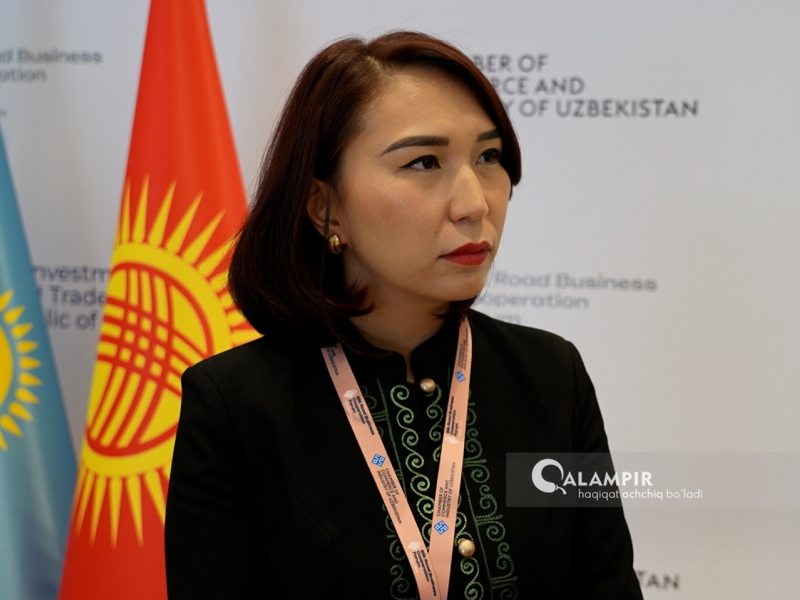
Sanavbar Ayubova, CEO of Tajikistan’s HRBP LEAN SOLUTIONS, expressed hope that the forum would create significant opportunities through trilateral agreements.
“This will provide opportunities not only for business organizations but also for governments and investors. Bringing six countries together in one forum, organized by the Uzbekistan Chamber of Commerce and Industry, benefits all of us greatly,” she said.
Kamoliddin Mansumov, founder of Azerbaijan’s Nabucco AC LLC, discussed his company’s area of expertise.
“Our company specializes in construction, specifically metal structures. We are the official representative of a Swedish company. We have a unique and highly developed system for metal structures that no other company possesses. This technology is significant, and we apply it to industrial buildings, sports complexes, and Olympic facilities in Uzbekistan. It allows us to construct modern and visually impressive buildings,” he said.
Samet Daumov, director of Kazakhstan’s Grata International, said the company operates in three sectors in Uzbekistan.
“We have already invested here. The first is the Open Lab clinical-diagnostic laboratory. The second is Grata law firm, one of the largest international legal firms, with an office in Tashkent. The third is our advertising company, operating as an advertising operator at Samarkand airport,” he said.

Muhammad Musaev, Chairman of the Union of Turkic States Chambers of Commerce and Industry, emphasized that major global powers such as Europe, America, China, and Russia are competing in the region. He noted the growing production and stock markets and stressed the need for a secure legal system for entrepreneurs and investors.
“We even discussed one of the most important issues—the establishment of arbitration courts. During our meeting in Istanbul, we also visited the arbitration center of the Organization of Islamic Cooperation. Investors must feel protected. If an investor is protected, no one can interfere with them,” he said.
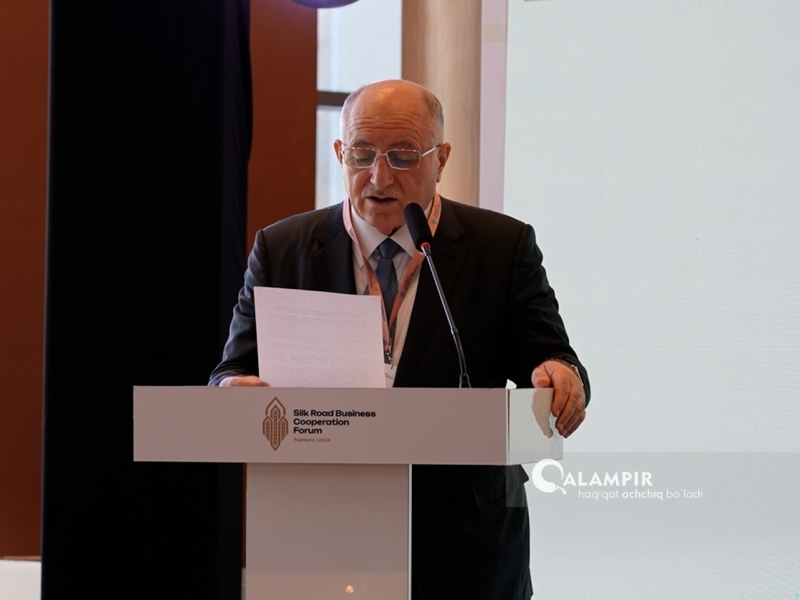
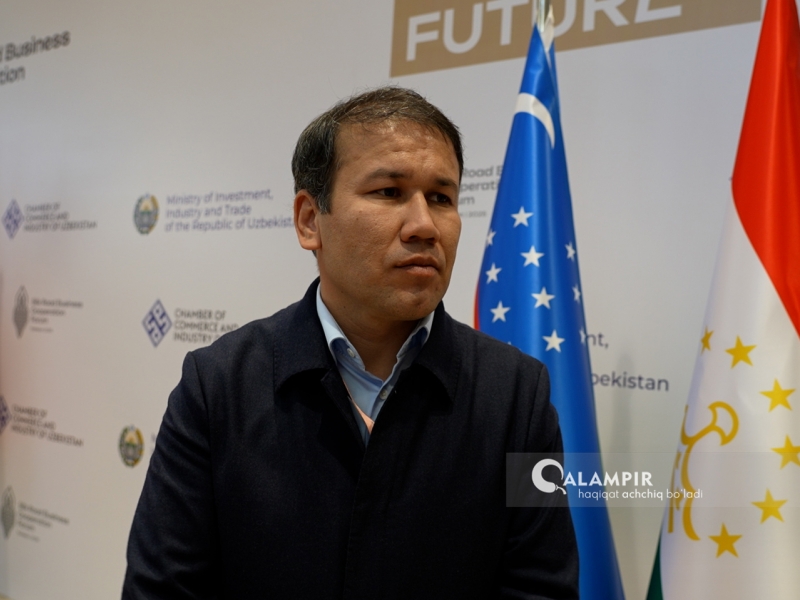
Khursid Turaev, founder of THT Group, highlighted Azerbaijan and Kazakhstan as leaders in construction. He said the forum provided an opportunity to exchange views with top management of leading companies in high-rise building construction.
“Currently, there are no obstacles to cooperation between Central Asia and Azerbaijan. There are only some issues, such as production in Kazakhstan meeting our demand, or vice versa. These should be resolved through mutual agreement, and there are no other barriers,” he said.
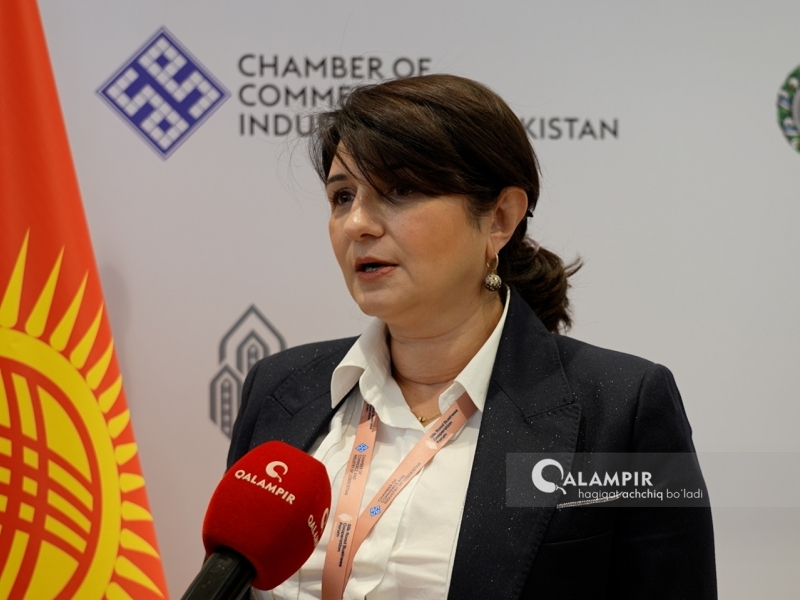
Nigora Hasanova, founder of Azerbaijan’s Techpro DC, stated that the forum’s main goal is to support business. She stressed the importance of aligning domestic legislation, logistics, and tax systems in participant countries to benefit businesses, particularly in the IT sector. According to Hasanova, these issues are actively discussed at the forum.
“A common intellectual platform is needed where each country can present results of initiatives implemented over the past years. This allows all countries to develop joint plans and strategies and implement them together,” she said.
The full report can be viewed via the video player above or on QALAMPIR.UZ’s YouTube channel.

Live
All