Hunger and satiety hormones: how can they be controlled?
Interesting
−
08 November 2025 3456 5 minutes

Hunger and fullness may seem like simple sensations — you feel hungry after several hours without food and full after eating enough. In reality, however, the process is far more complex. Inside your body, a network of hormones regulates hunger, satiety, and fat storage, all of which affect your body weight and overall health.
“The body’s energy regulation system is extremely complex. Simply put, it depends on the interaction between hormones in the gut and brain, particularly in the hypothalamus, which control hunger and satiety. These hormones work synergistically or in opposition to protect you from starvation. Their main function is to preserve fat stores and maintain body weight stability,” explains obesity specialist Dr. Caroline Apovian.
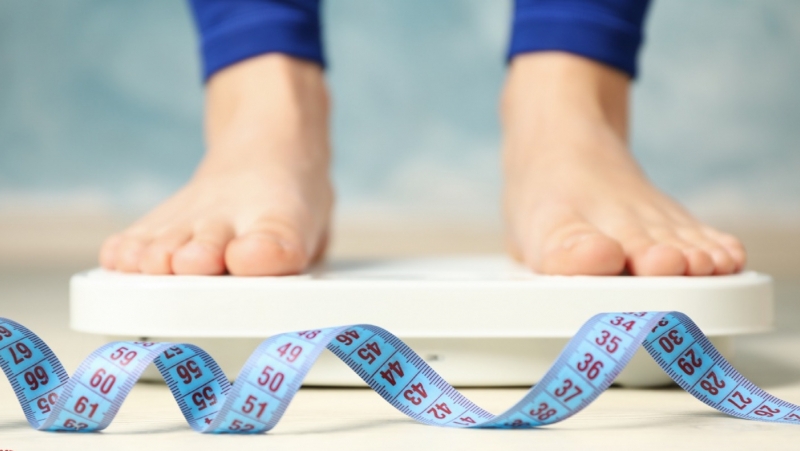
Indeed, the system that governs hunger and fullness has deep evolutionary roots. It influences metabolic rate, the body’s tendency to maintain a certain weight, and other factors crucial for survival.
Some of these hormones are influenced by genetics, while others are affected by lifestyle, certain diseases, body weight, or changes in body composition.
“In this context, some hormones regulate food intake in the short term — preventing overeating during a single meal — while others maintain long-term energy balance and storage in the body,” notes gastroenterologist Dr. Lawrence Cheskin.
Experts say these hormones work together like instruments in an orchestra. Below is a closer look at seven key “players” that regulate appetite.
Leptin. Biologists once thought fat tissue was inactive, but it is now recognized as an endocrine organ because it produces hormones such as leptin. Fat cells throughout the body release leptin, which signals satiety, helping to reduce appetite and food intake.
“The discovery of leptin in 1994 sparked a wave of research, as it finally revealed how fat tissue communicates with the brain,” says Apovian.

However, people with obesity often have high levels of leptin because they have more fat cells — or because their bodies are resistant to the hormone’s effects. When such individuals lose fat, their leptin levels decrease accordingly.
Ghrelin. Often called the “hunger hormone,” ghrelin is produced in the stomach. Its levels rise before eating and fall after meals.
“When calorie intake is restricted for weight loss, ghrelin levels increase, making it harder to lose weight because hunger becomes stronger,” explains endocrinologist Dr. Marcio Griebeler.

A 2017 study published in the journal "Obesity" found that people with higher ghrelin levels tend to crave fatty or sweet foods more often and gain weight more quickly.
Cholecystokinin (CCK). This “satiety hormone” is produced in the gut after eating and helps create a feeling of fullness. It also aids digestion by slowing the rate at which food leaves the stomach, enhancing satiety, and stimulating the pancreas to release enzymes that break down fats, proteins, and carbohydrates. In addition, CCK influences appetite centers in the brain, reducing hunger and subsequent food intake.

Insulin. When blood glucose (sugar) levels rise, the pancreas’s beta cells release insulin. According to Apovian, insulin also promotes satiety.
“When carbohydrates are consumed, insulin secretion increases, allowing glucose to enter cells and be used as energy,” says Griebeler.
He adds that insulin resistance — when the body doesn’t respond properly to insulin — can be linked to obesity, physical inactivity, or a diet high in refined carbohydrates.
Cortisol. Known as the “stress hormone,” cortisol performs many functions, including regulating metabolism. High levels of cortisol are associated with insulin resistance and increased fat storage.
“During chronic stress, elevated cortisol levels heighten appetite, especially for sweet, salty, or fatty foods, while also raising blood sugar and insulin levels,” notes obesity expert Dr. Francis Li.

A 2022 study published in "NeuroImage: Clinical" showed that increased cortisol levels boost feelings of hunger and reduce blood flow to brain regions responsible for appetite control.
Glucagon-like peptide-1 (GLP-1). Released from the gut after eating, GLP-1 interacts with receptors in the brain to produce a feeling of fullness.
“It also slows digestion and the movement of food through the gastrointestinal tract, helping you feel full longer and reducing overall intake,” Griebeler explains.

Glucose-dependent insulinotropic polypeptide (GIP). Produced by the small intestine after eating, this hormone triggers insulin secretion, promotes glycogen and fatty acid production, and inhibits fat breakdown. As a relatively new focus of research, much about GIP remains to be understood.
Healthy eating and hormone balance
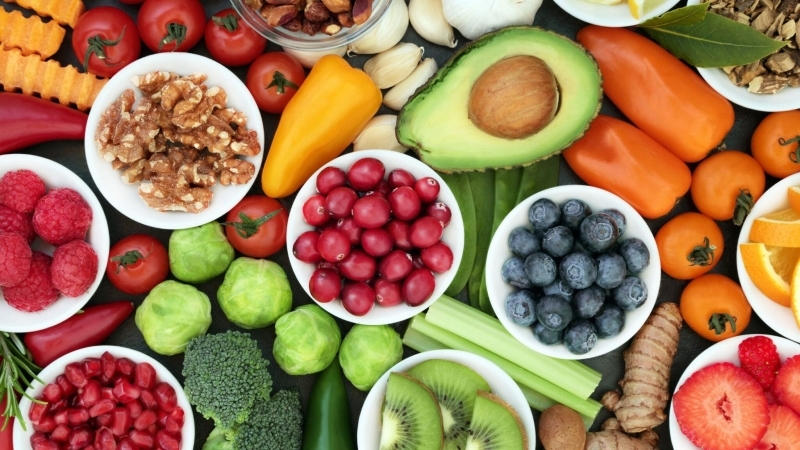
Many people wonder what healthy eating really means. The answer is simple: a diet rich in unprocessed foods, whole grains, fruits, vegetables, and lean proteins is the healthiest. It’s important to remember that not only the amount of food but also the frequency of meals and the type of foods consumed affect appetite-regulating hormones. Experts recommend eating small, balanced meals or snacks every three hours to help maintain hormonal stability.
Quality sleep is also crucial for regulating hunger hormones. Poor sleep increases cortisol and ghrelin (hunger hormones) levels while lowering leptin (the satiety hormone). According to research published in "Obesity", even one night of sleep deprivation reduces leptin more significantly in women than in men, while ghrelin levels rise notably in people with obesity.

Studies also show that stress has a major impact on body weight and health. Short-term stress typically reduces appetite, while chronic stress increases cortisol, leading to greater consumption of high-calorie foods.
“The best ways to reduce stress and lower cortisol levels are through regular deep-breathing exercises or physical activity,” says Li.
A 2022 study found that just 12 minutes of proper breathing exercises significantly reduced cortisol levels in saliva.

Live
All