Animals that break all the rules: Fun facts you will never forget
Interesting
−
18 May 2025 23716 7 minutes
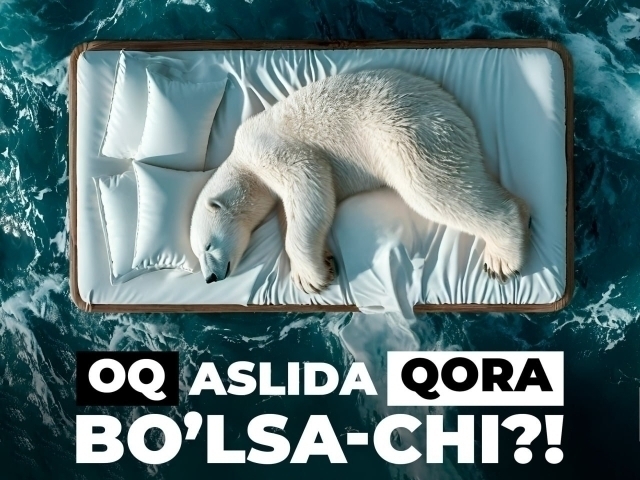
With over 8 million animal species in the world, there are still plenty of strange features and interesting facts that have not yet been discovered. Each species, from the smallest insects to the largest mammals, has its own secrets and unusual features, and in today's article we will get acquainted with many interesting facts about them.
Polar bear skin is black, but the fur is colorless
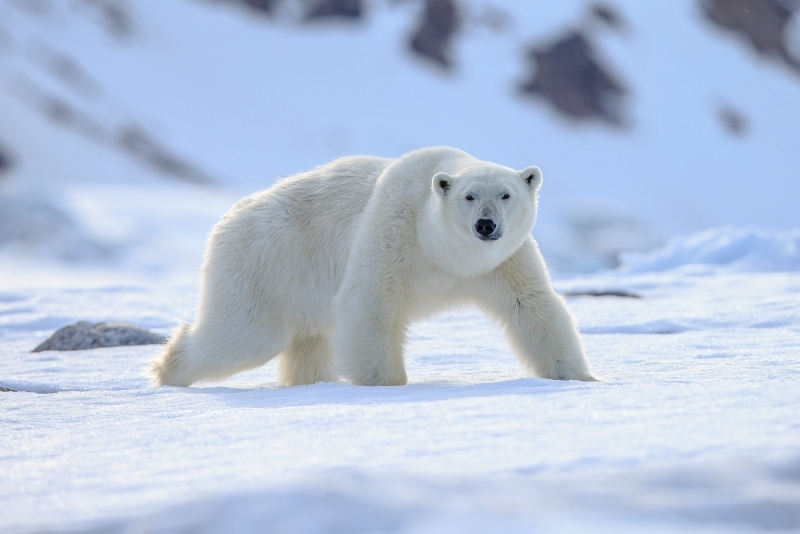
It is hard to believe, but despite their snow-white appearance, polar bears' skin is actually black. Their fur, which looks like it is white, is actually transparent and lacks any pigment.
The reason why bears appear white is because their fur reflects light. Human hair gets its color due to pigments, while polar bear fur only appears white as a result of the interaction of light.
Some whales and elephants also go through menopause
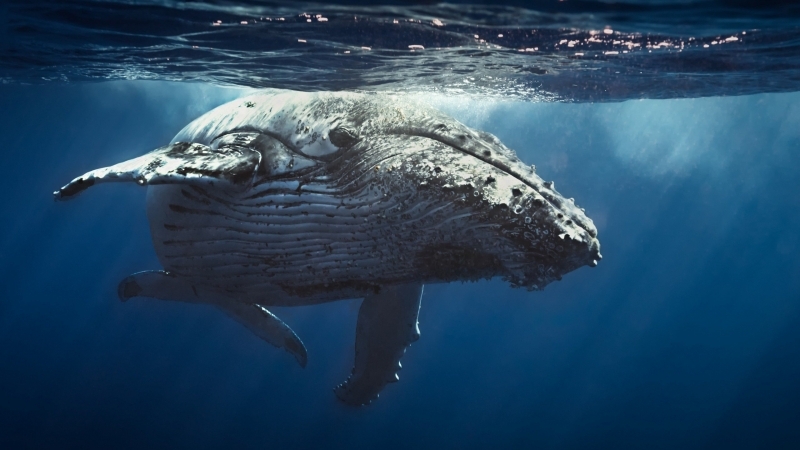
Of the approximately 5,000 mammals on Earth, only a few go through menopause. These include humans, some whales, and some elephants. Menopause is the gradual loss of the ability to reproduce at a certain stage of life.
Giraffes sleep for only half an hour a day
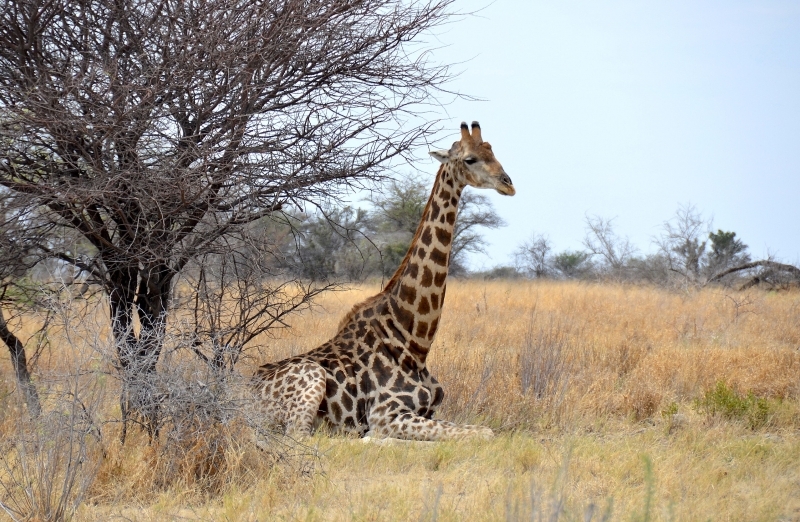
The world's tallest living creature, the giraffe, is also one of the animals that sleep the least. According to research, they sleep for only 30 minutes a day.
Living in dangerous areas full of predators such as lions and leopards, a full night's sleep is almost impossible for giraffes. Nevertheless, sleep is a physiological necessity, and giraffes have adapted to such a life.
There are one million ants for every person
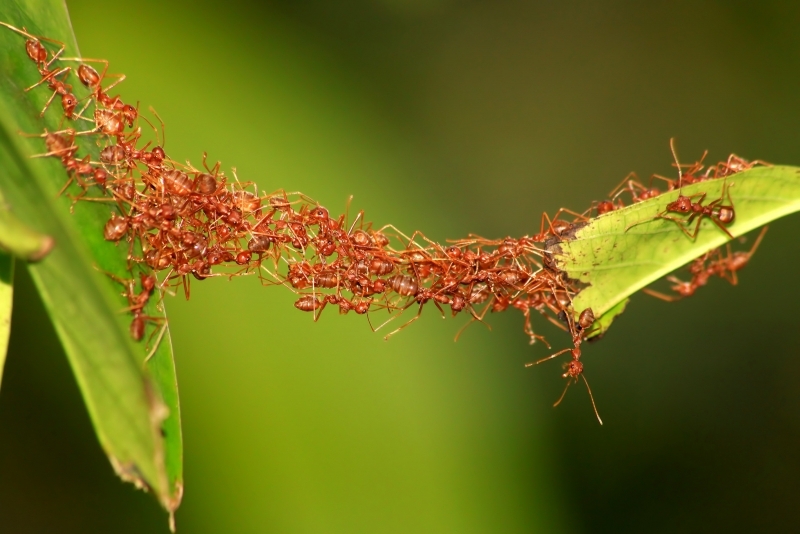
There are more than 12,000 species of ants around the world, and they occupy almost every place except Antarctica. Surprisingly, there are an average of one million ants for every person!
Even more surprisingly, the total weight of the entire ant population is equal to the weight of the entire human race.
Slugs can sleep for several years
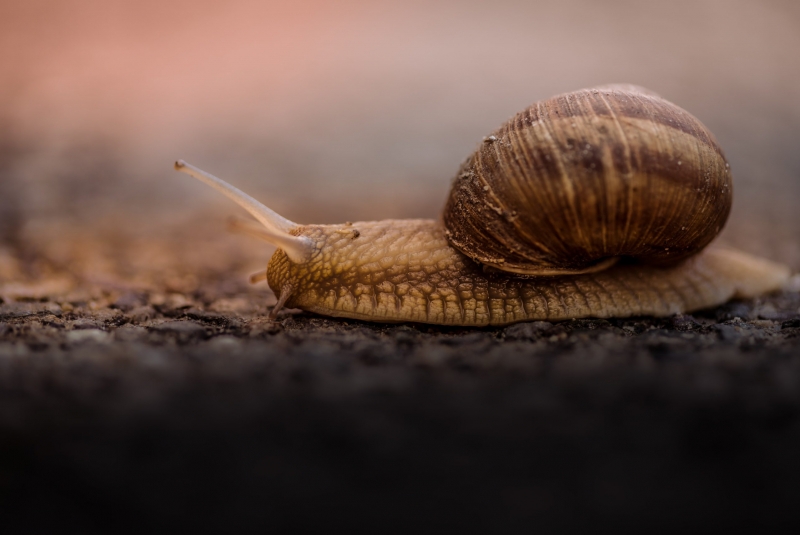
Slow-moving slugs can actually sleep for surprisingly long periods of time. You may not believe it, but an Egyptian desert slug that was once thought to be dead was brought to the British Museum. Five years later, the creature woke up and started moving. It has been discovered that they hibernate for long periods of time to conserve energy and moisture in cold and harsh climates.
Some animal species have no brain
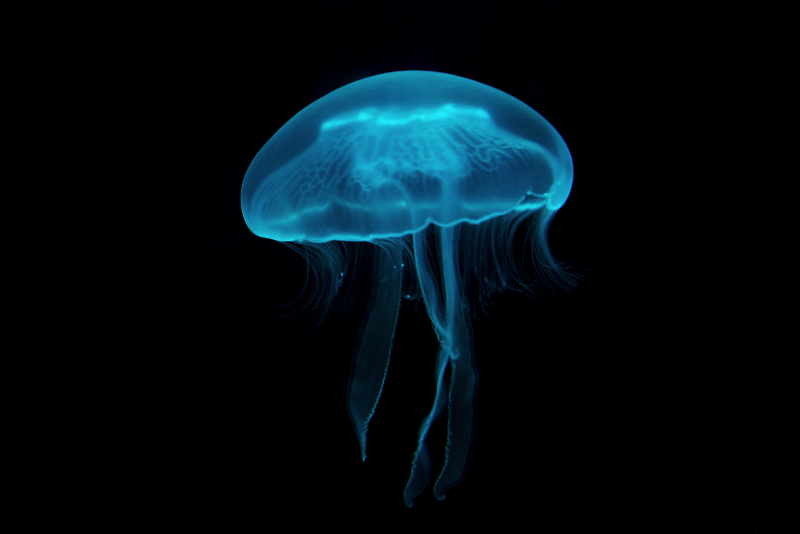
Surprisingly, some animals can live without a brain! They have a decentralized nervous system, which allows them to respond to environmental stimuli without the involvement of a brain. Such animals include jellyfish.
Armadillos are bulletproof
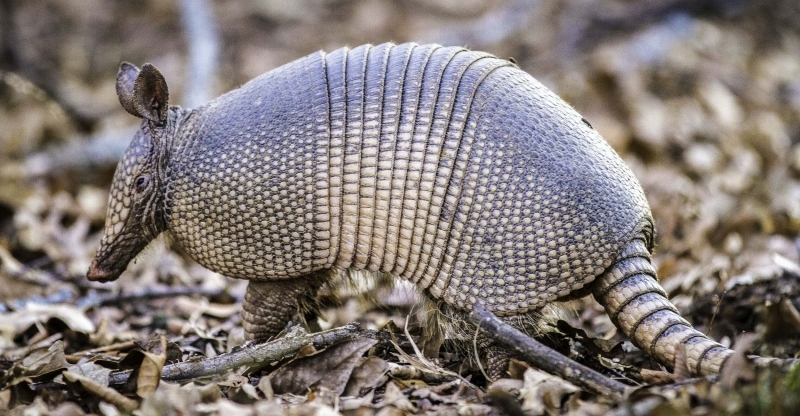
The armadillo's hard body is made up of bony plates called "osteoderms." These plates are covered in keratin and can deflect bullets to some extent. This protects them from natural hazards. Animals like crocodiles and rhinoceroses also have very thick skin, making them bulletproof.
Cows produce more milk when they listen to music
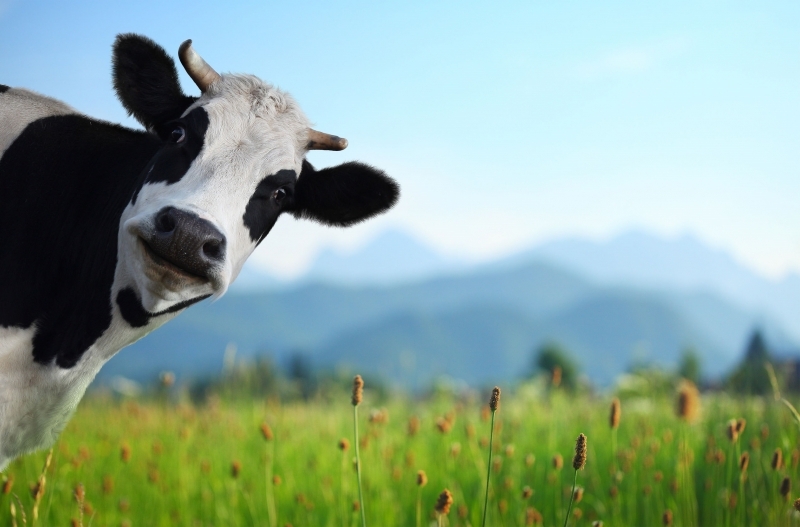
Studies have shown that soft, slow music reduces stress in cows, which increases milk production by several percent. On the contrary, loud, fast music annoys cows and reduces their milk production. You can try this on your own cow.
Female spiders who do not want to mate play dead
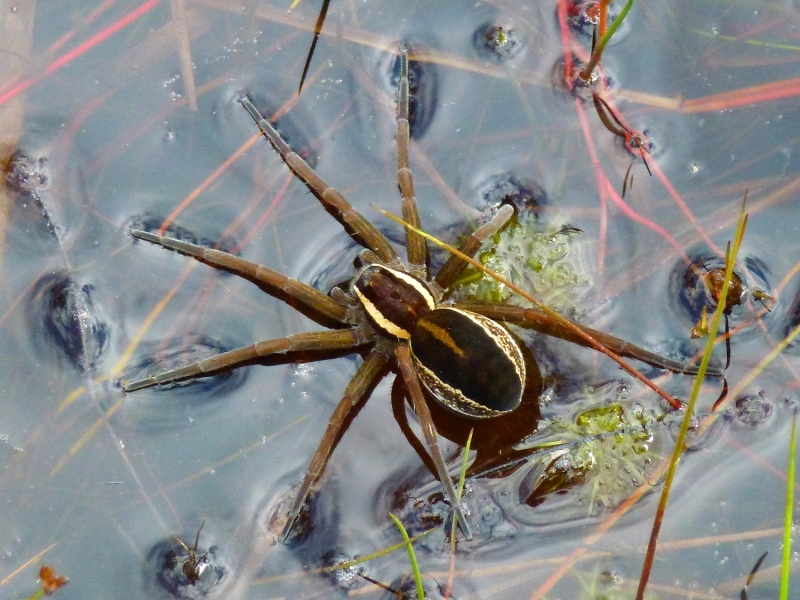
When a female moorland hawker spider does not want to mate, she falls to the ground and lies motionless, pretending to be dead. This way, she avoids being disturbed by male spiders.
Butterflies taste with their feet
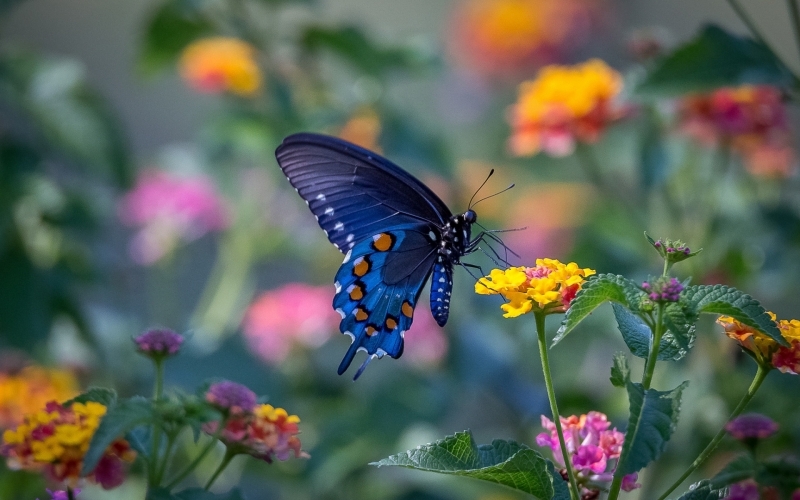
Butterflies have chemoreceptors on their feet that allow them to “taste” a plant with their feet. This helps them determine the most suitable leaf to lay their eggs on.
Dolphins call each other by name
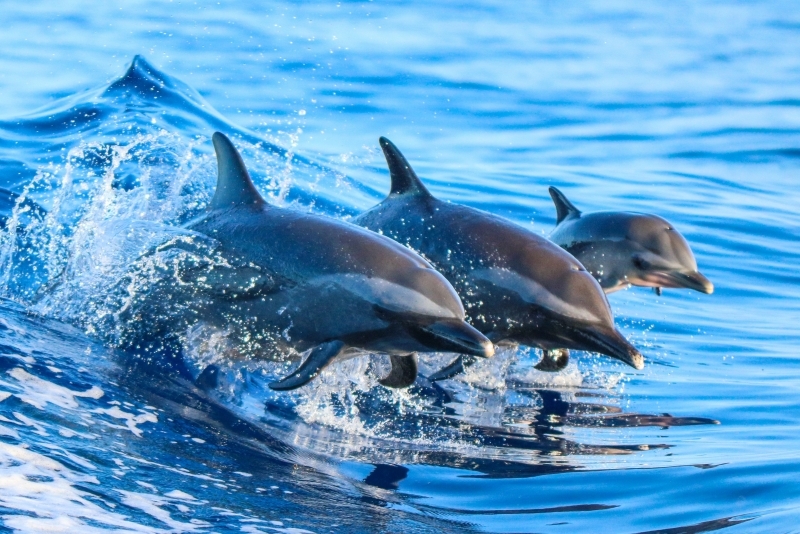
Dolphins are social animals, and they use a unique “whistle” to call each other. This serves as a name. The animals call or recognize their friends with it.
Dolphins get high with the help of pufferfish
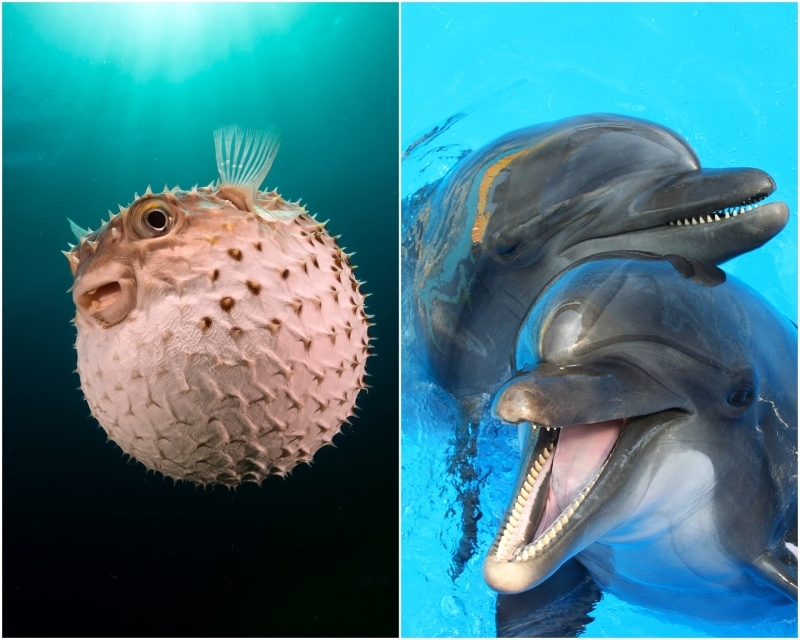
Some dolphins carefully touch a poisonous pufferfish, causing it to secrete a small amount of poison. This poison has a narcotic and hallucinogenic (imaginary) effect on dolphins.
Pufferfish secrete poison to protect themselves. When consumed in large quantities, this poison can be fatal, but dolphins use the necessary amount just to get a thrill.
Mosquitoes are the deadliest creatures in the world
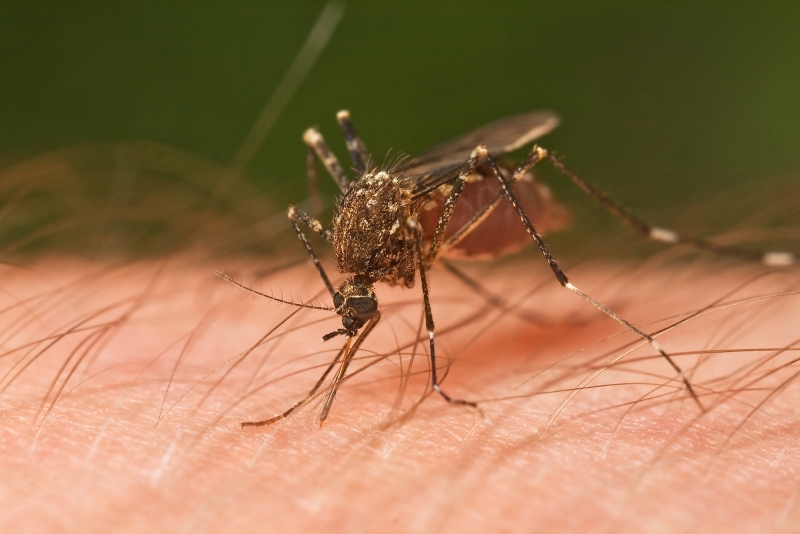
When most people think of the most dangerous animal, they may imagine a shark or a bear, but in fact, the most dangerous creature to humans is a mosquito. According to the World Health Organization, more than 725,000 people die each year from malaria, dengue fever, and other diseases transmitted by mosquitoes.
The fastest living creature on Earth is the cheetah

Cheetahs can run at speeds of up to 112 km/h. They can accelerate from 0 to 96 km/h in just a few seconds. This agility gives cheetahs an incomparable advantage in hunting.
Baby elephants suck their trunks to calm down
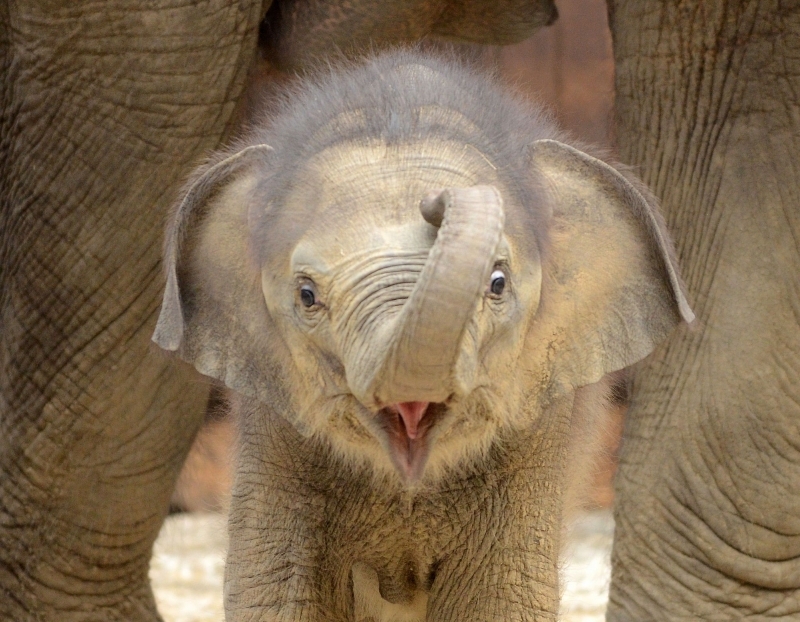
Just as a human baby sucks their thumb, baby elephants suck their trunks as a sign of calm or asking for food. This behavior is usually more common in young elephants, but it can also occur in adults who are anxious.
Male seahorses go through a gestation period and give birth
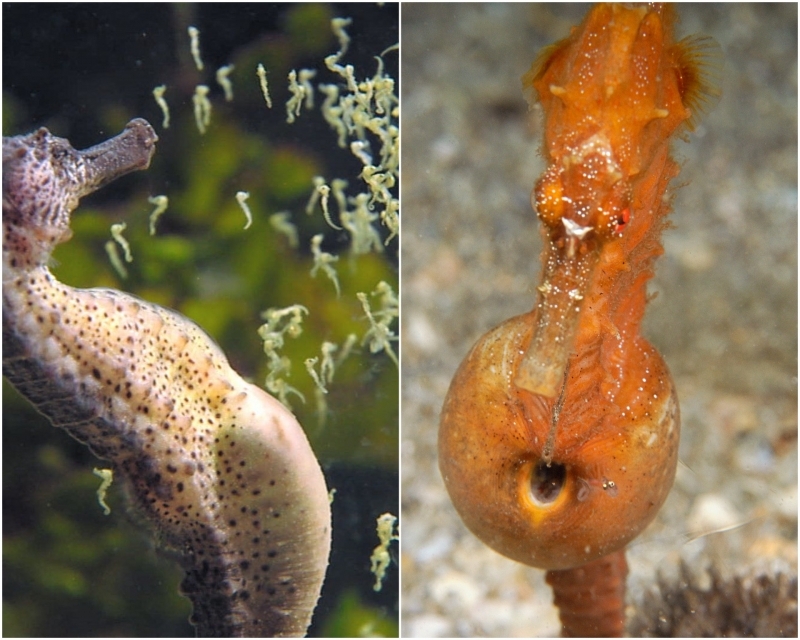
There is a unique phenomenon among seahorses - it is the males who become pregnant. The female seahorse lays her eggs in a special pouch on the male. Here, the eggs are provided with oxygen, protection, and food. In 14–28 days, the male seahorse gives birth to up to two thousand babies. This is a phenomenon that is found only in seahorses in the entire animal kingdom. This is a vivid example of how amazing and unusual nature is.
An ostrich kick can kill a lion
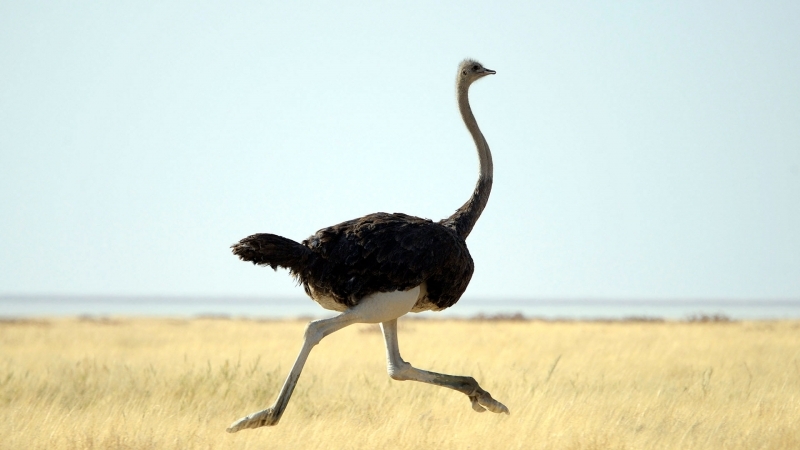
The legs of an ostrich are incredibly strong: they can even kill large predators like a lion. Long and strong legs and sharp claws increase the force of the blow. They use these blows only to defend themselves. That is why many animals are afraid of them.
Frogs do not die even if they freeze
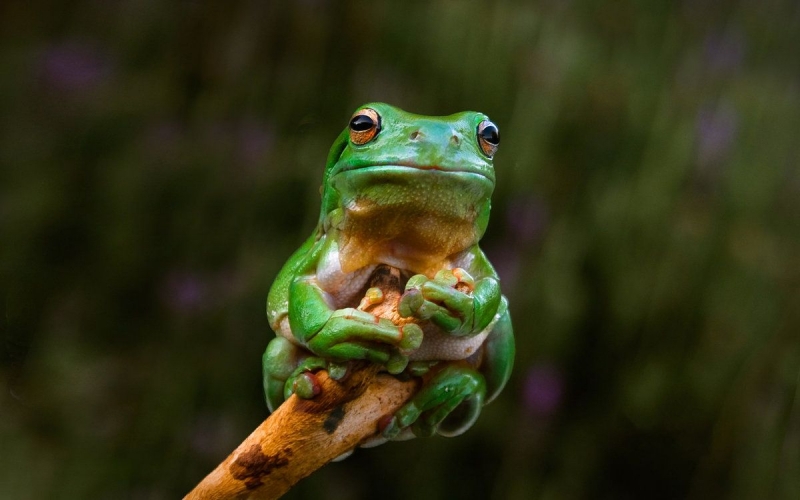
Some frogs can freeze their bodies and completely stop their vital activity. Their bodies produce glucose, which acts as a natural antifreeze to protect their cells. When the air warms up, they thaw and return to normal activity. This allows frogs to survive in severe frosts.
Sex-changing lizards
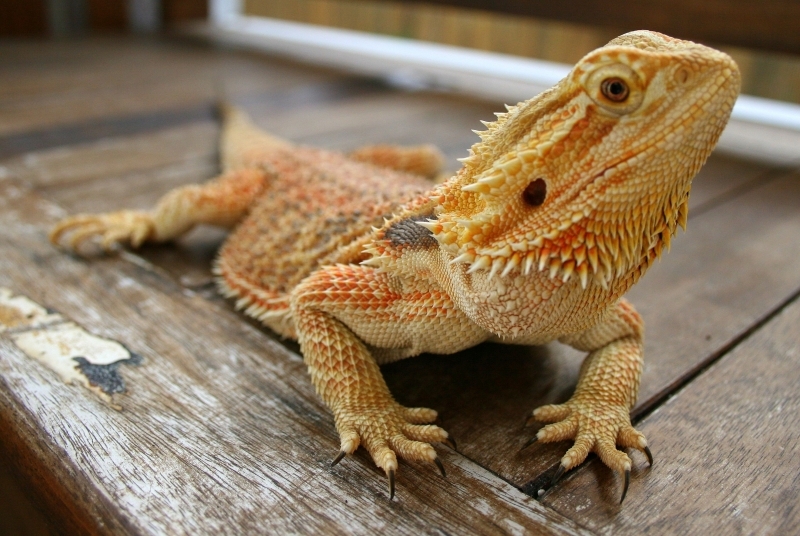
Some male bearded dragons change sex to female during incubation in a high-temperature environment (above 36°C). That is, although they are considered genetic males, they become biological females. Interestingly, such sex-changed females lay twice as many eggs as natural females.
Elephants mourn
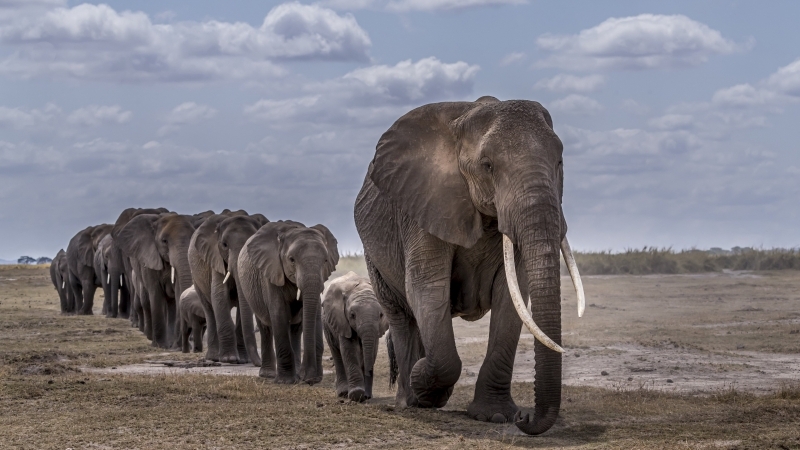
Elephants are one of the few animals that express sympathy and grief. When they see a dead friend, they return to the same place, stand in silence, touch gently and make sounds. This unique funeral ritual shows how deep the spiritual world of elephants is. Such cases are very rare in the animal kingdom.
Male penguin flatters his female with a stone
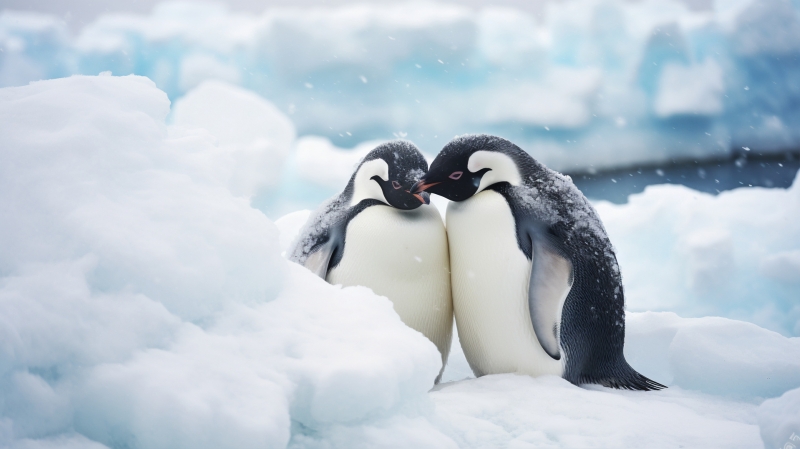
A male penguin often proposes marriage to a female he has caught his eye on with a stone. This is more of a practical proposition than a romantic one.
Penguins use rocks to build their nests, and the better quality the male chooses, the better the “husband.” If the female accepts the rock, they pair up and begin building a nest.
A dog’s nose print is as unique as a human fingerprint

A dog’s nose print is as unique as a human fingerprint. Each dog’s nose has a unique pattern that is used not only to identify them, but also to track them down. These patterns remain the same over time, therefore, it remains a reliable method for identifying dogs.
Panda pretends to be pregnant to get better care
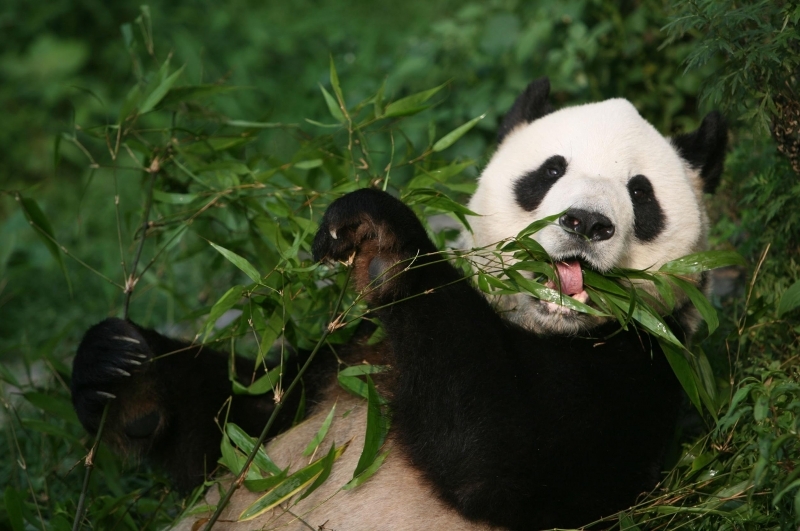
Some pandas in zoos pretend to be pregnant to get special care. They imitate the movements and signs of pregnancy, and receive more food, air conditioning, and 24/7 care. But when they are examined after a certain period of time, all is revealed.

Live
AllSzinpin Tramp bilan telefon orqali suhbatlashdi.
04 February
Erdo'g'an endi xotinini olib Misrga bordi
04 February