Launch of the “90-Day Changes in Medicine” program announced
Wellness
−
07 May 2025 8680 2 minutes
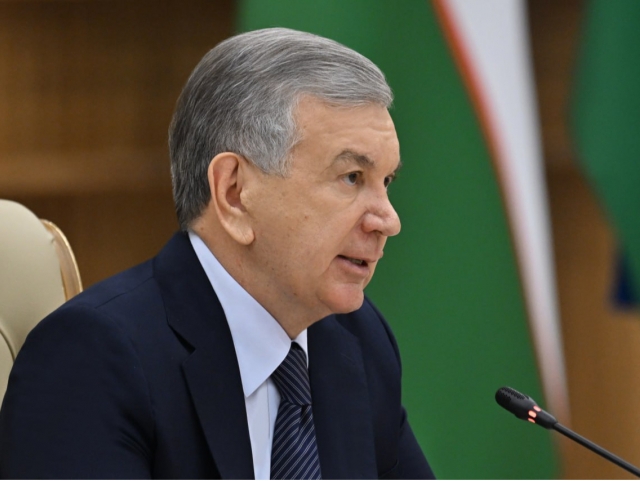
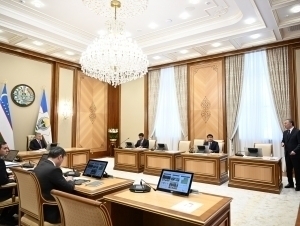
On May 7, during a videoconference meeting chaired by President Shavkat Mirziyoyev to discuss the priority tasks of the next stage of healthcare reforms, the launch of the “90-Day Changes in Medicine” program was announced in Uzbekistan.
As part of the program, regional governors will be tasked with improving conditions in medical institutions. This includes increasing the number of comfortable seats in waiting areas, organizing queue systems, establishing “mother-child” rooms, ensuring accessible entrances and exits for people with disabilities, creating inclusive environments in rooms and corridors, and providing clean toilets equipped with hot water for handwashing.
“Simply put, they will bring culture, order, and grace to medical institutions and instill a positive mood in people,” the President stated.
Each regional governor will allocate 10 billion sums for these improvements.
Authorities have been instructed to carry out these tasks systematically across the country and to submit a detailed report to the President on the outcomes after ninety days.
It was noted that 35 to 40 percent of infectious diseases occur due to failure to follow basic hygiene rules. In this context, the “Clean Hands” program will be implemented in all schools, kindergartens, technical schools, universities, polyclinics, and hospitals. Under this initiative:
- Handwashing facilities in educational and medical institutions will be fully supplied with sanitary and hygienic products;
- In 126 schools facing difficult conditions, indoor toilets will be constructed or renovated;
- More than 6,000 kindergartens will be equipped with solar collectors;
- Water tanks and cisterns will be installed in 4,295 social institutions.
A total of 780 billion sums will be allocated from the state budget this year to fund these efforts.
The program aims to ensure that all social institutions maintain cleanliness, order, and provide comfortable sanitary and hygienic conditions.
The importance of the “Clean Hands” program and the need for a large-scale public awareness campaign on personal hygiene were also emphasized.

Live
AllDehqonobod tumaniga sel keldi
23 April