Genetic mutations found in 86 percent of children in Uzbekistan
Wellness
−
24 October 2025 10878 3 minutes
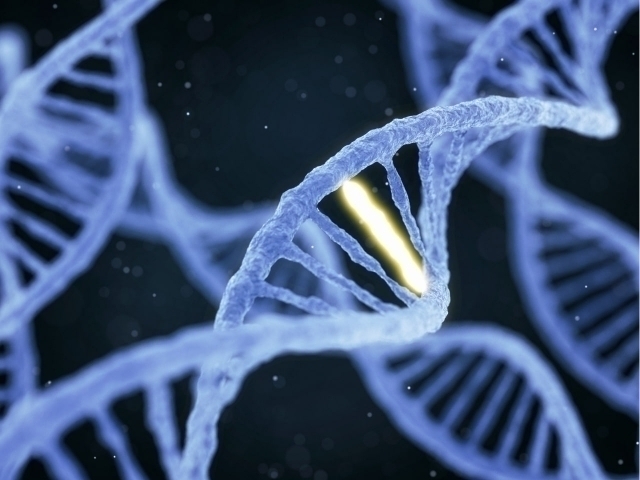
For the first time, large-scale genetic research conducted in Uzbekistan has revealed that nearly half of the country’s children have hereditary mutations. Experts link this to the high rate of consanguineous (close-relative) marriages in certain regions, according to the Ministry of Higher Education, Science and Innovation.
The study identified dozens of previously unknown genetic variations among Uzbeks, which have now been added to international databases — strengthening Uzbekistan’s position in the global field of genomics.
Findings show that every second child involved in the study carries a genetic mutation, meaning that predispositions to various diseases are being inherited. Alarmingly, 86 percent of children were found to carry at least one “damaged” gene — a rate twice as high as the international average. Scientists attribute this to the high rate of consanguineous marriages, which in some provinces account for nearly one in four unions.
Experts warn that such genetic patterns could seriously affect not only hereditary diseases but also the overall health of future generations. Genetic mutations are known to increase the risk of common illnesses such as diabetes, cardiovascular diseases, and cancer. Consequently, these conditions may become more prevalent and emerge at younger ages in the population.
Researchers emphasize the need for pre-marital genetic testing of couples and early screening and prevention programs for children. Such measures would allow for the early detection and proper treatment of genetic disorders.
The study also yielded other important findings. More than half of the examined patients received a precise genetic diagnosis, enabling doctors to select appropriate treatment strategies. Nearly one-third of the identified mutations were previously unknown to global science and have now been registered in international genetic databases. Additionally, some children were found to exhibit signs of multiple hereditary disorders simultaneously, reaffirming the high prevalence of consanguineous marriages in the country.
“For the first time, we have seen the real genetic landscape of our nation. If most children carry hidden hereditary mutations, this process cannot be stopped without an effective system of prevention and genetic counseling. Therefore, implementing pre-marital genetic screening programs is of great importance,” said Professor Shahlo Turdiqulova, Director of the Advanced Technologies Center and head of the “Uzbekistan’s 1000 Genomes” project.
The “Uzbekistan’s 1000 Genomes” project aims to create a national genetic map and establish a biobank. The collected data will serve as a foundation for developing personalized medicine, new drugs, and targeted screening programs in the future.
Earlier, Minister of Health Asilbek Khudoyorov reported that between January and September 2025, 155 girls aged 15–17 were married early in Uzbekistan.
Mohichehra Qadamova

Live
All