Cash is being phased out at fuel stations in Uzbekistan: convenience or a new problem?
Interviews
−
04 April 8435 3 minutes
One of the most widely discussed topics in Uzbekistan’s economy and social life today is the transition at fuel stations to cashless payments, with transactions now required to be made exclusively in electronic form. This system, which came into force on April 1, 2026, has already led to long queues at stations, additional commission fees, and a number of misunderstandings.
Citizens who transfer cash into fuel cards are being forced to pay commissions of up to 3 percent. For example, to purchase fuel worth 100,000 soums, a driver may need to spend an additional 3,000–4,000 soums from their own pocket. Limited digital literacy among the population, along with the transitional phase for operators adapting to the new system, has also contributed to long queues at many stations.
Some citizens report that due to existing credit obligations, any money deposited into their bank cards is automatically deducted by banks to repay outstanding loans. As a result, drivers are sometimes left unable to purchase fuel and find themselves in difficult situations.
Professor Tolqin Boboqulov of the Banking and Finance Academy has criticized the situation from a legal perspective. According to the expert, administrative restrictions on cash payments contradict several legal principles.
First, the principle of equal value: under the law, one soum in cash and one soum in non-cash form must have equal value. However, a 3 percent commission undermines this equality and effectively reduces the value of cash.
Second, legal hierarchy: laws governing the monetary system and the Central Bank define the soum as the sole and unrestricted means of payment. According to the professor, a subordinate legal act cannot contradict the requirements of higher-level laws.
Third, consumer rights: restricting the form of payment in service provision constitutes a serious violation of consumer rights.
According to Professor Boboqulov, developed countries, such as those in Europe, do not impose administrative bans on cash. Instead, conditions are created in which businesses themselves are less interested in handling cash, for example due to the costs of cash collection. In Uzbekistan, however, a coercive approach has been chosen instead of incentives.
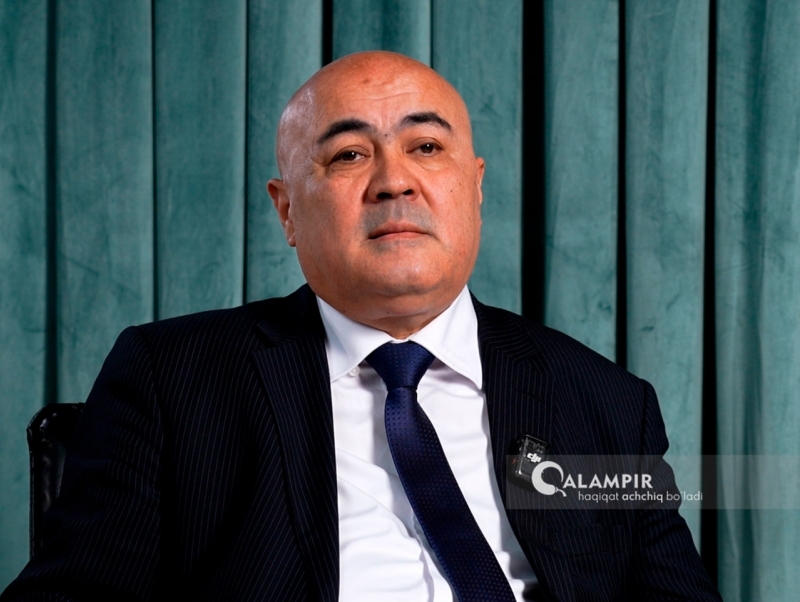
“People themselves should lose interest in using cash. For that, tax incentives or discounts should have been introduced,” the expert said.
At present, the situation has not yet caused major inconvenience for drivers. However, motorists warn that during the winter months, when energy constraints and cold weather conditions intensify, these digital barriers at fuel stations may lead to increased dissatisfaction.
The full report can be viewed in the video player above or on QALAMPIR.UZ’s official YouTube channel.

Live
All