Price of carelessness: Water left in the sun can cause cancer
Wellness
−
03 July 2025 7783 5 minutes

Storing food products in conditions that do not meet sanitary and hygienic requirements poses a significant threat to human health. This danger is heightened during the summer months, when high temperatures and humidity create ideal conditions for the reproduction of pathogenic microorganisms. Unfortunately, seemingly minor oversights in daily life—such as leaving ready-to-eat foods in the open air for extended periods or repeatedly refrigerating them—can become the starting point for various diseases. The fact that cancer is among them underscores how serious the situation can be.
Improperly stored products can become poisonous

Experts warn that improper storage of food can lead to bacterial, viral, or toxic foodborne infections. The most common of these include salmonellosis, campylobacteriosis, listeriosis, botulism, and staphylococcal toxicosis. Each of these is linked to specific types of food and can develop quickly when sanitary guidelines are not followed. For instance, salmonellosis is typically transmitted through eggs, meat, or dairy products; listeria is found in raw cheese and processed meats; botulism is associated with improperly preserved home-canned foods; campylobacteriosis can be contracted from poultry or raw milk; and staphylococcal toxicosis may result from consuming baked goods and salads that were not stored correctly.
In summer, perishable foods such as meat, fish, dairy, egg-based dishes, salads, and juices are especially sensitive to temperature. If stored improperly, harmful microorganisms can multiply rapidly. What’s worse, in many cases, spoiled food may not show obvious signs of contamination, yet consuming it can cause serious harm.
Plastic bottles left in the sun are especially dangerous
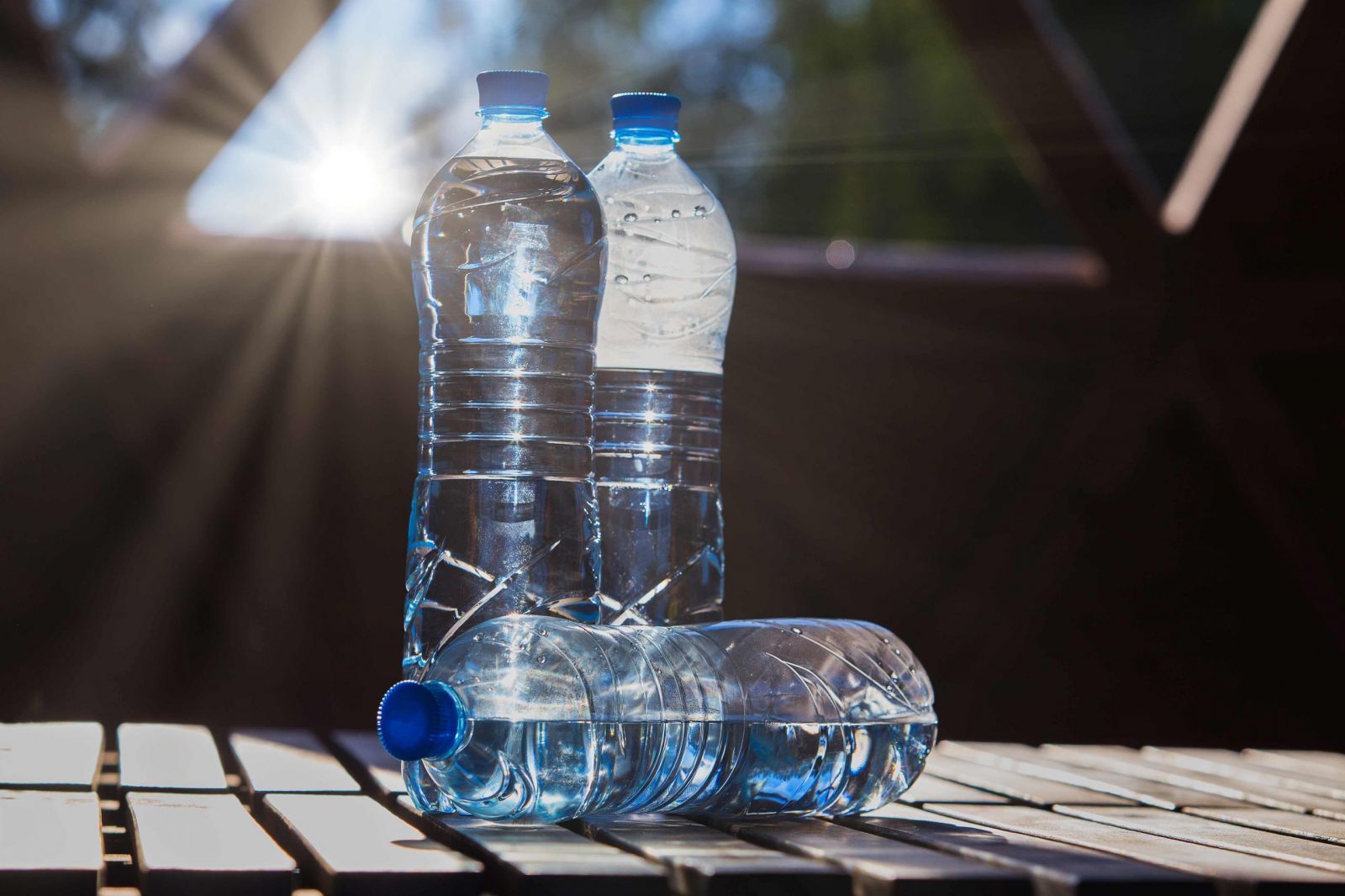
A widespread and growing problem today is the improper storage of soft drinks in plastic containers. Azizbek Kholmatov, a leading specialist at the Institute of Health and Strategic Development, told QALAMPIR.UZ that many plastic-packaged beverages must be stored at a humidity level below 75 percent and at a temperature between 2°C and 18°C, protected from sunlight. This is because exposure to sunlight can trigger the release of bisphenol A, formaldehyde, phthalates, and other toxic substances from the plastic.
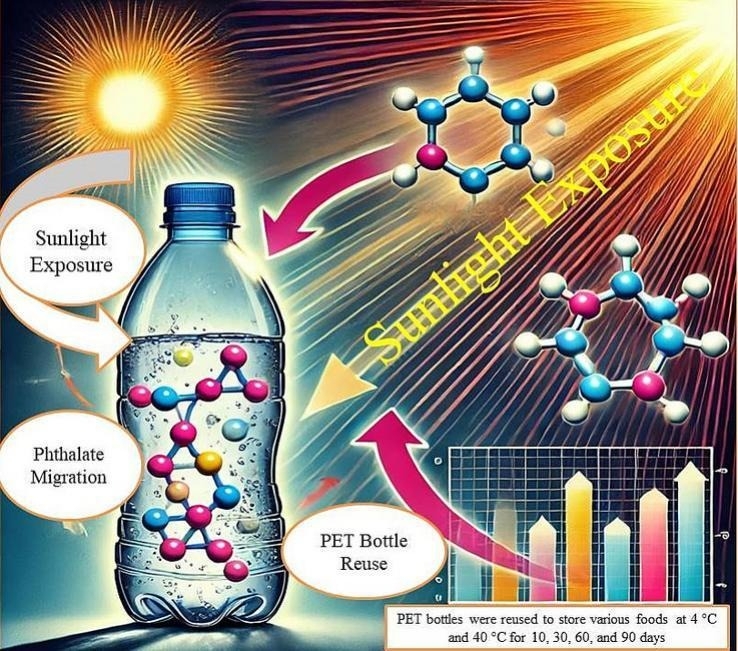
These substances can harm the nervous, digestive, circulatory, endocrine, and reproductive systems—and most alarmingly, they can accumulate in the body over time.
“In addition, such substances accumulate in the brain and reproductive organs, disrupting protein and fat metabolism, which is essential for the body. This condition can even lead to the development of cancer,” says Azizbek Kholmatov.
Sodas and colored drinks in plastic containers are especially hazardous, as they often contain artificial dyes, preservatives, and flavorings. When exposed to sunlight, these ingredients undergo chemical changes that can trigger allergic reactions, liver and kidney disorders, and attention deficit issues in children.
A study conducted by researchers at Jinan University in China examined the volatile organic compounds (VOCs) released from six different types of plastic water bottles left in the sun. The results showed that all the bottles emitted a complex mix of VOCs—including alkanes, alkenes, alcohols, aldehydes, and acids—and that the quantity and composition of these emissions varied between container types.
The presence of known carcinogenic compounds among these emissions highlights serious health risks. The longer plastic containers are exposed to sunlight, the more VOCs they release, significantly increasing the risk to human health over time.
Lead researcher Dr. Huaz Ou stated:
“Our study clearly shows that plastic containers release toxic compounds that are harmful to health when exposed to sunlight.”

What makes the situation even more alarming is that drinks left in the sun for hours—or even days—are often simply re-cooled in refrigerators and sold again. This gives consumers a false sense of safety. However, cooling such beverages does not reverse the chemical changes that have occurred. Street vendors without proper storage facilities often leave their products outside in the heat and then chill them later, assuming this makes them safe for sale. Consumers, in turn, often overlook this risk and unknowingly consume potentially dangerous products.
“Drinks that have been in the sun for hours and then re-cooled still contain harmful substances. The buyer may not realize the product was previously exposed to high temperatures. This leads to careless consumption. In fact, once a plastic-bottled drink has been heated, it may already be filled with toxic compounds,” warns Azizbek Kholmatov.
Experts strongly recommend choosing beverages in glass containers rather than plastic ones, especially since it is nearly impossible to determine how and where a product has been stored before purchase.
Every day, we purchase food and drinks without knowing the exact conditions under which they were stored. Even the most cautious consumers can sometimes make the mistake of buying a product that has already spoiled. In such cases, symptoms like abdominal pain, diarrhea, vomiting, nausea, fever, and headaches typically appear within 2 to 6 hours. According to experts, if such symptoms occur, it is important to stop eating, avoid taking any medication without medical advice, and, if necessary, seek emergency medical assistance.

Live
All