Uzbekistan’s press freedom score drops amid global crisis
Interesting
−
02 May 2025 8448 3 minutes
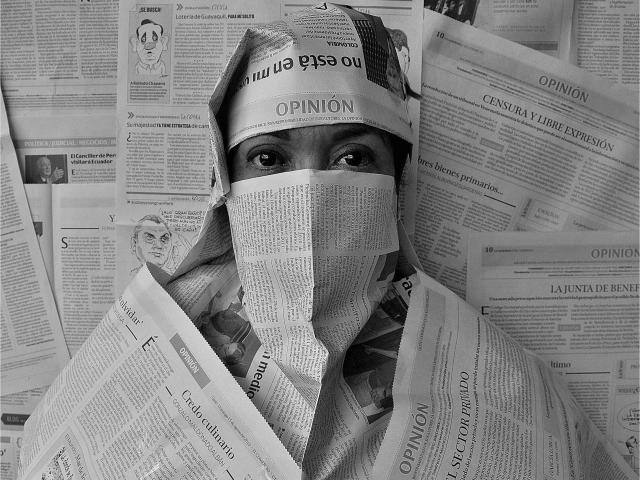
Worldwide press freedom has dropped to its lowest historical level, according to the 2025 report by Reporters Without Borders (RSF).
The press freedom index assessed media conditions in 180 countries based on five key factors: political context, legal framework, economic environment, socio-cultural conditions, and security.
Analysts found that journalists in 90 countries are facing a "difficult" or "very serious" situation due to threats, autocratic influence, and financial struggles. RSF Director Anya Osterhaus warned that independent journalism remains a thorn in the side of autocrats, and if media outlets suffer financial hardship, it will be unclear who can expose misinformation and propaganda.
The report states that 160 of the 180 countries assessed lack a stable media environment or operate under extremely difficult conditions. In nearly one-third of these countries, newsrooms have shut down due to economic reasons, often linked to government pressure. Additionally, media ownership in 46 countries is controlled by a small group of wealthy individuals, including Russia.
Russia dropped nine places in the RSF ranking, now standing at 171st place, scoring 24.57 out of 100 points—one of the worst performances globally. Egypt and Nicaragua were also highlighted as having severe press restrictions.
Within the post-Soviet states, Turkmenistan ranked the lowest at 174th place (19.14 points), followed by Afghanistan, Iran, Syria, China, North Korea, and Eritrea.
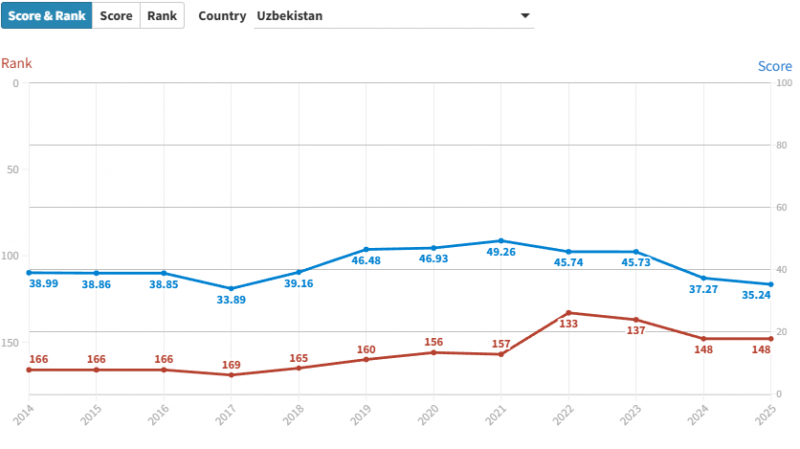
Meanwhile, Belarus ranked 166th (25.73 points), Azerbaijan 167th (25.47 points), Tajikistan 153rd (32.21 points), Uzbekistan 148th (35.24 points), Kyrgyzstan 144th (37.46 points), and Kazakhstan 141st (39.34 points).
Uzbekistan has remained at 148th place for the second consecutive year but saw its score drop from 37.27 points in 2024 to 35.24 points in 2025, indicating a worsening media environment.
In the Americas, economic conditions for media outlets worsened in 22 out of 28 countries. In the United States (ranked 57th), Donald Trump’s second presidential term negatively impacted press freedom. In Argentina (87th place), President Javier Milei insulted journalists and dismantled state-run media, while Peru (130th place) and El Salvador (135th place) experienced government-led propaganda and attacks against critical news outlets.
Mexico (124th place) remains one of the most dangerous countries for journalists, with economic indicators continuing to decline. Nicaragua (172nd place) ranked at the bottom, as the Ortega-Murillo regime eliminated independent media. In contrast, Brazil (63rd place) has shown recovery since the Bolsonaro era.
Europe remains the global leader in press freedom, but Eastern and Central Europe recorded the sharpest decline. Meanwhile, the EU and Balkan region maintained the highest overall scores, widening the gap with other parts of the world.
Despite this, economic challenges persist—in 40 European countries, press freedom scores dropped in 28 due to financial instability. The European Media Freedom Act (EMFA), aimed at improving media independence, has yet to be implemented.
Portugal (8th place), Croatia (60th place), and Kosovo (99th place) all saw declining scores, while Norway remains the world's highest-ranked country for press freedom for the ninth consecutive year. Estonia moved up to second place, while the Netherlands (3rd place) overtook Sweden (4th place) in the top rankings.
Previously, in 2024, Uzbekistan lost 0.2 points in the democracy index by The Economist Intelligence Unit, but rose two spots in the overall ranking due to worsening conditions in other countries.

Live
All