Tragedy, disaster, death and camps: 10 destinations for dark tourism
Interesting
−
31 August 2025 10092 6 minutes
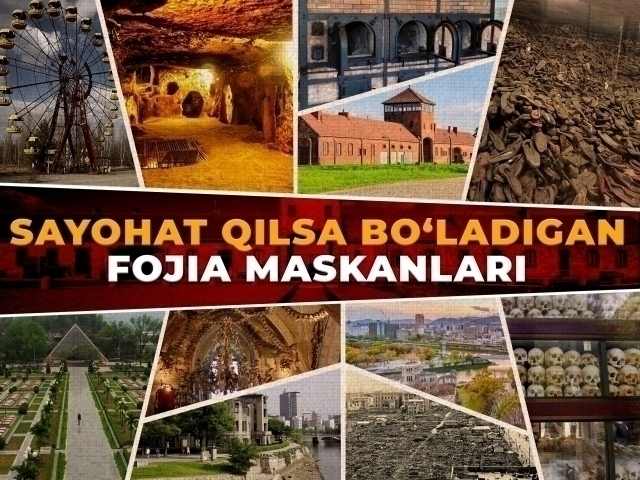
Some travelers prefer to visit places with a tragic history, filled with horror and significance, rather than typical vacation destinations. Visiting sites associated with death and suffering — from locations of mass killings to areas devastated by natural disasters — is known as dark tourism.
People are drawn to these destinations for different reasons. Some want to confront their own or their ancestors’ history, while others hope to gain a deeper understanding of historical events. For example, seeing the remains of victims at Auschwitz-Birkenau or reading the names of those who died at the September 11 memorial holds profound meaning for those connected to the tragedies. For others, it is a way to contribute to preserving collective memory.
Why are people interested in dark tourism?
Why some travelers choose to spend their time and money visiting such places remains puzzling to many. Most vacationers would rather spend their holidays relaxing on a beach, far removed from grim realities.
Duncan Light, a professor and tourism scholar at Bournemouth University, says there are misconceptions about dark tourism.
“One of the biggest misconceptions is that people visit places of death and suffering out of an unhealthy curiosity or for a paranormal thrill. But research has shown almost no evidence of such motivation,” he says.
Instead, many visitors seek to learn from history, commemorate tragedies, see historic sites firsthand, pay tribute to victims, explore family connections, or visit places tied to national identity.
World-famous dark tourism destinations
1. Auschwitz-Birkenau, Poland
One of the largest Nazi concentration camps of World War II, Auschwitz-Birkenau was established in 1940 and grew to include more than 40 sub-camps. Prisoners were subjected to forced labor there.
At least 1.1 million people were killed over five years, making it the largest concentration camp in history. Today the site is a museum, with original barracks preserved and thousands of personal belongings on display, including shoes, suitcases, clothing, and prisoner artwork. The museum commemorates the victims and is open nearly year-round in the Polish city of Oświęcim (Auschwitz).
2. Chernobyl, Ukraine
The 1986 Chernobyl nuclear disaster led to the evacuation of 350,000 people. Twenty-eight died from acute radiation exposure, and two others died on the night of the explosion. The blast and fire released at least five percent of the reactor’s core material into the environment.
Although currently closed to tourists because of the Russia-Ukraine war, Chernobyl was previously a popular destination for dark tourism.
3. 9/11 Memorial and Museum, United States
Located in New York City at the site known as Ground Zero, this memorial and museum honors the victims of the September 11, 2001, terrorist attacks and the 1993 World Trade Center bombing. Built where the Twin Towers once stood, it houses documents, artifacts, and personal stories.

The names of 2,977 victims of September 11 and six victims of the 1993 attack are inscribed on bronze panels at the memorial. The outdoor memorial is open daily, while the museum is closed only on Mondays.
4. War Remnants Museum, Vietnam

This museum in Ho Chi Minh City features nine permanent exhibits about the Vietnam War and the First Indochina War. It documents the horrors and political aspects of war through photographs, documents, and artifacts.
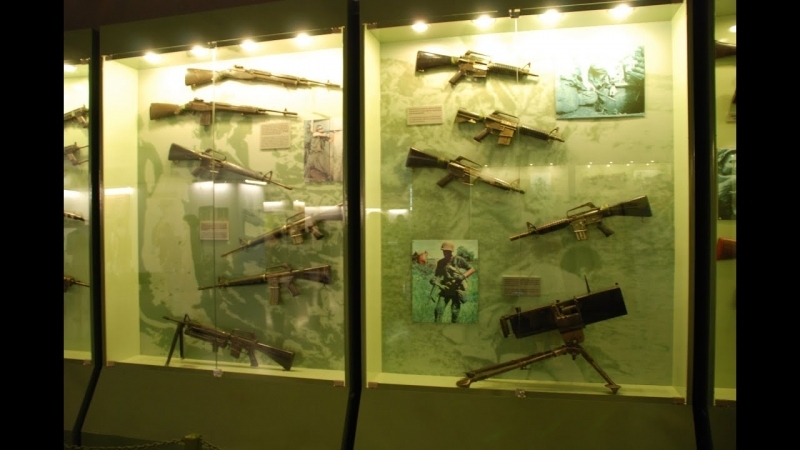

The exhibits include prison torture devices and letters of solidarity from around the world. Two sections focus on the chemical weapon Agent Orange, used by U.S. forces, which contaminated 2.6 million hectares of land and caused severe health effects for millions of people and future generations. The museum is among Vietnam’s most-visited cultural sites and is open daily.
5. Pompeii, Italy

A UNESCO World Heritage Site, Pompeii is an ancient city that draws millions of visitors each year. The eruption of Mount Vesuvius in 79 A.D. buried thousands of people in Pompeii and nearby Herculaneum under ash and pumice.

The excavated ruins, which include homes, streets, frescoes, and artifacts frozen in time, remain open to visitors. The site is accessible via Naples. After a record-breaking number of tourists last summer, authorities have capped daily entry at 20,000 visitors during peak months.

6. Crumlin Road Gaol, Northern Ireland
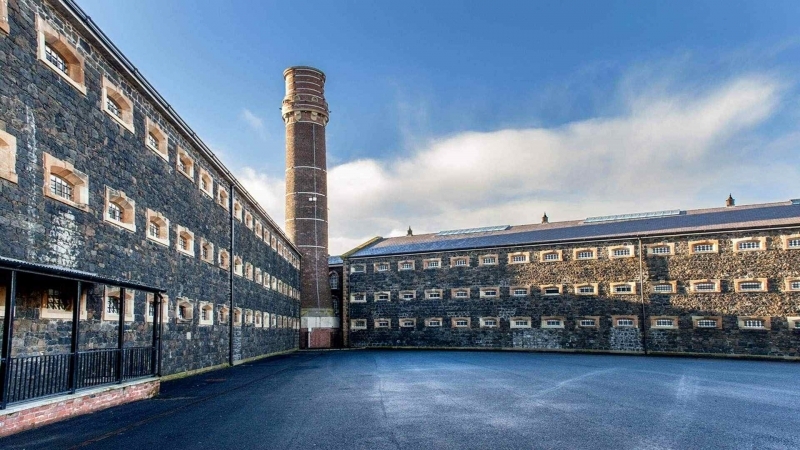
This former prison in Belfast, known as Crumlin Road Gaol, attracts visitors for both its history and paranormal reputation. Open from 1845 to 1996, the prison housed suffragettes, political prisoners from the Northern Ireland conflict, and common criminals.
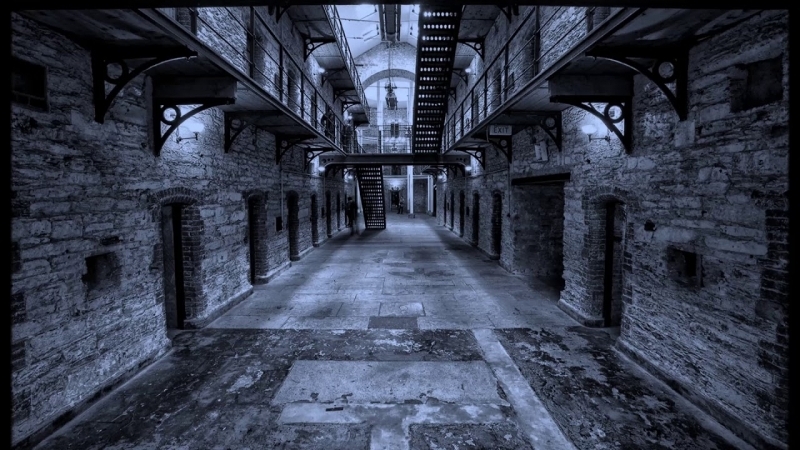
Guided tours allow visitors to see cells, execution chambers, and yards where prisoners once walked. The site is now a popular cultural and historical attraction, open daily.
7. Choeung Ek Killing Fields, Cambodia

The Choeung Ek Genocidal Center, located outside Phnom Penh, was once a mass execution site under the Khmer Rouge regime. It is where many of the approximately 18,000 prisoners from the notorious S-21 detention center were executed. The Khmer Rouge sought to create an “agrarian utopia,” but its reign of terror claimed an estimated 2 million lives through murder, starvation, and disease.

A memorial stupa on the grounds contains more than 5,000 skulls of victims recovered from nearby mass graves, visible through glass panels. Visitors can also explore the Tuol Sleng Genocide Museum, built on the former S-21 site, which documents the regime’s brutality and its aftermath. Both sites are open daily.
8. Kigali Genocide Memorial, Rwanda

The Kigali Genocide Memorial honors the victims of the 1994 genocide in Rwanda, where approximately 800,000 Tutsis and moderate Hutus were killed over 100 days. Mass graves near the memorial hold the remains of 250,000 victims.

The site features three permanent exhibitions, the largest dedicated to the genocide. Tours are often led by survivors, offering powerful firsthand testimony. The memorial is open daily, though children under 12 are not permitted.
9. Hiroshima, Japan

At 8:15 a.m. on August 6, 1945, the world’s first atomic bomb used in warfare was dropped on Hiroshima, killing an estimated 140,000 people from the blast, burns, and radiation exposure. Today, the city is home to several memorials and museums preserving the memory of the attack.

The most prominent site is the Hiroshima Peace Memorial, also known as the Atomic Bomb Dome, the only surviving structure at the bomb’s hypocenter. Nearby, Peace Memorial Park features a cenotaph inscribed with victims’ names and a mound holding the ashes of thousands of unidentified victims.

The Peace Memorial Museum displays victims’ belongings, survivor artwork, and photographs of the devastation. It is open almost every day of the year.
10. Sedlec Ossuary, Czech Republic

The Sedlec Ossuary, a Roman Catholic chapel in Kutná Hora, is known as the “Church of Bones.” In the 13th century, soil from Jerusalem was spread on the grounds, making the cemetery a sought-after burial site for people across Europe. Thousands of plague victims from the 14th century and those who died during the 15th-century Hussite Wars are buried here.
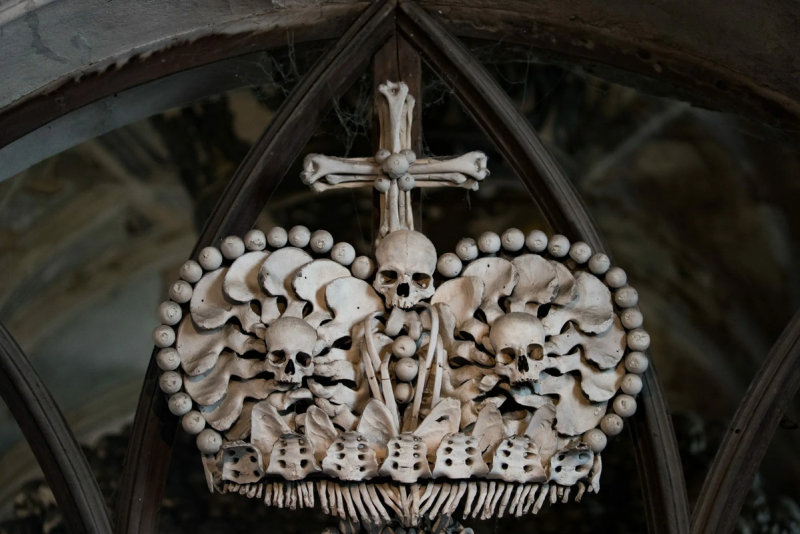
As the cemetery became overcrowded, human remains were stored in an underground ossuary. Today, the chapel’s interior is decorated with the bones of an estimated 40,000 people, forming chandeliers, wall ornaments, and elaborate sculptures.

The ossuary draws hundreds of thousands of tourists each year and is interpreted by the Catholic Church as a reminder of mortality and the fleeting nature of human life.

Live
All