Zero outcome after 21 hours of talks, or the unexpected winners of the war
Review
−
13 April 9667 8 minutes
Wars do not solve problems — they create them. The war that began on February 28, 2026, was expected by the United States and its allies to deliver “quick results.” However, by April 11–12, even 21 hours of negotiations in Islamabad failed to change anything: the war has not ended, nor has the situation become any simpler. One of the most striking paradoxes of this conflict is that the Strait of Hormuz, which had been open before the war, has now become Washington’s “main negotiating condition.” In other words, something that previously existed is now being presented as a “concession” that must be returned. Before the war, nuclear issues dominated Donald Trump’s rhetoric, but today the waterway closed as a result of military actions has taken center stage. The fact that the White House is unable even to restore pre-war conditions highlights the limitations of its current approach.
At the beginning of April, a temporary ceasefire was announced, and Iran was reportedly ready to reopen the strait. However, within days, the situation deteriorated again. Israeli strikes on Lebanon have further deepened the crisis.
Another notable aspect of the geopolitical dynamics in the Middle East is that none of the parties involved in the conflict can claim a clear victory, while external observers appear to be benefiting. The United States has not achieved its demands, Israel has not resolved its security concerns, and Iran cannot claim a decisive advantage. All sides speak of “victory,” yet tangible gains are accumulating elsewhere. This article examines the logic — or lack thereof — behind a war that increasingly defies rational explanation.
An unsuccessful campaign by the United States
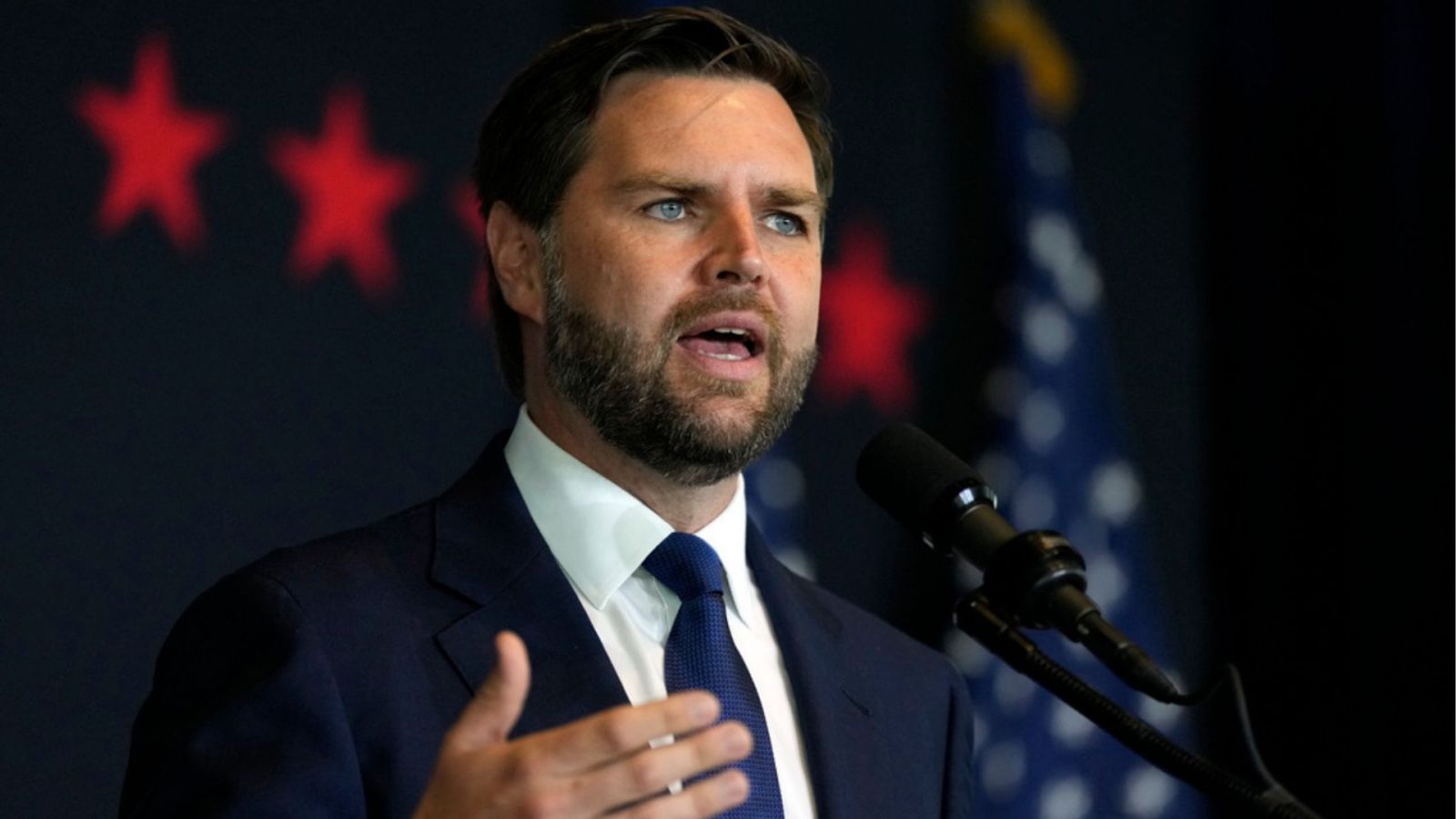
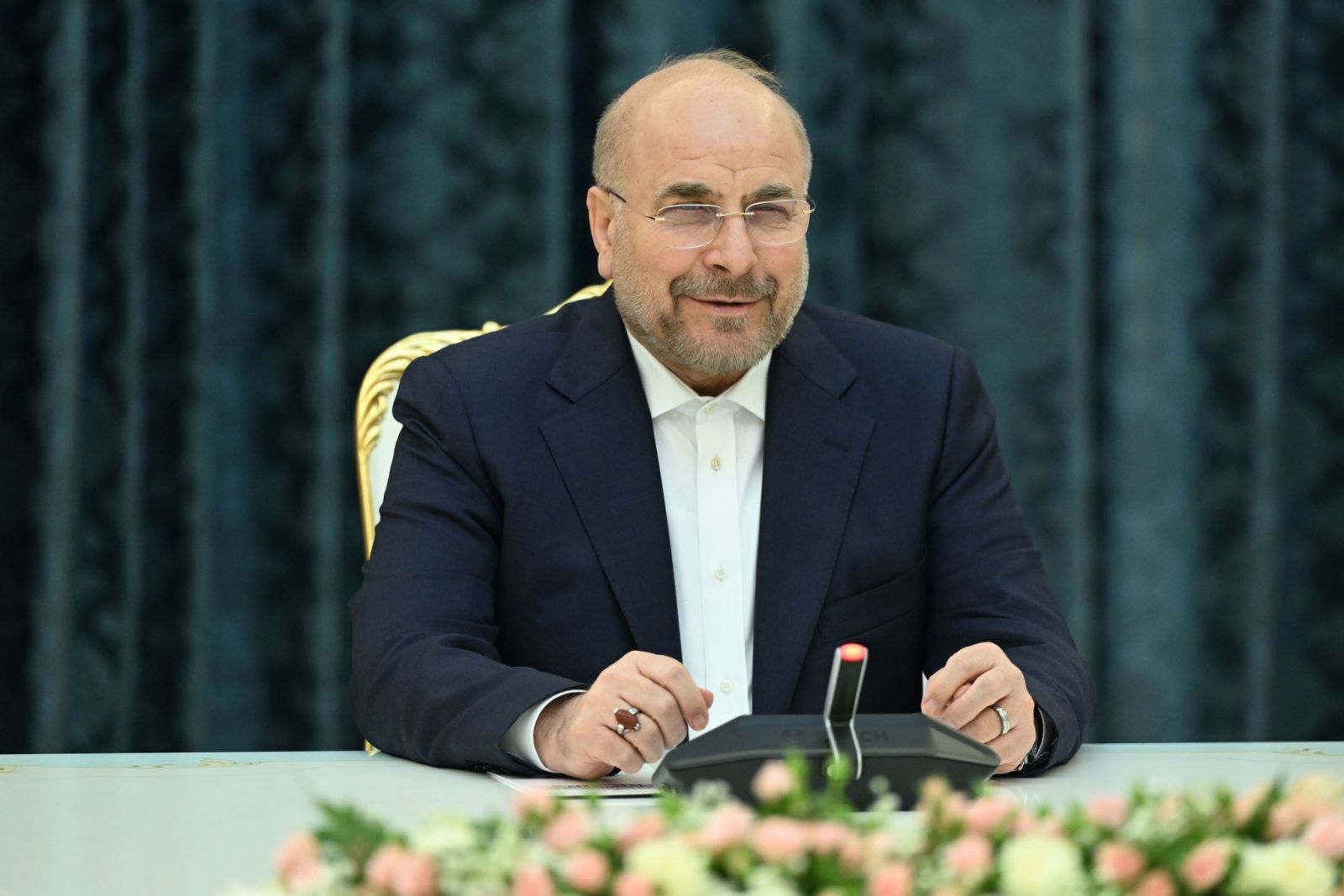
The US–Iran negotiations held in Islamabad on April 11–12 did not result in the expected diplomatic breakthrough for Washington. Instead, the 21-hour talks ended without agreement, underscoring the limited effectiveness of the United States’ political and military strategy in the region. The US delegation was led by Vice President J.D. Vance, while Iran was represented by Parliament Speaker Mohammad Bagher Ghalibaf, Foreign Minister Abbas Araghchi, and other senior officials. The main goal of the talks was to halt the war and transform a temporary ceasefire into a stable agreement.
However, key disagreements remained unresolved. In particular, control over the strategically important Strait of Hormuz became the central point of contention. The United States demanded the restoration of free navigation, while Iran continued to view the area as part of its security zone. Tehran appears to have identified a critical pressure point and is unwilling to relinquish control.
“We have been negotiating for 21 hours and have had a number of substantive discussions with the Iranian side. That is the good news. The bad news is that we have not yet reached an agreement. I can also say that this is worse news for Iran than for the United States,” the head of the US delegation said.
At the same time, Tehran demanded the release of billions of dollars in frozen assets held in US banks, the lifting of sanctions, and compensation for the war. These demands, however, appear to conflict with Washington’s interests.
“The United States has understood Iran’s logic and principles. Now it is time to determine whether they can earn our trust,” Ghalibaf wrote on the social media platform X.
Military activity continued alongside the negotiations. On April 11, US forces launched mine-clearing operations in the Persian Gulf, indicating that pressure tactics were being applied in parallel with diplomacy. In turn, the passage of US naval vessels through the strait was met with open threats from Iran.
Importantly, these negotiations did not take place on equal terms. The United States presented a set of maximalist demands, including a complete halt to Iran’s nuclear and missile programs and full reopening of the strait. Iran viewed these demands as a threat to its sovereignty and rejected them. Neither side showed willingness to compromise, and the talks ultimately hardened positions rather than bringing them closer together.
According to experts, another key factor behind the failure was Washington’s overly optimistic and at times unrealistic approach. Statements suggesting that the war had already been “won” weakened the diplomatic process and increased distrust on the opposing side.
As a result, the Islamabad talks became a strategic setback for the United States. No diplomatic agreement was reached, and military pressure failed to force Iran into concessions. Meanwhile, regional instability continues to grow, with ongoing strikes in Lebanon, rising tensions in the Strait of Hormuz, and increasing uncertainty in global energy markets.
In short, the US “campaign” has demonstrated that a ceasefire remains distant and that the parties are not yet ready for compromise. Attempts to claim victory in an unwinnable conflict may ultimately lead to reputational and strategic losses.
Who are the real winners?
The paradox is that the main beneficiaries are not those spending billions on the war, but those observing from the sidelines. So who are they?
The US–Israel–Iran conflict has revealed one of the most paradoxical dynamics in global politics: while the battlefield is in the Middle East, significant economic gains are being realized elsewhere, particularly in Moscow. According to the analytical center Chatham House, the conflict has effectively become a “gift” for Russian President Vladimir Putin.
On March 4, 2026, the closure of the Strait of Hormuz disrupted global oil markets. As a result, Brent crude prices surged to between $100 and $120 per barrel, providing an unexpected boost to Russia’s sanction-hit economy. According to Reuters estimates, Russia’s oil revenues nearly doubled in April alone, reaching approximately $9 billion.
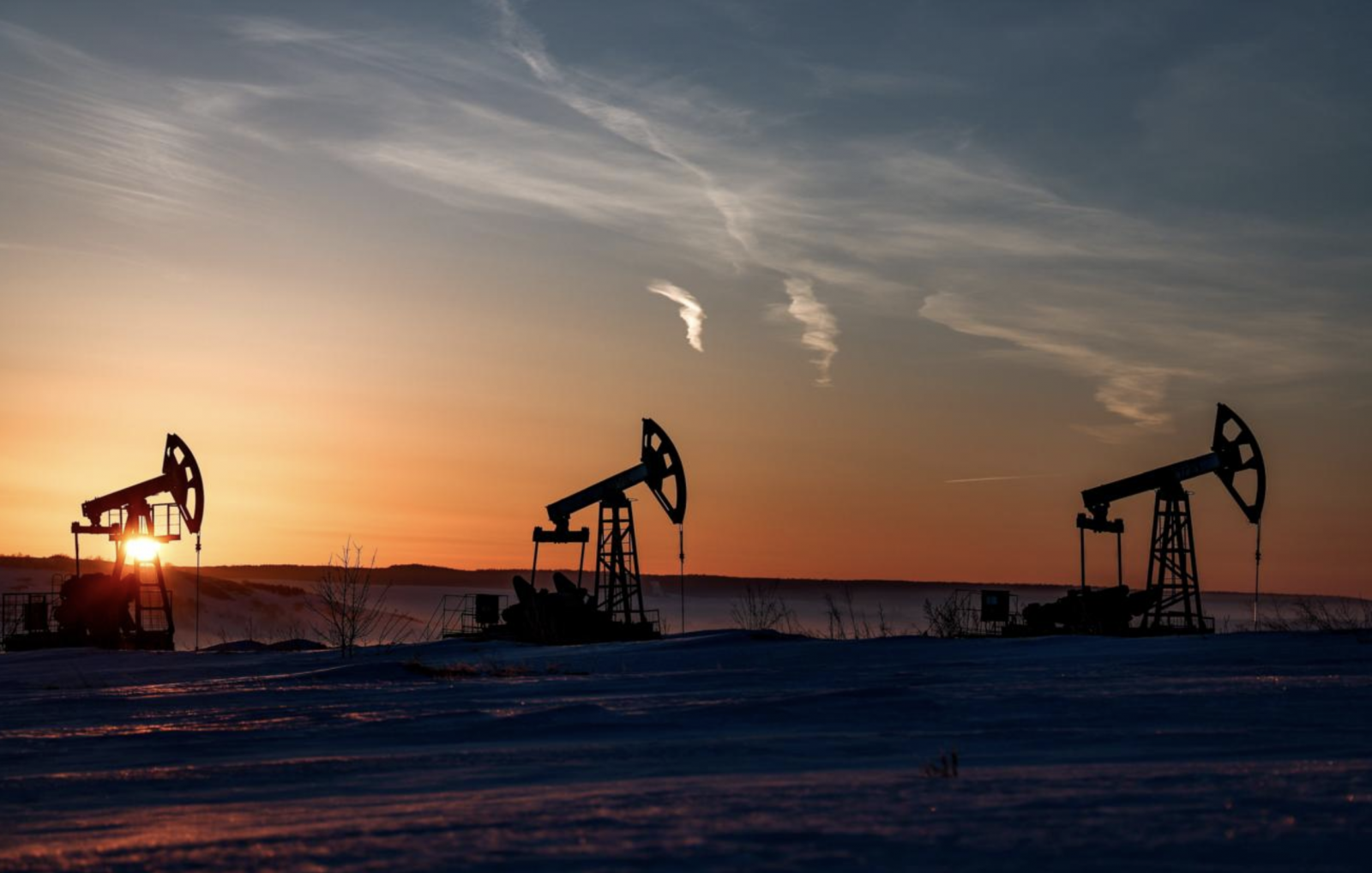
This impact goes beyond price increases. Efforts by the United States to stabilize the oil market have led to a partial easing of restrictions on Russian oil, creating additional opportunities for Moscow. As a result, financial resources supporting the Russia–Ukraine war have begun to recover. Ironically, policies aimed at resolving one conflict are indirectly prolonging another.
Another significant factor has been the shift in political attention. In March–April 2026, Washington redirected its primary resources and diplomatic focus toward Iran. Consequently, Ukraine became a secondary priority, and support for Kyiv began to decline. Analysts suggest this has provided Russia with strategic relief, as both US and European military assistance and diplomatic pressure have weakened.
This has created a striking paradox: in attempting to weaken one rival, Washington may be strengthening another. Rising energy prices, relatively softened sanctions, and shifting global attention have collectively worked to Russia’s advantage.
Some experts also point to another beneficiary — China. To a certain extent, the instability generated by the world’s leading power, and its inability to manage it, is gradually redirecting strategic and economic advantages toward Beijing. According to Deutsche Welle, this conflict represents a rare geopolitical situation in which China benefits without direct military involvement.
Tensions around the Strait of Hormuz have disrupted global energy systems, driven up oil prices, and strained supply chains, forcing many countries to reassess their energy security strategies.
This is where China’s strategic advantage emerges. Beijing has long pursued policies aimed at reducing dependence on oil and promoting electrification. The conflict has accelerated this transition. As noted by Deutsche Welle and other analysts, the energy crisis has pushed many countries to speed up their shift toward renewable energy — a sector in which China is the dominant supplier. Demand for solar panels, batteries, and electric vehicles has surged, significantly expanding Chinese exports.
In addition, Beijing is positioning itself as a neutral mediator. On April 9, Chinese officials called for a ceasefire, reinforcing the country’s image as a proponent of stability. In contrast to Washington, this has strengthened China’s diplomatic standing, with more countries viewing Beijing as a potential guarantor of international stability.
Of course, the war is not without costs for China — energy imports are under pressure and prices have risen. However, the key difference is that Beijing appears capable of turning the crisis into a long-term strategic opportunity. Energy transformation is accelerating, diplomatic influence is growing, and global economic reach is expanding.
In conclusion, the 2026 Iran conflict highlights a broader reality: in modern warfare, victory is not always determined on the battlefield. Often, the greatest gains are secured by those who do not fight, but instead pursue the most effective long-term strategy.z

Live
All