Animals in World War II: Force to counter technology
Interesting
−
07 May 4489 4 minutes
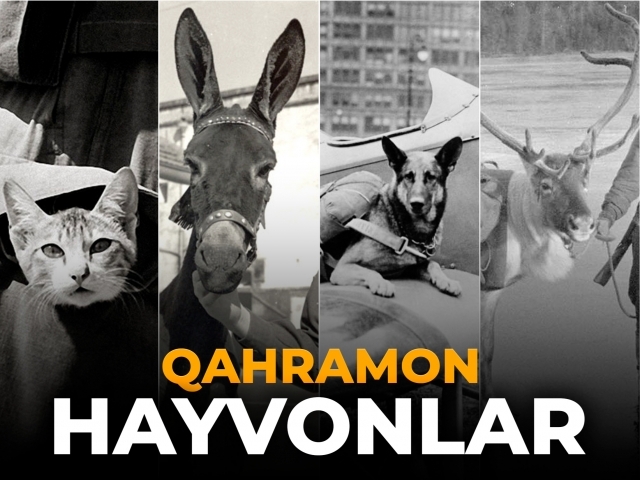
World War II was a global conflict that tested the limits of human endurance, innovation, and ingenuity. Alongside millions of soldiers, civilians, and military machines, animals also played an essential role. From dogs and horses to pigeons and even reindeer, animals were deployed in a wide range of capacities—often profoundly influencing the outcomes of battles and campaigns. Their use underscored not only their adaptability but also their critical importance in conditions where advanced technology proved insufficient.
Dogs: Soldier’s best companion
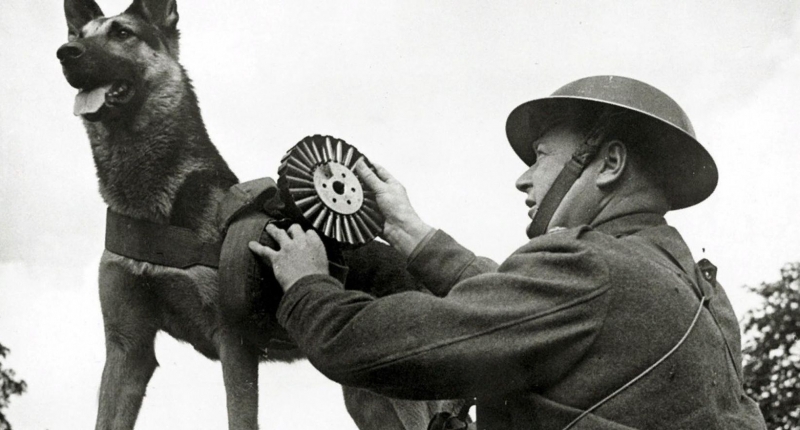
Dogs were among the most widely utilized animals during World War II. Breeds such as German Shepherds, Dobermans, and Collies were trained for various military purposes, becoming indispensable assets on the battlefield. One of their key roles was serving as messengers, swiftly carrying vital information across dangerous and uneven terrain. Unlike humans, dogs could evade enemy attention and navigate the chaos of battle with remarkable speed and accuracy, making them reliable messengers when radio systems failed.
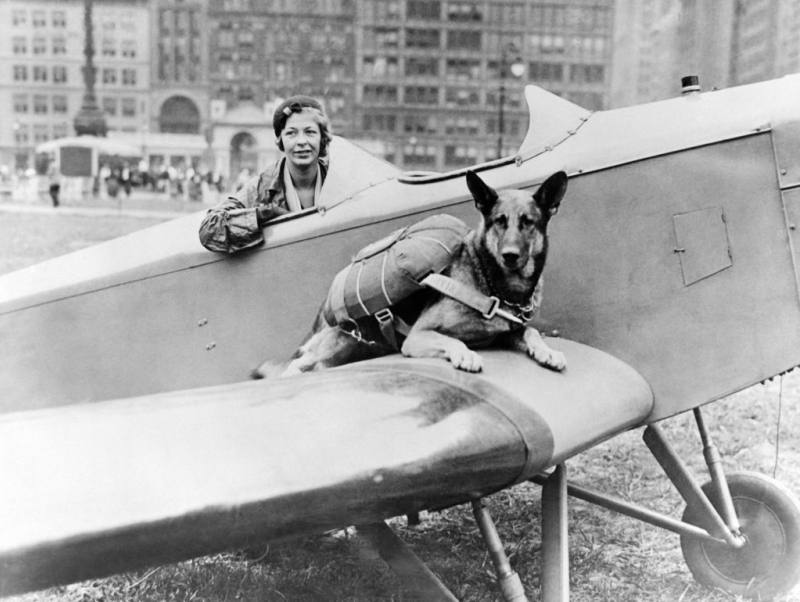
Beyond communications, dogs were used as sentries and patrol companions, alerting soldiers to enemy movements or guarding military outposts. Thanks to their acute senses, they could detect hidden threats or warn of infiltration attempts. Specially trained search-and-rescue dogs played a critical role in locating wounded soldiers buried under rubble or lost in forests, significantly aiding medical efforts. Mine-detection dogs also helped clear dangerous areas, identifying explosives and preventing countless casualties.
Horses and Mules: Backbone of military logistics
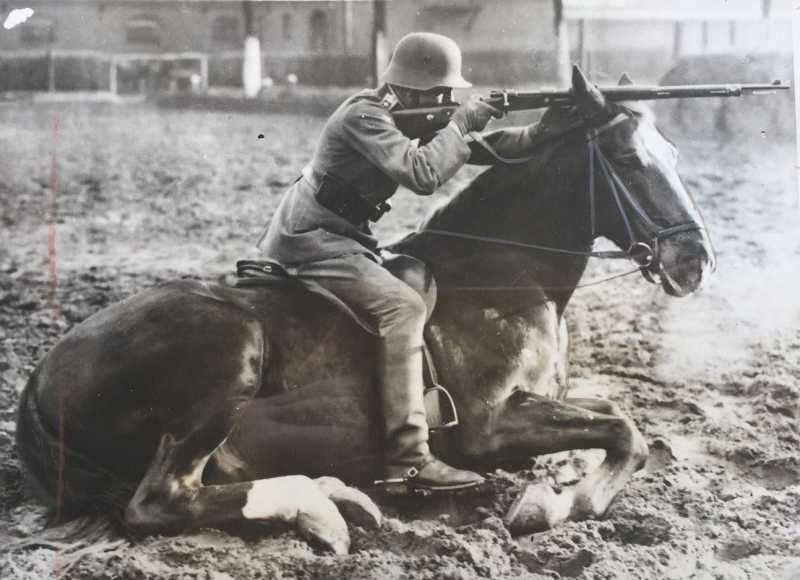
Despite advancements in mechanized warfare, horses and mules remained vital, especially in terrain where vehicles struggled. These pack animals were used to transport ammunition, food, weapons, and medical supplies to the front lines—often in mountains, forests, or snow-covered regions where trucks and tanks were ineffective. Their importance was particularly evident in the Alps, the Burmese jungles, and the rugged Soviet landscape.
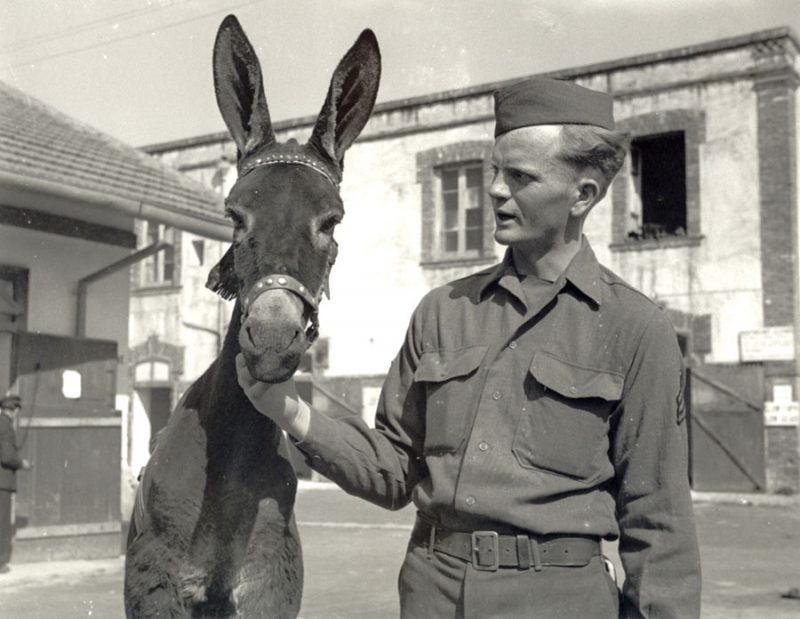
Cavalry units also saw continued service in the early stages of the war. In places where motorized vehicles were scarce or impractical, mounted troops provided reconnaissance and rapid mobility. In many rural or underdeveloped areas, horses helped maintain critical supply routes, and even as tanks came to dominate the battlefield, horses remained irreplaceable in hard-to-reach regions.
Pigeons: Winged messengers of War
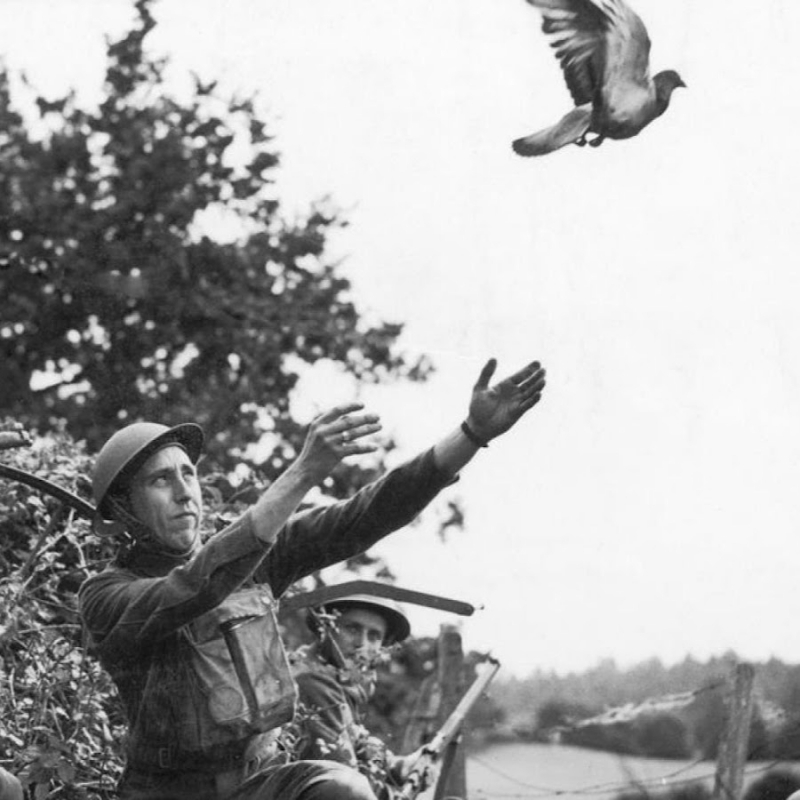
While carrier pigeons had been used in earlier wars, their value was reaffirmed during World War II. In areas where radios and phone lines were destroyed or blocked, pigeons offered a low-tech yet effective communication method. These birds carried messages in small capsules attached to their legs, often flying long distances through dangerous skies to deliver crucial information.
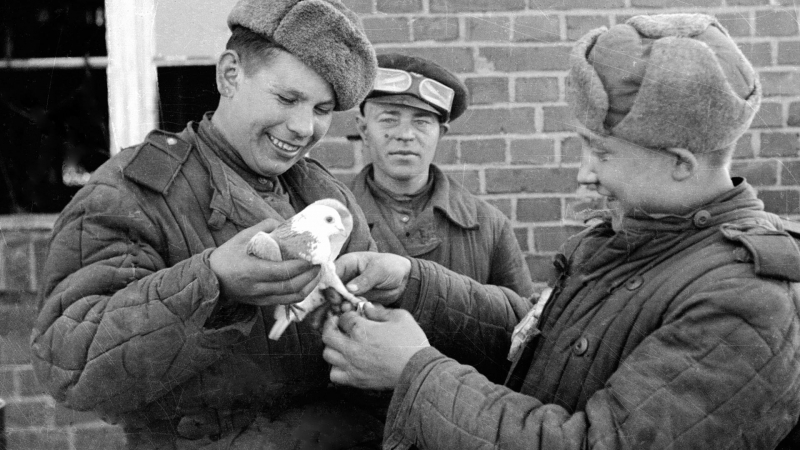
One of the most notable efforts involving pigeons was Britain’s Operation Columba. In this mission, resistance fighters and civilians in Nazi-occupied Europe used pigeons to send intelligence back to Britain. The birds carried reports on troop movements, military installations, and local resistance activity, offering British intelligence invaluable insight behind enemy lines.
Elephants, reindeer, and camels: Regional adaptations and enduring strength
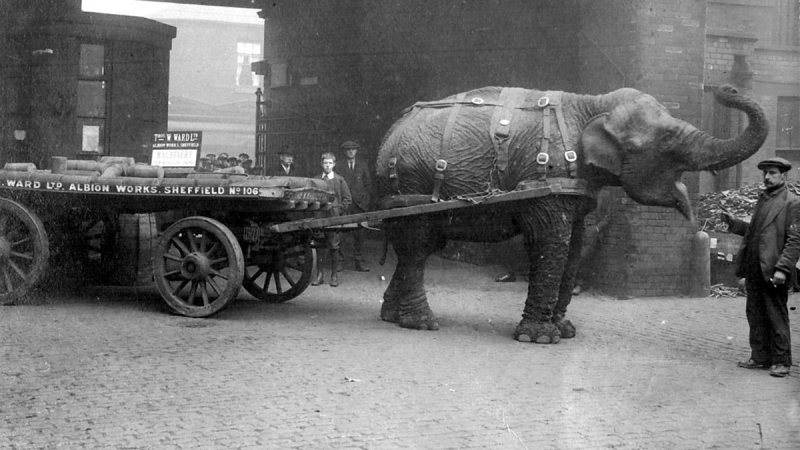
In certain regions, animals not traditionally associated with warfare also played pivotal roles during World War II. In the dense jungles of Burma, elephants were employed by both Allied and Axis forces to transport heavy artillery, building materials, and essential supplies. Their immense strength and ability to navigate rugged terrain made them indispensable in the challenging conditions of the Burma Campaign.
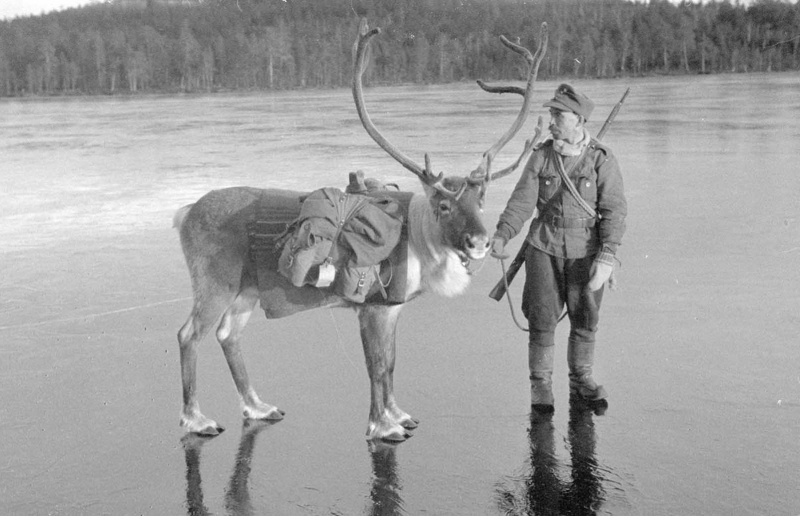
In the Arctic zones of the Soviet Union and Finland, reindeer were used to move troops and equipment across snow-covered landscapes. Finnish forces, in particular, relied on reindeer for rapid, reliable transport in sub-zero temperatures, where standard military vehicles often failed. In contrast, across the arid deserts of North Africa, camels were a critical asset for both British and German forces.
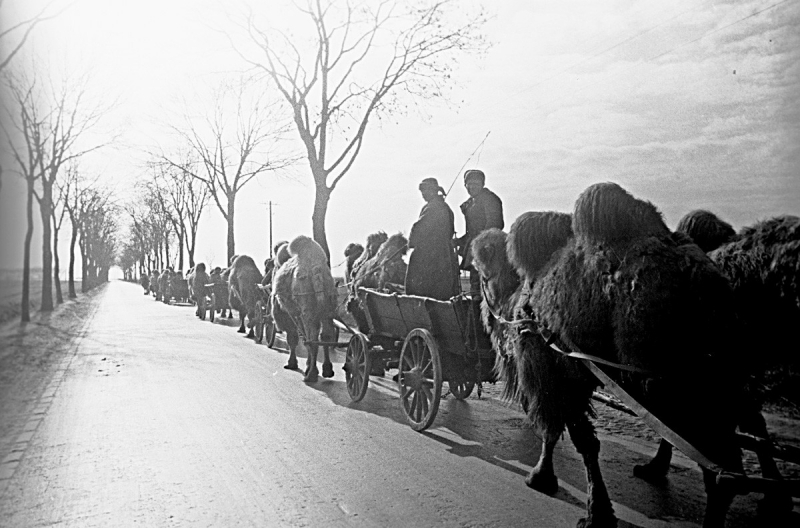
With their natural adaptation to hot, dry environments and ability to endure long periods without water, camels ensured the movement of supplies and personnel in regions where fuel and water were scarce.
Cats: Silent guardians of hygiene and morale
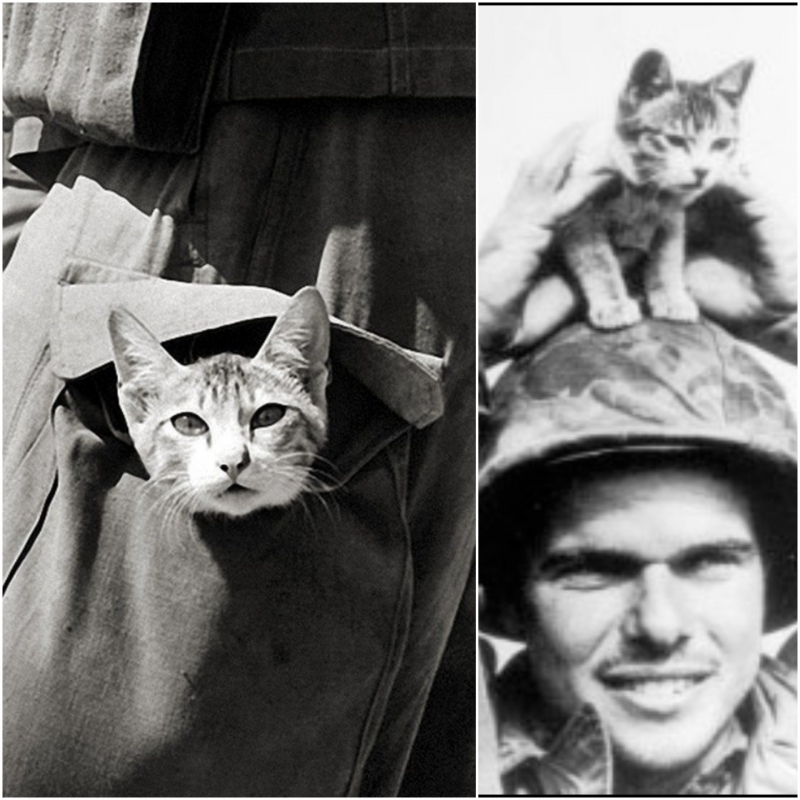
While larger animals bore the weight of logistics and communications, smaller animals such as cats also contributed meaningfully to military life. Primarily used to control rodent populations on ships and in military barracks, cats helped protect food reserves and reduce the spread of disease. Beyond their practical purpose, cats also served as companions, providing soldiers with comfort and a sense of normalcy amid the hardships of war.
Enduring role of animals in warfare
The presence and participation of animals in World War II underscored both their utility and their irreplaceable bond with humans during crisis. Whether navigating hostile terrain, conveying vital information, hauling supplies, or offering emotional support, animals fulfilled essential roles that often surpassed the capabilities of contemporary technology. In the most mechanized conflict in history, animals remained a force of resilience, loyalty, and adaptability—demonstrating that even in modern warfare, their contributions were far from obsolete.

Live
AllSamarqandda “gashish” sotayotgan shaxs ushlandi
13 December
“Moyka”da qoldirilgan Malibu o'g'irlab ketildi
13 December