New research reveals Samarkand is older than previously thought
Local
−
26 July 2025 13401 2 minutes
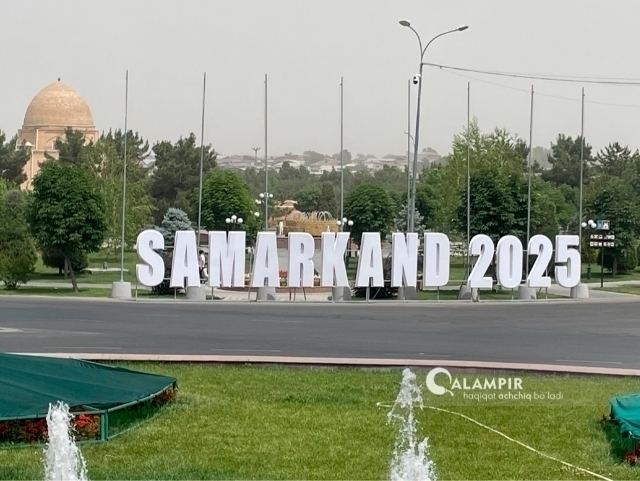
The age of the city of Samarkand has been reassessed to 3,000 years. This decision was made at the latest session of the Samarkand Regional Council of People's Deputies.
It was noted that the decision is based on research conducted by a public council organized with the initiative of the regional khokimiyat and historians-archaeologists.
To determine the city’s age, interdisciplinary studies and excavations were carried out at Afrosiyob, Koktepa, and the Amir Temur Arch. Based on archaeological findings—including a defensive wall dating back to the 7th–4th centuries BC, raw bricks, animal bones, and pottery fragments—experts concluded that the first urbanization in Samarkand began at the start of the 1st millennium BC.
The session decided to acknowledge the research results presented by the Academy of Sciences of Uzbekistan, the Samarkand Institute of Archaeology, and international partner organizations, which indicate that Samarkand’s initial urbanization dates back to the end of the 2nd millennium BC and the beginning of the 1st millennium BC. The artifacts, scientific data, and documents discovered during excavations in the Afrosiyob and Koktepa areas will be submitted to the relevant ministries and departments.
For reference, the age of Samarkand has been gradually revised over time. Early scientific research estimated the city’s age at 1,500 years. It was later updated to 2,000 years. In the 1970s, based on major scientific findings, the city was declared 2,500 years old. In the 2000s, research by a joint Uzbek-French expedition set its age at 2,750 years.

Live
All