Uzbekistan and Tajikistan presidents deliver statements to the media
Local
−
26 March 3078 4 minutes
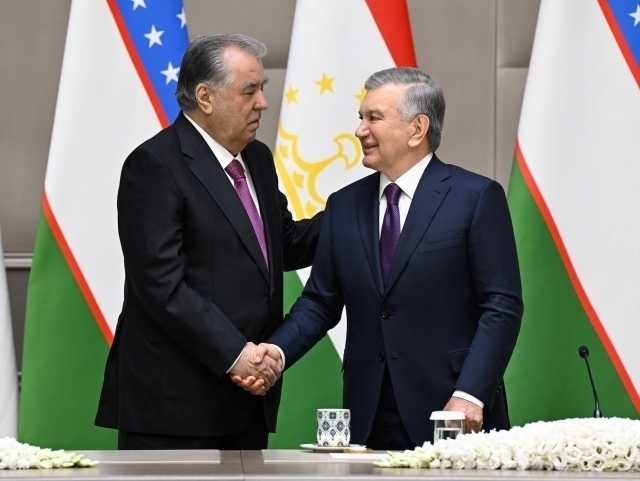
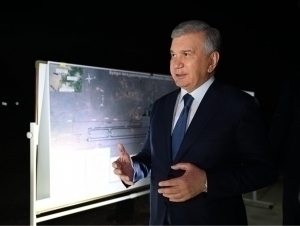
Today, March 26, the President of the Republic of Uzbekistan, Shavkat Mirziyoyev, and the President of the Republic of Tajikistan, Emomali Rahmon, addressed representatives of the mass media at the Kuksaroy residence following the first meeting of the Supreme Interstate Council. This was reported by the press service of the President of Uzbekistan.
According to the report, the Uzbek leader expressed sincere satisfaction with Tajikistan’s strong performance in ensuring stable economic growth, attracting investment, curbing inflation, and increasing real incomes.
“Tajikistan is a reliable strategic partner and ally for Uzbekistan. It was emphasized that our countries share common goals, views, and aspirations, and that bilateral relations are developing dynamically in political, economic, and humanitarian spheres,” the statement said.
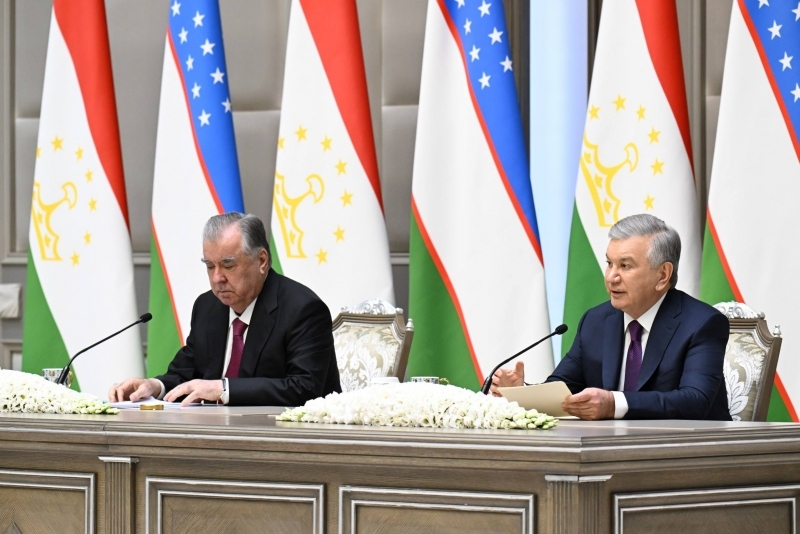
It was also noted with satisfaction that regular meetings are being held at the level of parliaments and governments, as well as among regional leaders and intellectuals.
Last year, trade turnover between the two countries reached nearly $1 billion. Industrial cooperation is developing rapidly, with more than 500 joint ventures currently operating in Uzbekistan.
Cooperation in the transport sector is also expanding. Up to 10 flights per week are currently operated between the capitals.
The Uzbek president noted that thorough preparations had been made for the summit, including intergovernmental commission meetings, forums of regions, rectors, scientists, youth, and analytical centers, as well as the Days of Tajik Culture and Cinema and other important events.
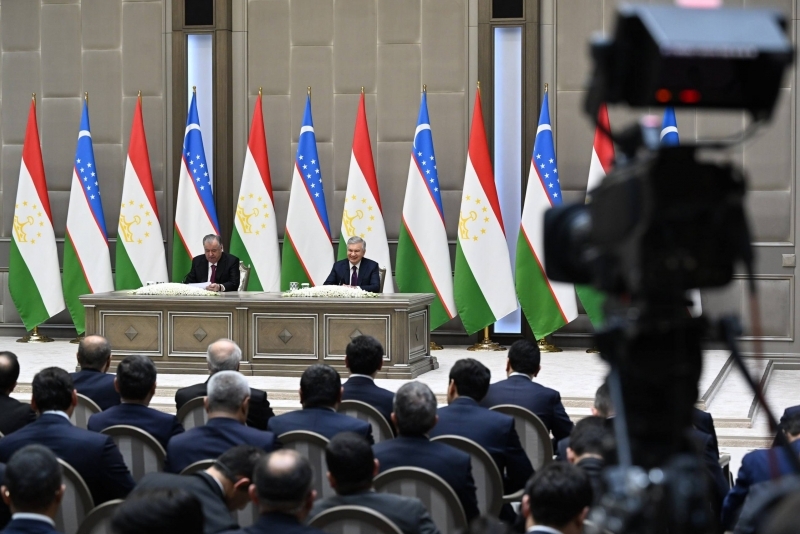
During the productive negotiations and the first meeting of the Interstate Council, a wide range of issues was discussed, and priority areas and goals for developing multifaceted cooperation were identified.
The importance of continuing active engagement at all levels and strengthening dialogue within international and regional frameworks, including Consultative Meetings and the “Central Asia Plus” formats, was emphasized.
The need to further develop economic cooperation was highlighted. The governments of the two countries were instructed to take practical measures to increase trade turnover to $2 billion under a dedicated program.
To achieve this, efforts will be accelerated to establish the “Oybek–Fotihobod” trade zone, and a cooperation program worth $2 billion covering sectors such as energy, geology, metallurgy, textiles, agriculture, and pharmaceuticals will be implemented.
The parties also agreed to actively utilize the potential of the Joint Investment Company to advance these projects.
Special attention was given to transport and transit cooperation. An agreement was signed on introducing an electronic permit system for cargo transportation, along with agreements to expand air and rail services and increase the capacity of border checkpoints.
The main objective of these coordinated measures is to create favorable conditions for businesses and citizens and to unlock the potential of regions as a driver of trade and economic cooperation.
Cooperation in water and energy remains a key area of bilateral relations. The parties confirmed their readiness to jointly promote major projects in green energy and to coordinate issues related to water distribution, as well as the automation and digitalization of water infrastructure.
Cultural and humanitarian ties continue to serve as a strong bridge of friendship between the two nations. As part of cooperation, a film has been produced about the friendship between Abdurahmon Jomi and Alisher Navoi, and one of the streets in New Tashkent has been named after the city of Dushanbe.
The parties also expressed their intention to continue active exchanges in education, tourism, and youth initiatives based on an annual calendar.
To support large Uzbek and Tajik diasporas, expand cultural centers, and preserve native languages, traditions, and customs, a comprehensive program for cultural and humanitarian cooperation will be developed.
In conclusion, it was noted that the outcomes of this historic visit would further strengthen allied relations and contribute to the sustainable development and prosperity of both brotherly nations.
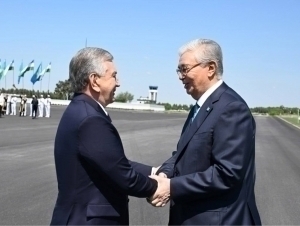
Earlier, Emomali Rahmon arrived in Tashkent on a state visit. He was welcomed at Tashkent International Airport by the President of Uzbekistan, Shavkat Mirziyoyev, and an official reception ceremony was held at the Kuksaroy residence.
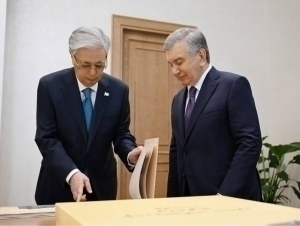
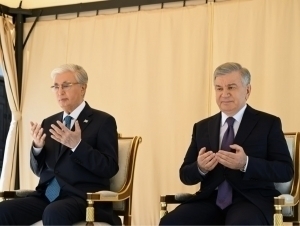
Later, the two leaders held talks in a narrow format and conducted the first meeting of the Supreme Interstate Council. They also took part in a ceremony to launch major cooperation projects and attended the signing and exchange of bilateral documents following the council meeting.
Live
All