108-hectare National Dendrology Park will be built in Tashkent
World
−
25 March 3270 2 minutes
A 108-hectare National Dendrology Park will be built in Tashkent. This was announced during a presentation on priority national projects in the field of ecology and environmental protection for 2026–2030, reviewed by President Shavkat Mirziyoyev on March 23 of this year.
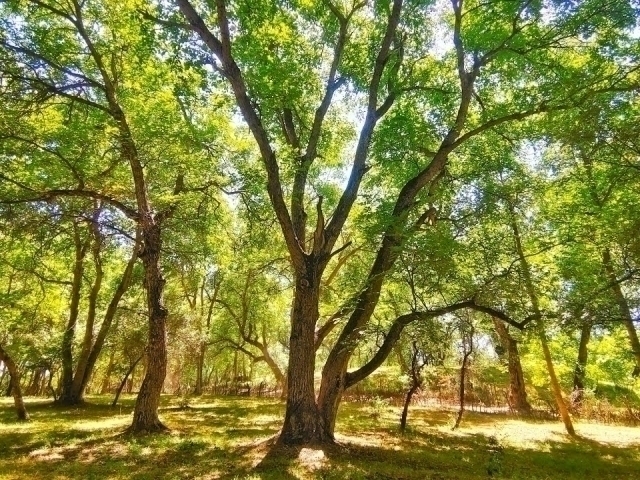
According to the report, the total area of the large green zone will cover 108 hectares. The project предусматривает the planting of 50,000 tree saplings and 100,000 shrubs. The park will serve to preserve biodiversity, improve air quality, increase carbon absorption, support scientific research and breeding activities, and enhance the city’s microclimate. It is expected to reduce air temperature by 2–4 degrees and increase humidity by 10–15 percent.
The National Dendrology Park will not only be a green space but will also be developed as a scientific, educational, and public area. It will include a “Trees of the World” section, plant collections representing six climate zones, fruit and native tree areas, a medicinal plant garden, greenhouses, flower gardens, recreational spaces, pedestrian and cycling paths, parking facilities, and a visitor reception area.
A one-hectare artificial lake will be created in the central part of the park, surrounded by a sakura garden. The park’s infrastructure will incorporate modern environmentally friendly technologies, including solar panels, benches and gazebos made from recycled materials, and an automated drip irrigation system. The site is expected to serve as a natural laboratory for the Central Asian University of Environmental and Climate Change (“Green University”) and as a center for ecotourism and environmental education for the public.
While botanical gardens focus on preserving and propagating rare plant species, dendrology parks function as scientific laboratories for adapting foreign and local tree species to regional climatic conditions.
Officials emphasize that this is not merely a landscape beautification project or the construction of another ordinary park. Rather, it is a vital initiative aimed at improving air quality in increasingly polluted urban areas and ensuring healthier living conditions for future generations. If fully implemented, these plans are expected to increase the country’s green coverage to 30 percent by 2030.
It is worth noting that earlier reports stated that, within the framework of the “Yashil Makon” project, Uzbekistan plans to establish an additional 12 botanical gardens and 16 dendrology parks. In this process, tree and shrub species will be selected based on the soil and climatic conditions of each region.

Live
All