Temperature inversion intensifying air pollution in Uzbekistan to persist until January 17
Local
−
08 January 4110 2 minutes
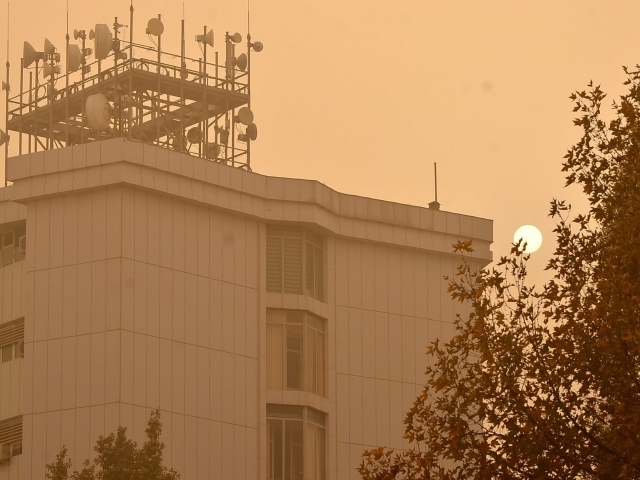
A temperature inversion that has intensified air pollution levels in Uzbekistan is expected to persist until January 16–17. This was reported by Iskandar Qutbiddinov, Deputy Chairman of the National Committee for Ecology and Climate Change.
According to the committee representative, the phenomenon is complicating the dispersion of pollutants in the atmosphere due to sharp differences between daytime and nighttime temperatures — in some cases reaching up to 14 degrees — as well as fog formation and reduced wind speeds.
It was emphasized that the Special Commission has not suspended its operations. Along with regularly informing the public about the environmental situation, it continues to coordinate the activities of relevant organizations.
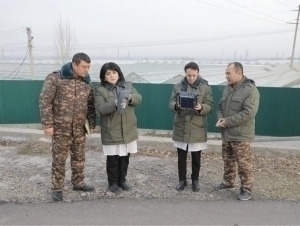
It was reported that the Special Commission is currently focusing on conducting environmental рейдлар (inspections) and control measures at industrial and economic facilities. To reduce the anthropogenic load on atmospheric air during unfavorable weather conditions, the operating capacity of some enterprises is being limited, while the activities of others have been temporarily suspended.
Between January 1 and 7, inspections were carried out at 12 industrial enterprises in Tashkent city and 22 enterprises in Tashkent region, with appropriate measures taken. Administrative penalties were also imposed on dozens of vehicles found to be contributing to air pollution.
“At the same time, preventive measures are also being implemented: monitoring of emission sources has been intensified, and atmospheric air quality is being rapidly assessed on an ongoing basis,” Qutbiddinov said.
According to expert analyses, unfavorable meteorological conditions are expected to continue until January 16–17. With the arrival of anticyclones, precipitation and increased wind speeds are expected to help normalize air quality.
Temperature inversion is described as a short-term and predictable meteorological phenomenon. During such periods, government agencies operate under an intensified regime, and proven measures are implemented to mitigate pollution.
It was also noted that environmental inspections and monitoring activities by the Special Commission will continue even after the inversion period ends. All measures being taken are aimed at minimizing emerging risks and ensuring environmental safety for the population.
For reference, as of 09:00 on January 8, the concentration of PM10 coarse particulate matter in Tashkent’s atmospheric air did not exceed permissible limits. However, PM2.5 fine particulate matter concentrations reached 101 µg/m³, exceeding the allowable standard of 60 µg/m³ by 1.7 times.

Live
All