El Niño may bring heavy rainfall to Central Asia – UN
Interesting
−
02 June 10740 3 minutes
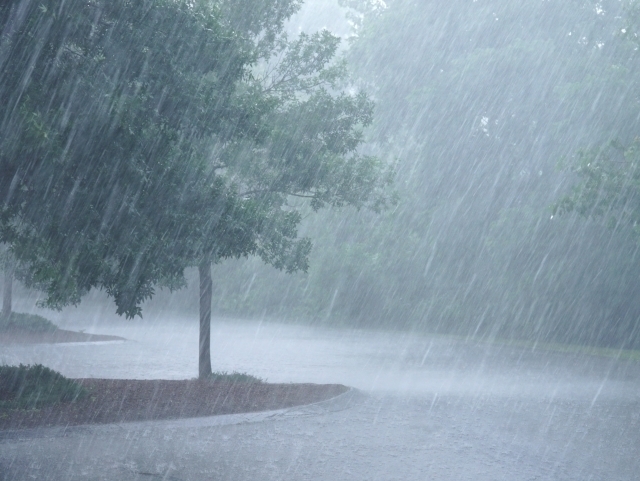
The UN’s meteorological agency has warned of a strong El Niño event that could raise temperatures and trigger extreme weather changes around the world in the coming months. The natural phenomenon may bring heavy rainfall to Central Asia, Reuters reported.
El Niño occurs when the steady winds that usually push warm waters westward across the Pacific Ocean weaken. As a result, heat builds up in the central and eastern parts of the ocean, altering the movement of air and moisture in the atmosphere and affecting weather worldwide, from torrential rains to droughts and abnormal heatwaves.
According to the World Meteorological Organization, warm ocean waters are already strengthening the development of El Niño. The WMO forecasts that temperatures will be above normal in most regions of the world from June to August this year. The organization estimates that El Niño may continue until November.
“We must prepare for a potentially strong El Niño event. It will intensify droughts and heavy rainfall, and increase the risk of abnormal heatwaves on land and in the ocean,” WMO Secretary-General Celeste Saulo said.
The previous El Niño was one of the factors that made 2024 the hottest year on record. A sharp rise in sea surface temperatures was recorded in the equatorial Pacific. According to the WMO, temperatures rose rapidly from late April to mid-May. An unusually large amount of heat has also accumulated beneath the ocean surface, with temperatures in some areas more than 6 degrees above normal.
“El Niño may increase rainfall in southern South America, the southern United States, parts of southern Africa and Central Asia. At the same time, the risk of drought will rise in Australia, Central America, Indonesia and parts of South Asia. The phenomenon may also intensify storms in the central and eastern Pacific,” the WMO said.
UN Secretary-General Antonio Guterres described the ongoing developments as an urgent climate warning.
“El Niño conditions add fuel to the fire of an already warming world. Countries must accelerate the transition from fossil fuels to renewable energy sources,” he said.
The WMO noted that there is currently no evidence that climate change is making El Niño more frequent or stronger. However, global warming may intensify its consequences, including extreme heat and heavy rainfall.
Earlier, it was reported that there is a very high probability that average global temperatures will reach record or near-record levels over the next five years. It was also reported that temperature anomalies in the Arctic are expected to be higher than the global average.

Live
All