Central Asia’s water crisis: What lies ahead?
Review
−
04 May 6329 11 minutes
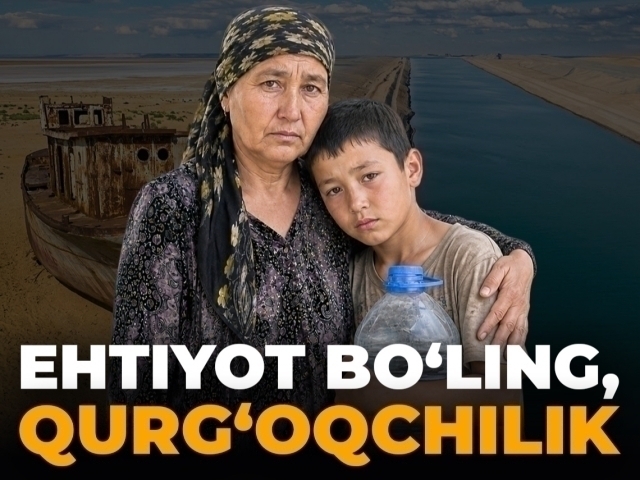
At a time when the world is competing for oil and gas reserves, the most critical resource for Central Asia, particularly Uzbekistan, is becoming drinking water. Efforts by regional states to control water routes, combined with environmental challenges driven by global warming and desertification, demographic growth, and industrial development, may lead to water shortages in the future. This is especially a serious signal for Uzbekistan, located at the heart of Central Asia, where the main sources of drinking water originate from rivers whose headwaters lie in neighboring countries.
According to experts, geopolitical complexities such as the Aral Sea environmental crisis, the Qoshtepa Canal, and the Rogun Hydropower Plant could further complicate the situation in the coming years. This article examines the causes of water scarcity in Central Asia, current challenges, and forecasts for the region’s future.
Causes of water scarcity
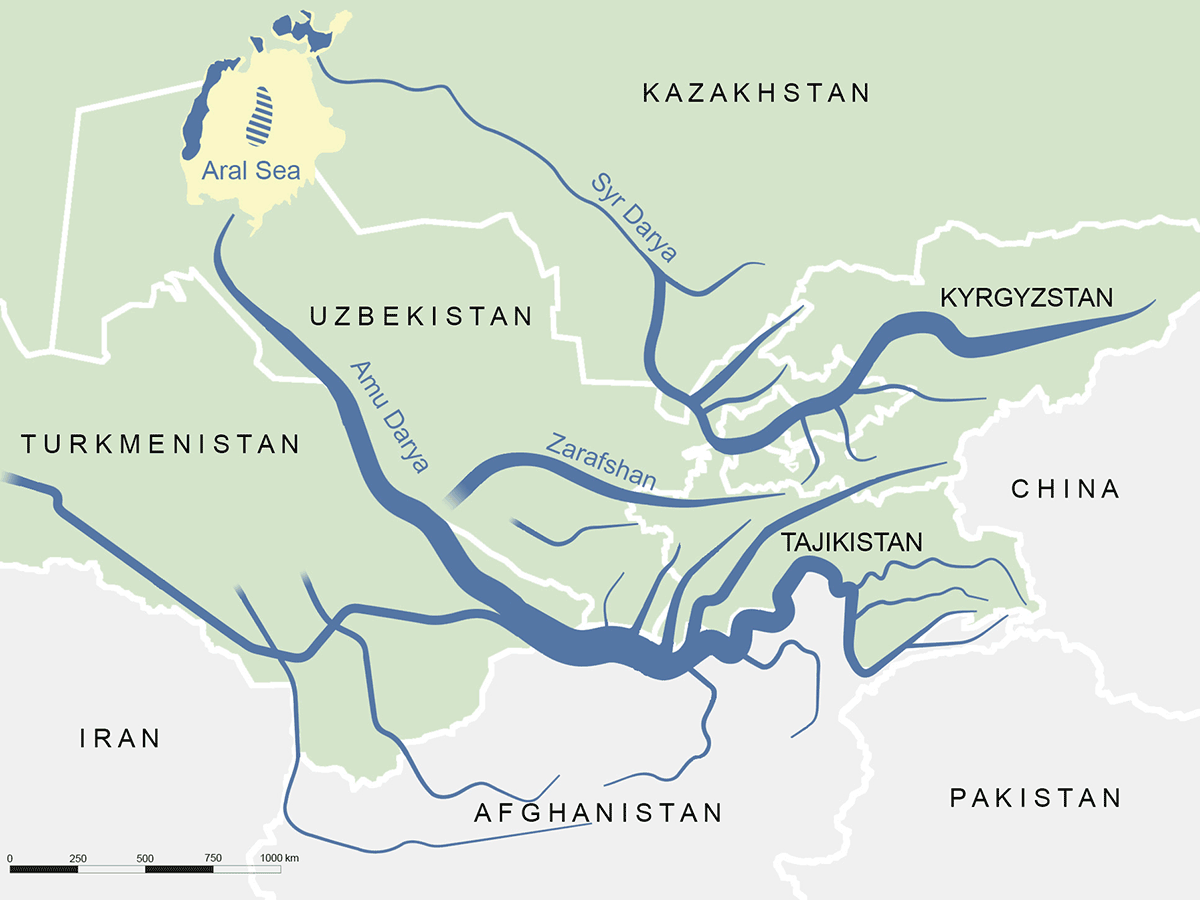
Central Asia is one of the regions where water resources are distributed most unevenly and is highly vulnerable to climate change. The two main rivers supplying water to the region, the Amu Darya and the Syr Darya, primarily originate in Tajikistan and Kyrgyzstan, while the majority of consumers live downstream in Uzbekistan, Turkmenistan, and Kazakhstan. This creates the potential for conflicts among the five countries over transboundary water resources. In these countries, where agriculture remains a key source of income, freshwater is arguably more valuable than oil. The shrinking of green areas, drying of lakes and other water bodies, and the health problems associated with desertification represent another dimension of the crisis. However, this ecological tension stems from a complex systemic crisis shaped by historical political decisions, economic models, and environmental changes. To understand the current situation, it is essential to examine its roots, particularly the water management model formed in the second half of the 20th century.
First and foremost, the main cause of the problem lies in the irrigation-based economic policy established during the Soviet era. Central Asia, including Uzbekistan, was specialized in cotton production, with vast areas of land forcibly allocated for its cultivation. Cotton is a highly water-intensive crop; on average, producing one kilogram of cotton fiber globally requires between 7,000 and 29,000 liters of water.
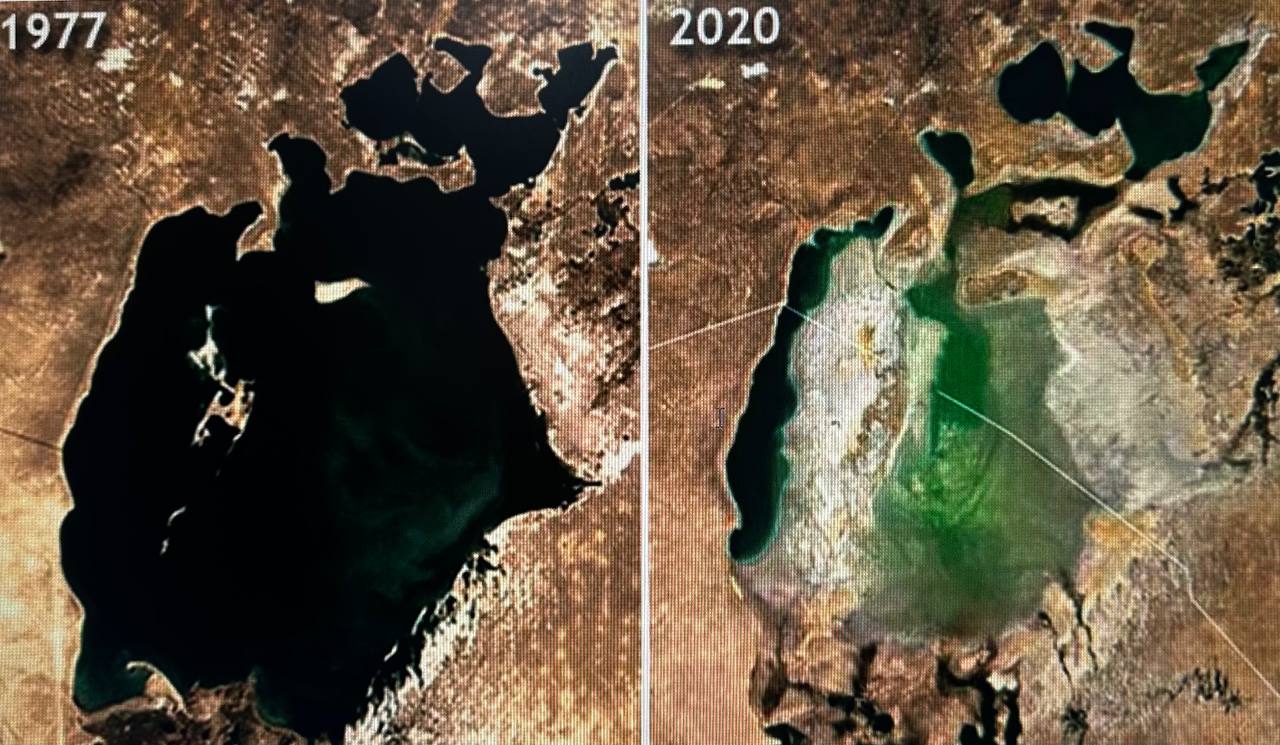
From the 1960s onward, a significant portion of the water from the Amu Darya and Syr Darya rivers was diverted for cotton production. Poorly maintained canals and hot climatic conditions caused much of the water to evaporate or seep into the ground before reaching crops. These changes significantly reduced freshwater flow and contributed to the shrinking of the sea. This led to one of the largest environmental disasters in history—the desiccation of the Aral Sea. As a result, the sea’s volume declined sharply, salinity increased, and the entire ecosystem collapsed. In particular, the extensive irrigation infrastructure built to support cotton production—canals, dams, and reservoirs—diverted large volumes of water away from the rivers that once fed the Aral Sea. Studies indicate that excessive water withdrawal reduced inflows to the sea dramatically, shrinking its area by 80–90 percent.
However, the problem is not confined to history; it continues today. A large share of water resources in Central Asia is still used in agriculture. The main issue is that irrigation systems are outdated and inefficient, with significant water losses due to evaporation and seepage in open canals. According to the Central Asia Regional Environmental Center (CAREC), up to 40 percent of water in some areas does not reach the fields. This further exacerbates water scarcity. A critical concern is that countries have yet to fully transition to water-saving technologies.
After independence, Central Asian states shifted from a unified Soviet system to separate national systems, intensifying transboundary water issues. Upstream countries tend to use water for energy production, while downstream countries require it for irrigation. This leads to conflicting interests. CAREC experts emphasize that the problem often stems not from water scarcity itself but from poor management, lack of coordination, and insufficient investment.
Another key factor is climate change. In recent decades, temperatures in Central Asia have risen faster than the global average, accelerating glacier melt. In the short term, this may increase water flow, creating an illusion of abundance, but in the long run, it reduces primary water sources. The shrinking of glaciers in the Pamir and Tien Shan mountains is expected to significantly decrease river flows in the future. According to the World Meteorological Organization’s “State of the Global Climate 2025” report, glaciers in the Pamir, Tien Shan, and Hindu Kush regions have melted rapidly in 2024–2025. This suggests that the region may face even more severe water shortages ahead.
Population growth is another important factor. As the population increases and urban areas expand, demand for water rises sharply. Without timely solutions, future generations in the region may face serious water scarcity.
In summary, the water crisis in Central Asia cannot be explained by a single cause. It is the result of the interaction between flawed historical policies, outdated infrastructure, governance shortcomings, climate change, and environmental degradation. The most concerning aspect is that these factors reinforce one another. Without stronger regional cooperation, technological modernization, and revised environmental policies, water scarcity could lead to economic crises and even geopolitical tensions.
Geopolitical complexities
Rogun Hydropower Plant
The Rogun Hydropower Plant, developed as part of Tajikistan’s pursuit of energy independence, is a megaproject under construction on the Vakhsh River, a tributary of the Amu Darya, in southern Tajikistan. It is expected to feature the world’s tallest embankment dam at 335 meters. Upon completion, the plant is planned to have six turbines with a total capacity of 3,600 MW and an annual production of 17.1 TWh of electricity.
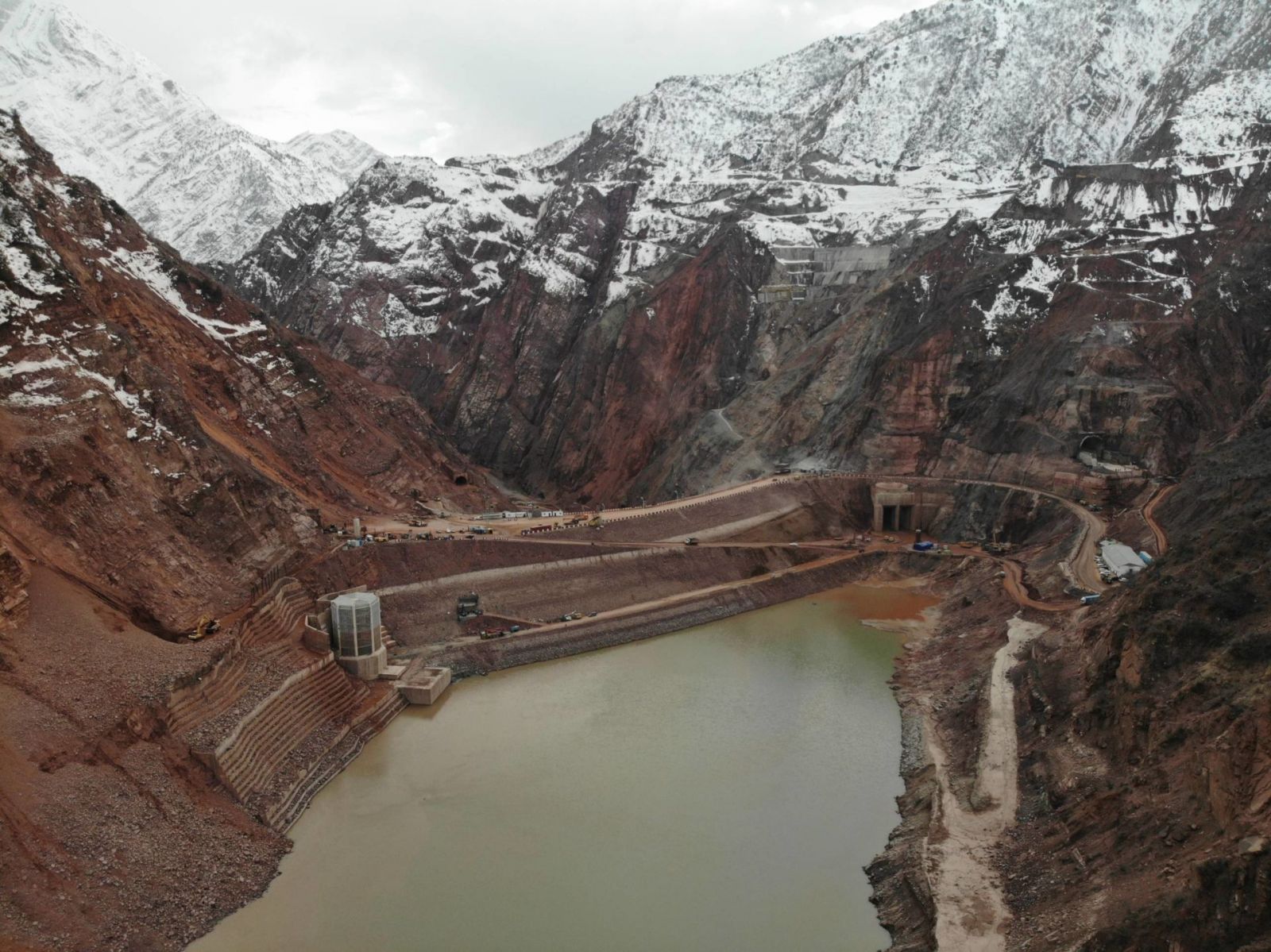
Construction began in 1976 but was repeatedly delayed due to funding shortages, a major flood in 1993, and the Tajik civil war between 1992 and 1997.
Megaprojects inevitably require massive funding. Russia, seeking to maintain its influence in the region, attempted several times to finance the project. One such attempt occurred in October 2004, when agreements were signed with several Russian companies, including RUSAL. During a visit to Dushanbe, President Vladimir Putin pledged that Russian companies would invest approximately $2 billion in Tajik projects. However, RUSAL did not fulfill all its commitments, and the Tajik parliament later annulled the agreement.
In May 2008, Tajikistan announced the resumption of dam construction. Gradually, other foreign investors were involved. In 2017, Tajikistan successfully issued $500 million in Eurobonds at a 7.1 percent rate to finance the project. On June 10, 2024, the Islamic Development Bank and the Government of Tajikistan signed agreements to provide $150 million in funding.
In August 2012, the World Bank concluded that the project was technically safe and economically viable but issued strict recommendations regarding dam height and regional water distribution.
Uzbekistan had previously expressed concerns about reduced water flow. Tensions over the dam disrupted economic and trade relations between the two countries. According to ResearchGate, water shortages could significantly damage Uzbekistan’s economy and affect hundreds of thousands of jobs. At times, the dispute escalated rhetorically, with reports that in 2012 former President Islam Karimov warned of potential conflict if construction continued.
Since 2017, however, Uzbekistan’s position has shifted from strong opposition to strategic cooperation. Tashkent has supported the project and, in July 2025, signed an agreement to purchase electricity generated at Rogun for 20 years.
Qoshtepa canal
Following the rise to power of the Taliban-led government in Afghanistan, a new player has entered the competition over regional water resources. The Qoshtepa Canal, under construction in northern Afghanistan, has become one of the most controversial projects with the potential to reshape hydropolitics in Central Asia. The canal is planned to stretch 285 kilometers and convert 550,000 hectares of desert into agricultural land. Interestingly, despite its scale, the project has not faced the financial difficulties typical of megaprojects, raising questions about how such a large initiative is being funded without significant external support.
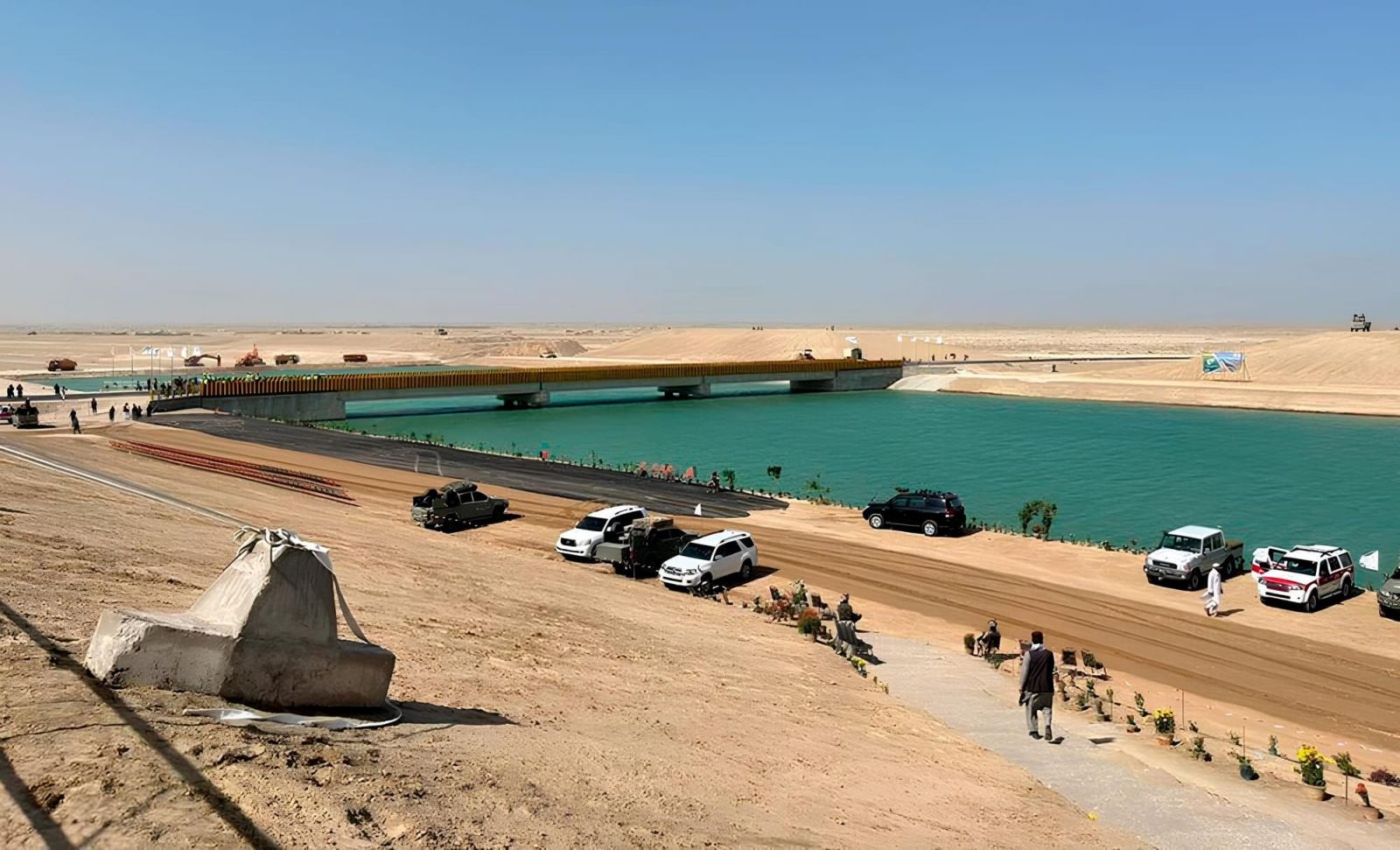
Regardless of its financing, construction is progressing rapidly. The main concern is the potential shift in the region’s water balance once the canal becomes operational. The canal draws water directly from the Amu Darya, an already heavily exploited transboundary resource. Estimates suggest that it could divert 10–20 percent of the river’s flow, posing serious challenges for downstream countries, particularly Uzbekistan and Turkmenistan.
From an environmental perspective, the project adds stress to an already fragile system. With the Aral Sea crisis still unresolved, further reductions in Amu Darya water could accelerate ecosystem degradation downstream. Reduced water flow contributes to soil salinization, biodiversity loss, and microclimatic changes, particularly in Karakalpakstan, where environmental conditions are already critical.
For Uzbekistan, reduced water flow from the Amu Darya is both an environmental and economic issue. Insufficient irrigation water threatens agricultural production, including key export crops such as cotton and wheat, affecting both international trade and domestic prices. This could undermine economic stability.
Another critical aspect is energy security. Reduced water levels in the Amu Darya basin could indirectly impact hydropower generation. Given that hydropower accounts for 7–9 percent of the country’s electricity production, the canal’s operation may delay efforts to address electricity shortages in rural areas. Analysts at the Carnegie Endowment note that water resources in the region have already become a political instrument, and the Qoshtepa Canal may accelerate this trend.
Legally, the situation is complex. Taliban-led Afghanistan is not a party to Soviet-era water-sharing agreements on the Amu Darya. Agreements such as the 1992 Almaty Accord do not include Afghanistan, meaning that de facto usage prevails over formal obligations. While international water law promotes the principle of “reasonable and equitable use,” enforcement mechanisms remain weak.
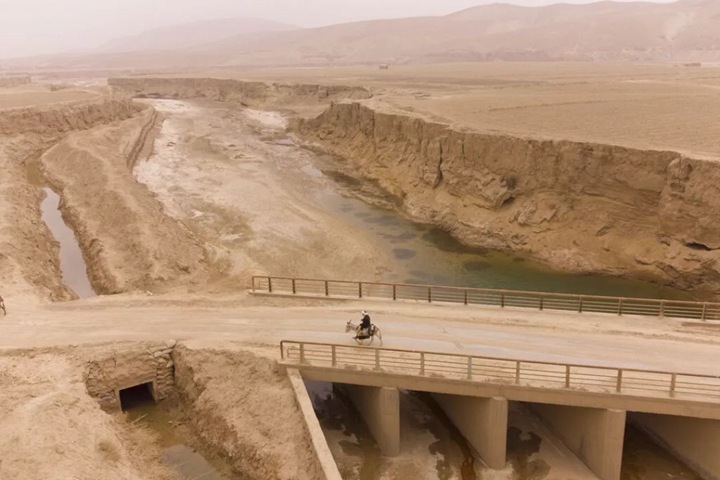
The problem is not only about water volume. CABAR.asia highlights concerns about construction quality, noting that large amounts of water could seep into sandy soil, leading to inefficient resource use. Such infrastructure weaknesses may further complicate regional water challenges.
What lies ahead this summer?
Central Asia, once described by Marco Polo as a land of fertile valleys and rich pastures, now faces the threat of desertification. Analysts from the Caspian Policy Center emphasize that the region’s future is increasingly tied to escalating ecological and water crises. Climate change, glacier melt, and uneven water distribution are already placing significant pressure on the region.
One of the main drivers is growing internal and external pressure on water resources. The Qoshtepa Canal in Afghanistan could significantly reduce the flow of the Amu Darya. At the same time, China’s increased water withdrawals from the Ili and Irtysh rivers and Russia’s management of the Volga River, which affects the Caspian Sea level, are further disrupting the regional water balance.
Climate change remains a key factor. While glacier melt may temporarily increase water availability, it ultimately reduces long-term supply, leading to instability. This affects not only agriculture but also energy systems, as declining reservoir levels have already caused electricity shortages in some countries.
The summer of 2026 may mark the beginning of more acute challenges. Rising temperatures and reduced precipitation are expected to increase water demand significantly. For economies dependent on irrigated agriculture, this poses a serious risk. Without effective water management, declining crop yields, rising food prices, and increased social pressure are likely. According to analysis based on data reportedly shared by former acting Foreign Minister Vladimir Norov and cited by researcher Otabek Akromov, the Amu Darya may operate at only 65 percent of its usual flow this summer. In the Syr Darya basin, a deficit of 3.2 billion cubic meters of water has already emerged before the peak growing season. Kazakhstan could face a shortfall of 1 billion cubic meters for irrigation, while Uzbekistan’s harvest is at risk.
At the same time, Kyrgyzstan and Tajikistan are compelled to retain water for winter energy needs, while downstream countries require it immediately. This creates a zero-sum situation in which all sides may lose.
Nevertheless, analysts see an opportunity for increased cooperation among Central Asian states. Joint water management, adoption of modern irrigation technologies, and water-saving policies could help ensure sustainable development. Expanding renewable energy projects may also reduce pressure on water resources.
In conclusion, Central Asia’s future depends on how it manages its water resources. Beyond political considerations, individual responsibility also matters. Today, artificially low water prices encourage wasteful consumption, but the long-term consequences could be severe. Conserving water is not just a policy issue—it is a necessity for future generations.

Live
All