Markaziy Osiyo aholisi 2040 yilga borib 96 millionga yetishi mumkin
Olam
−
25 fevral 3399 3 daqiqa

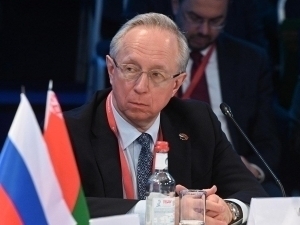
2040 yilga borib Markaziy Osiyo aholisi 96 million kishiga yetishi mumkin. Bu esa infratuzilmaga katta bosim keltirib chiqaradi, shu sababli mintaqada energiya samaradorligi, suv resurslarini boshqarish va transport sohalarida keskin o‘sish zarur. Bu haqda Yevroosiyo taraqqiyot banki boshqaruvi raisi Nikolay Podguzov TASSga bergan intervyusida ma’lum qildi.
“Bizning baholashlarimizga ko‘ra, 2040 yilga borib Markaziy Osiyo aholisi 96 million kishiga yetishi mumkin. Bu iqtisodiyot uchun drayver bo‘lishi kerak, biroq shu bilan birga bu raqam infratuzilmaga juda katta yuklama demakdir. Qulay rivojlanish uchun energiya samaradorligi, zamonaviy mobil transport va suv resurslarini boshqarishda jadal o‘sish zarur”, deydi Podguzov.
U mintaqa iqlim o‘zgarishlariga eng zaif hududlardan biri ekanini qayd etgan.
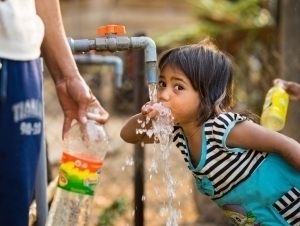
“Taxminlarga ko‘ra, suv tanqisligi ortib boradi va 2028 yilga borib yiliga 5–12 kub kilometrni tashkil etishi mumkin”, deydi u.
Shuningdek, Podguzovning aytishicha, mintaqada suv resurslarining sezilarli qismi eskirgan infratuzilma sababli yo‘qotilmoqda. YeOTB sug‘orish tizimlarini modernizatsiya qilish, suvni tejovchi texnologiyalarni joriy etish va suv hisobini raqamlashtirish loyihalarini moliyalashtirishda ishtirok etmoqda.
Podguzov geografik omilning mintaqa rivojlanishiga ta’sirini ham qayd etgan.
“Mintaqa okeandan 3 ming kilometrdan ortiq uzoqda joylashgan. Shu sababli savdo 20–40 foizga qimmatlashadi, iqtisodiyot esa har yili 1,5 foiz punktgacha o‘sishdan mahrum bo‘ladi. Bu o‘ziga xos “masofa solig‘i”dir”, deydi bank rahbari.
Uning fikricha, bu muammoni faqat transport tizimini yaxshilash orqali hal qilish mumkin.
“Shu bois YeOTB Yevroosiyo transport karkasi konsepsiyasini taklif qildi – bu logistika xarajatlarini kamaytirib, savdoni tezlashtiradigan transport yo‘laklari tarmog‘idir. Hozir transport yo‘nalishlari asosan sharqdan g‘arbga qarab yo‘nalgan. Ammo shimol–janub yo‘nalishi va istiqboldagi Transafg‘on yo‘lagi ham muhim. Ular mintaqa uchun Janubiy Osiyo va Fors ko‘rfazi bozorlarini ochadi”, deydi Podguzov.
Uning ta’kidlashicha, Markaziy Osiyo dunyodagi eng tez o‘sayotgan mintaqalardan biridir. 2026 yilda YeOTB mintaqaning besh davlati umumiy iqtisodiyoti 600 milliard dollarga yetishini kutmoqda.
“Biroq oldinga siljish va yirik natijalarga erishish uchun avvalo mintaqa oldidagi chaqiriqlarga – demografiya, transport va suv ta’minotiga qanday javob berishni tushunish kerak. Bu uch omil bir-biri bilan chambarchas bog‘liq”, deydi bank rahbari.
UNICEF ma’lumotlariga ko‘ra, 2025 yilda mintaqa aholisi 84 milliondan oshgan.
Ma’lumot uchun, Yevroosiyo taraqqiyot banki 2006 yilda Rossiya va Qozog‘iston tashabbusi bilan tashkil etilgan. Uning bosh qarorgohi Qozog‘istonning Olmaota shahrida joylashgan.
YeOTB – Armaniston, Belarus, Qozog‘iston, Qirg‘iziston, Rossiya va Tojikiston kabi a’zo davlatlar o‘rtasida iqtisodiy aloqalarni kengaytirish va har tomonlama rivojlanishni qo‘llab-quvvatlash maqsadida Yevroosiyoda investitsiya faoliyatini amalga oshiruvchi xalqaro moliyaviy tashkilotdir. O‘zbekiston Yevroosiyo taraqqiyot bankiga 2025 yilda a’zo bo‘lgan.
Eslatib o‘tamiz, avvalroq 2028 yilga borib Markaziy Osiyo suv tanqisligining surunkali bosqichiga o‘tishi haqida xabar berilgan edi.
Live
Barchasi