Ghibli-style portraits: Harmless fun or privacy threat?
Interesting
−
16 April 17903 4 minutes
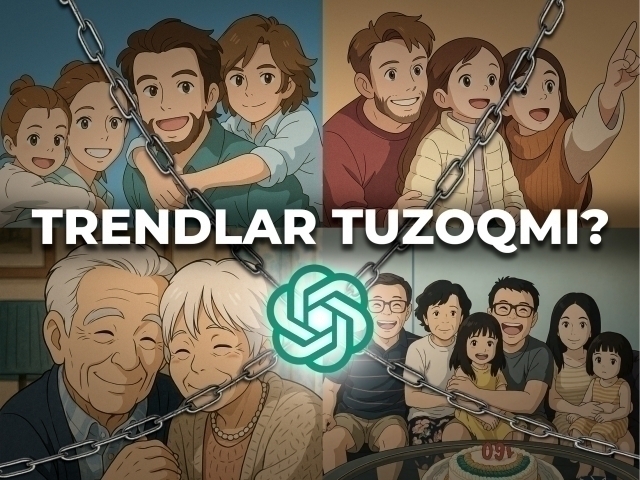
Changing photos into the "Ghibli style" using artificial intelligence (AI) has recently become a global sensation on social networks. However, concerns about data privacy have emerged, with reports from international media warning that AI may exploit this trend to collect personal data. Allegedly, while users create stylized portraits, AI platforms collect high-quality visual data under the pretext of processing, potentially bypassing legal restrictions. Privacy experts caution that participation in such trends could have significant consequences.
What is the Ghibli Trend and Why Is It Controversial?

The trend of transforming personal photos into the Ghibli style, inspired by Japanese animator Hayao Miyazaki, gained immense popularity for its artistic appeal. Yet, the viral trend has drawn criticism from digital privacy advocates who are concerned about the possibility of OpenAI and other companies collecting user data under the guise of entertainment. Critics argue that many users are unknowingly providing valuable data voluntarily without fully understanding the implications.
How Are These Images Used?
At the center of the controversy is the question of whether companies like OpenAI use viral trends like Ghibli-style generators to amass free, high-quality visual data to train AI models. While collecting images from the internet typically involves legal safeguards under regulations like the EU’s GDPR, uploaded images bypass these barriers as they are submitted with user consent.

Privacy expert Louise Jarovsky explains, “When people upload their images, they give OpenAI explicit consent to process them. This provides more freedom to the company and removes the need for the ‘legitimate interest’ balancing test.”
AI companies receive valuable original and modified images uploaded by users, which can be stored and analyzed for purposes beyond what users anticipate.
Why Visual Data Matters for AI Development

Visual data plays a critical role in advancing AI capabilities. Meta’s Chief AI Officer Yann LeCun has emphasized the need for AI systems to understand the complexities of the real world, not just text, to achieve human-level intelligence. Experts now speculate that trends like Ghibli-style editing may serve as a strategic method for collecting visual data on a massive scale.
The Ghibli trend is not the first instance of viral AI tools raising concerns. Similar cases include Lensa’s “Magic Avatars” and FaceApp’s aging filter, both of which faced scrutiny over privacy policies allowing uploaded images to be stored indefinitely. These situations highlight a recurring risk: users voluntarily provide datasets that are ideal for AI training, often unaware of how their data is processed and used.
What Does ChatGPT Say About This Controversy?
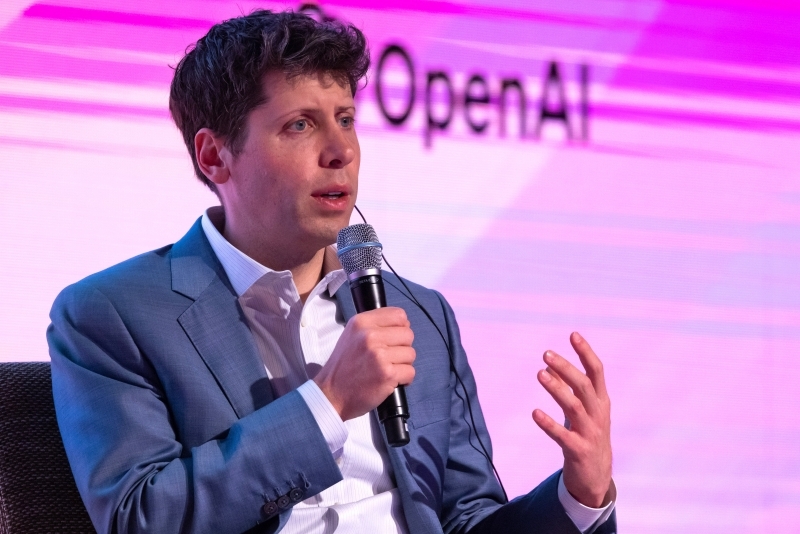
ChatGPT, a product of OpenAI, acknowledges that the debate is multifaceted. It emphasizes the importance of visual data for training advanced AI models, explaining that tools like Ghibli generators help develop human-like capabilities such as face recognition and emotion analysis. However, it admits that these processes often lack transparency, and users might not fully understand the implications of consenting to such trends.
The AI model notes that while the approach is not outright fraud, it represents a form of unconscious manipulation where users are unaware of the broader implications of their participation.
Applications of Uploaded Images

The images collected through such trends serve multiple purposes in AI development:
- Training Models: Uploaded images help AI systems learn facial structures, expressions, and diversity in human features.
- Multimodal AI Development: Images are integrated with text-based data to deepen contextual analysis.
- Behavior Prediction: User images reveal details about age, mood, environment, and preferences, which can inform tailored content or advertising strategies.
- Deepfake and Avatar Creation: AI systems can potentially recreate users’ faces digitally, opening avenues for virtual identities.
- Generative Art Improvement: Visual data enhances AI’s ability to produce realistic and aesthetic artistic outputs.

OpenAI has consistently stated that user data is not utilized for advertising, profiling, or sale, but rather for service improvement and research. However, concerns remain about the extent of data usage under the umbrella of "service improvement."

Live
All