Yilning 4-urushi – Pokiston Afg‘onistonni “tozalash”ga kirishdi – Weekend
Tahlil
−
12 Oktabr 2025 17095 10 daqiqa
Hafta oxiriga kelib 2025 yildagi navbatdagi urush alanga olish arafasida turibdi. "Estafeta tayoqachasi"ni “Tolibon” va Pokiston qabul qilib oldi.
G‘azoda tinchlikning ilk manzaralari bo‘y ko‘rsatmoqda. Ammo bu manzaralarning asosiy qismi vayronalardir. Misrda esa G‘azo bo‘yicha kelishuv fonida halokatli hodisa ro‘y berdi. Tramp Nobel mukofotidan quruq qoldi. Lekin bu keyinchalik AQSHning Venesuelaga bostirib kirishi uchun ta’sir qilish ehtimoli borligidan ko‘pchilik xavotir olmoqda.
Qozog‘iston Rossiya ustidan shikoyat qilmoqchi. Muammo Moskvaning barcha uchun belgilangan majburiyatlarni bajarmayotganida. Ortda qolgan hafta davomida dunyoda ro‘y bergan muhim voqea-hodisalar tafsiloti bilan QALAMPIR.UZ’ning Weekend dasturida tanishing.
Yana yangi urush
9 oktyabr kuni kechqurun Afg‘oniston poytaxti Qobulda va mamlakat sharqidagi Paktika viloyatida portlashlar sodir bo‘ldi. Ertasi kuni “Tolibon” mudofaa vazirligi bunda Pokistonni aybladi. Bu orada Pokistonning asosiy dushmani Hindiston rasmiylari bilan muzokaralar o‘tkazayotgan “Tolibon” tashqi ishlar vaziri Amir Xon Muttaqiy Islomobodni “afg‘onlarning sabr-toqatini sinovdan o‘tkazmaslik va ular bilan o‘ynashmaslik” haqida ogohlantirdi. Ushbu havo zarbalari esa Afg‘onistondagi “Tehrik va Tolibon Pokiston” terrorchi guruhlarining ob’ektlariga berilgani haqida xabarlar tarqaldi. Islomobod “Tolibon”ni uzoq vaqtdan beri mazkur guruh jangarilariga boshpana berishni to‘xtatishga chaqirib keladi. Chunki 2021 yildan beri TTP jangarilari Pokiston hududida yuzlab xavfsizlik kuchlarini o‘ldirgan. So‘nggi oylarda Pokistonning shimoli-g‘arbiy qismida TTP hujumlari ko‘paygan va Pokiston hukumati sabr-toqati tugaganini e’lon qilgandi. Mudofaa vaziri Xavaja Asif bir kun avval “sabrimiz tugadi” dedi va Pokiston o‘zini himoya qilish, jumladan, Afg‘oniston hududida zarur choralarni ko‘rish huquqini saqlab qolishini ta’kidladi.
11 oktyabr oqshomiga kelib, Afg‘oniston va Pokiston chegarasida shiddatli qurolli to‘qnashuvlar boshlandi. “Tolo News” nashri Afg‘onistonning Hilmand, Xost va Nangarhor viloyatlariga havo hujumlari uyushtirilgani haqida xabar berdi. To‘qnashuvlar taxminan 2600 kilometr uzunlikdagi Afg‘oniston-Pokiston chegarasining muhim qismini qamrab olgan. Afg‘oniston manbasiga ko‘ra, janglar butun Durand chizig‘i bo‘ylab – Afg‘oniston bilan chegaradosh yetti viloyatda (jumladan, Kunar, Nangarhor, Paktiya, Xost, Paktika, Hilmand va Qandahor) davom etmoqda. Ayni vaqtda afg‘on qo‘shinlari ham Pokistonning bir qancha hududlariga hujum uyushtirgan. Xaybar viloyatining janubi-g‘arbiy qismida,
Balujiston viloyatining Barmcha tumanidagi chegara postlari hujumga uchragan. Shu tahlitda qurolli to‘qnashuvlar shimoldan janubga ham ko‘chgan.
Ayni damda qurbonlar soni oshib bormoqda. Afg‘onistonning “Tolo News” portaliga ko‘ra, otishmalarda kamida besh Pokiston askari halok bo‘lgan, yana ikki nafari yaralangan. Tolibon rasmiylari esa halok bo‘lgan pokistonliklarning sonini 60 ga yaqin, demoqda. Pokistonning bir necha harbiy texnikasi va infratuzilmasi vayron qilingan. “Tolibon”, shuningdek, Pokistonning bir necha chegara postlarini qo‘lga olganini ham da’vo qilmoqda. Pokiston tomoni esa o‘z kuchlariga jiddiy zarar yetkazilganini rad etib, hujumni qaytarishda muvaffaqiyat qozonganini iddao qilyapti. Davlat telekanalining harbiy rasmiylarga tayanib xabar berishicha, Pokiston armiyasi o‘qqa tutilgan 19 ta afg‘on chegara postini o‘z nazoratiga olgan. Islomobodga ko‘ra, qo‘lga olingan bu postlarda “Tolibon” askarlari joylashgan, ba’zilari halok bo‘ldi, qolganlari orqaga chekingan. Pokiston harbiylari, shuningdek, bir necha afg‘on chegara postlari vayron qilinganini va hujumchi kuchlar orasida “katta yo‘qotishlar” bo‘lganini da’vo qilmoqda.
Hozirda Islomobod to‘qnashuvlarga sabab bo‘lgan 9 oktyabr tunidagi Qobulga hujumni tan olgani yo‘q. Ular “Tolibon”ga, asosan, Hindiston taqdirini eslatish bilan tahdid qilmoqda. Pokiston armiyasi matbuot kotibi Ahmad Sharif Choudri matbuot savollariga javob berar ekan, u Afg‘oniston Pokistonga qarshi terrorchilik bazasiga aylanganini ta’kidlab, armiya fuqarolarni himoya qilish uchun zarur choralarni ko‘rish huquqiga ega ekanini ta’kidladi. Pokiston Tashqi ishlar vazirligi, o‘z navbatida, Qobulni va’dalarini bajarishga va TTP jangarilariga boshpana bermaslikka chaqirdi, uning ta’kidlashicha, aks holda Islomobod o‘zini himoya qilishda qat’iy qadamlar tashlashda davom etadi. Aslida bunday talab “Tolibon”ga butun dunyo, jumladan, O‘zbekiston tomonidan ham qo‘yib kelinadi. Lekin 4 yildan buyon Afg‘oniston ko‘p ehtimol bilan terrorchilar uchun “ona qorni” vazifasini o‘tashda davo etmoqda. Bunda esa ko‘pchilik “Tolibon”ni ayblaydi.
Ayni damda, Eron Tashqi ishlar vaziri Abbos Aroqchi Afg‘oniston va Pokistonni zudlik bilan o‘t ochishni to‘xtatishga va ikki davlat o‘rtasidagi barqarorlik butun mintaqa manfaatlariga mos kelishini ta’kidladi. Vazirlik matbuot kotibi Ismoil Bag‘ay Tehron ikki o‘rtada vositachilik qilishga tayyorligini ma’lum qildi. Bu sharoitda esa ko‘pchilikni Saudiya Arabistoni tutgan pozitsiya qiziqtirmoqda. Chunki yaqindagina Ar-Riyod va Islomobod bir-birini tashqi hujumdan mudofaa qilish bo‘yicha pakt imzolagandi. Ammo hozirda harbiy va moddiy yordamdan darak yo‘q. Podshohlik shunchaki voqealar rivojidan jiddiy xavotir bildirdi. Ar-Riyod tomonlarni “bosiqlikni saqlashga, mojaroning avj olishiga yo‘l qo‘ymaslikka, muloqot va donolikka qaytishga” chaqirib, muammoni tinch yo‘l bilan hal qilish yo‘lidagi har qanday sa’y-harakatlarni qo‘llab-quvvatlashini hamda “birodar Pokiston va Afg‘oniston xalqlari” xavfsizligi va farovonligiga sodiqligini ta’kidladi. Qatar va boshqa mamlakatlar ham deyarli shunday pozitsiyada.
Vayronalar ustidagi sokinlik – G‘azo
Isroil o‘z qo‘shinlarini G‘azo sektorining deyarli yarmidan olib chiqqach, sektordagi falastinliklar yer bilan yakson qilingan hamda vayronalardan bo‘lak hech vaqo qolmagan uylariga qaytishmoqda. Qisqa vaqt ichida sektor ichidagi ko‘chishlar soni 300 mingga yaqinlashdi. Bugun G‘azoda yashash uchun yaroqli hudud topish qiyin, ammo endi eng muhimi – hudud tinch. To‘g‘ri kelishuv kuchga kirishi bilan darhol o‘q ovozlari to‘xtamadi. Lekin keyinchalik vayronalar ustida sokinlik hukmron bo‘la boshladi. Odamlar o‘z uylariga qaytishga kirishdi. Ikki yillik genotsiddan omon qolgan ayollar, bolalar, qariyalar, oila boshlariga umid qaytgan. Ammo Isroilning 2 yillik bosqinidan so‘ng, sektordagi asosiy transport turiga aylangan aravalarda qaytayotgan jajji qizaloq va bolakaylarning kulgusi esa uzoqqa cho‘zilishi noma’lum. Bu ayni damdagi eng og‘riqli masala.
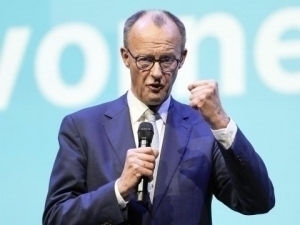
Trampning 21 bandlik tinchlik rejasiga uzil-kesil erishish uchun esa yana biroz vaqt kerak. So‘nggi kunlarda ba’zi kelishmovchiliklar bilan Misrdagi dastlabki sulh bandlari amalga oshirib kelinmoqda. Bu orada Trampning kuyovi Jared Kushner, maxsus elchi Stiv Uitkoff va boshqalar Isroilga kelib, Netanyaxu bilan ko‘rishishga ham ulgurdi. Yaqin soatlarda endi Trampning tashrifi ham kutilmoqda. U dastlab, Isroil parlamenti Knessetda nutq so‘zlaydi, so‘ngra, Misrga yo‘l oladi. Chunki 13 oktyabr kuni u yerda dunyo liderlari to‘planadi. Makron, Mers, Erdo‘g‘an va boshqalar Misrga G‘azo bo‘yicha sulhning asosiy qismida ishtirok etish uchun tashrif buyurishi aytildi. AQSH Prezidenti ham o‘sha yerda bo‘ladi. Sektor taqdiri aynan 13 oktyabrda belgilanadi. HAMAS esa garovdagi isroilliklarni topshirishga tayyorligini ma’lum qildi. Xullas, bir qarashda hammasi haldek ko‘rinishi mumkin. Ammo ko‘pchilik Isroilning mazkur kelishuvga amal qilishiga shubha bilan qaramoqda. Masalan, Eron rasmiylari buni ochiqchasiga ta’kidladi.
Uzil-kesil sulhdan so‘ng esa, G‘azo kelajagi qanday shakllanishi bo‘yicha ba’zi taxmin va kutilmalar mavjud. Masalan, HAMAS rasmiylari barchasi Tramp rejasida belgilanganidek ketsa, guruh sektordagi boshqaruvni tark etishini ma’lum qilgani aytilmoqda. Isroil esa G‘azodagi HAMASga tegishli tunellarni to‘liq vayron qilishini e’lon qildi. G‘azodagi falastinliklar ustida boshqaruv esa Tramp rejasida bayon etilganidek, xalqaro doiraga ko‘chadi. Ya’ni, Toni Bler yoki boshqa biron-bir nomzodning qo‘l ostidagi maxsus kengash sektorni 5 yil davomida boshqaradi. Ular G‘azo ustidan to Falastin davlati tuzilguniga qadar o‘z boshqaruvini o‘rnatadi. Tramp rejasining eng so‘nggi qismida esa ozod Falastin davlati tuzilishi kerak.
Nobel Trampga “yo‘q” dedi
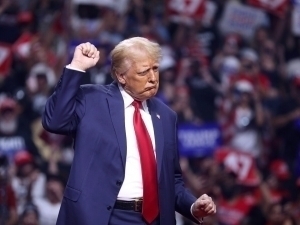
Tramp yil boshidan buyon harakat qilib kelgan Tinchlik bo‘yicha Nobel mukofotidan quruq qoldi. U mazkur bir parcha temir bo‘lagi uchun shu qadar kurashgandiki, hatto G‘azo bo‘yicha tinchlik sulhining birinchi bosqichi mukofot e’lon qilinishidan bir kun oldin o‘tkazildi. Tramp o‘zini bu sovringa haddan ortiq loyiq ko‘rgani ortidan 8 ta urushni tugatganini da’vo qilib kelardi. Ammo yakunda 2025 yildagi Tinchlik bo‘yicha Nobel mukofoti Venesuela siyosatchisi Mariya Korina Machadoga berildi. Machado Maduro rejiming asosiy dushmani hisoblanadi. U ushbu mukofotni ham aynan Venesuelaning diktaturadan demokratiyaga adolatli va tinch yo‘l bilan o‘tish uchun kurashda muhim hissa qo‘shgani uchun olgani takidlandi. Ammo Venesuelada hali ham diktatura va Machado Nikolas Maduroni ag‘dara olmagan. Umuman olganda, Venesueladagi bu urinishlarning barchasi samarasiz. Chunki u yerda saylovning o‘zi erkin emas. Shunday bo‘lishiga qaramay, Nobel unga nasib etdi.
Umuman olganda esa, muxolifatchilarning faoliyati bu mukofotga mazmunan loyiq-mi, degan savol o‘rinli. Chunki tinchlik va siyosat o‘rtasidagi bog‘liqlikka turli nuqtalardan qarash mumkin. Masalan, Machadoning faoliyati tinchlikning mohiyatiga qanchalik to‘g‘ri kelishi ham so‘roq ostida. Shu bois, mukofot haqidagi e’londan ko‘p o‘tmay, Tramp ma’muriyati tomonidan bildirilgan salbiy munosabatda jon bor, deyish mumkin. Ya’ni Nobel qo‘mitasi tinchlikdan ko‘ra siyosatni ustun qo‘ydi. Putin va Lukshenko kabilar ham Nobel qo‘mitasini tanqid qilib, bu mukofotga bu yil faqat Tramp loyiq bo‘lganini Tojikistonda turib aytishdi. 10 oktyabr kuni esa AQSH Prezidenti Donald Tramp va Mariya Korina Machado o‘zaro suhbatlashib, venesuelalik siyosatchi bu mukofotni Trampga bag‘ishlaganini bildirgan.
“Nobel mukofotini olgan inson bugun menga qo‘ng‘iroq qildi va: “Men bu mukofotni sizning sharafingizga qabul qilyapman, chunki siz haqiqatan ham bu mukofotga munosib edingiz”, dedi. Juda yoqimli ish. Men unga: “Unda menga ber”, demadim, garchi u shunday qilsa ham bo‘lardi, deb o‘ylayman. Men uni qo‘llab-quvvatlab kelganman. Venesuelaga juda katta yordam kerak, bu haqiqiy fojia. Shuningdek, aytish mumkinki, bu 2024 yil uchun berilgan, men esa 2024 yilda saylovda kurashayotgandim”, dedi u.
Qizig‘i, Tramp ma’muriyatidagi ko‘plab rasmiylar ilgari Machadoni qo‘llab-quvvatlagan. AQSH Prezidentining o‘zi ham shaxsan uni tarmoqdagi sahifalarida iliq so‘zlar bilan maqtagan.
Qozog‘iston Rossiyadan shikoyat qilyapti
Qozog‘iston hukumati Rossiya bilan chegaradagi navbatlar va Rossiya migratsiya qonunchiligidagi o‘zgarishlar tufayli yuzaga kelgan qiyinchiliklar bo‘yicha Yevroosiyo iqtisodiy komissiyasiga (YeIK) murojaat yubordi. Ma’lum qilinishicha, Ostona yuzaga kelgan vaziyatni “tashqi savdoga to‘sqinlik qiluvchi to‘siq” deb e’tirof etmoqchi. Masala joriy yilning 13 oktyabr kuni YeIK yig‘ilishida, shuningdek, 7 noyabr kuni Qozog‘iston va Rossiya o‘rtasidagi Hukumatlararo hamkorlik komissiyasi majlisida ko‘rib chiqiladi. Bayonotning asosiy qismi chet ellik fuqarolarning Rossiyaga kirish-chiqish qoidalaridagi yangi tartiblarga bag‘ishlangan. Amaldagi qonunga ko‘ra, endi mamlakat hududida ro‘yxatdan o‘tmasdan bir yil ichida 90 kundan ortiq qolish mumkin emas – kirish va chiqish sonidan qat’i nazar. Ilgari bu muddat 180 kun edi.
Mazkur cheklovlar xalqaro tashuvlar bilan shug‘ullanuvchi haydovchilarga ham tatbiq etiladi. Bundan tashqari, bu muddat Rossiya va Belarus uchun umumiy tarzda hisoblanadi. Qozog‘iston hukumatining eslatishicha, mamlakatda bu boradagi qoidalar ancha yumshoq: chet elliklar ro‘yxatdan o‘tmasdan olti oy davomida 90 kungacha bo‘lishi mumkin. Bu cheklov xalqaro yuk va yo‘lovchi tashish bilan shug‘ullanuvchi haydovchilarga tatbiq etilmaydi. Bu me’yorlar xalqaro amaliyotga to‘liq mos keladi. Majlis (parlament) deputati Bolatbek Najmetdinulining so‘zlariga ko‘ra, Rossiyaning yangi qoidalari nafaqat xalqaro tashuvchilarni, balki Yevroosiyo iqtisodiy ittifoqi doirasida faoliyat yurituvchi haydovchilarni ham qamrab olgan.
Uning aytishicha, ko‘plab haydovchilar allaqachon ruxsat etilgan qolish muddatini tugatgan va ishga qaytish uchun yangi yilni kutishga majbur. 90 kunlik muddatni oshirib yuborgan ayrim haydovchilar esa qo‘lga olingan va Rossiyani tark etish haqida ogohlantirish olgan. Bayonotda qayd etilishicha, joriy yilning sentyabr oyidan boshlangan “kulrang import”ga qarshi tekshiruvlar ham chegaradagi vaziyatni murakkablashtirgan. Qozog‘iston hukumatining ma’lum qilishicha, qo‘shimcha nazorat yuk tashuvchi transport vositalarining tekshiruv vaqtini uzaytirgan. Qayd etish joiz, Qozog‘iston-Rossiya chegarasidagi navbatlar joriy yilning sentyabridan beri saqlanib qolmoqda. Rasmiy tomonlar jiddiy muammolar yo‘qligini ta’kidlashsada, Qozog‘iston OAVlari ayrim yuk mashinalari Rossiya tomonida uzoq tekshiruvlardan qo‘rqib, Qozog‘iston hududida qolayotganini xabar qilmoqda.