Яқин тарихдаги ва ҳозирги даҳшатли геноцидлар
Таҳлил
−
12 Сентябрь 2025 8714 9 дақиқа
1945 йил 27 январда Совет Иттифоқи қўшинлари Освенцим концлагерини озод қилганида уларнинг деярли ҳеч бири “геноцид”га гувоҳ бўлаётганини билмаган эди. Чунки, бу сўз ундан атиги бир неча ой илгари яратилган. Уни польшалик яҳудий ҳуқуқшунос Рафаэль Лемкин 1944 йилда муомалага киритган бўлиб, юнончадаги “genos-” (ирқ ёки қабила) ва лотинчадаги “-caedo” (ўлдириш, йўқ қилиш) сўзларини бирлаштириш орқали ташкил қилган.
Яҳудийлар қирғини Ҳолокост геноцид атамасининг яратилишига сабаб бўлган бўлса-да, у на биринчи ва на охиргиси эди. Бу каби режалаштирилган оммавий қатлиомлар Украина ва Камбожадан тортиб Африка ўрмонлари ҳамда Яқин Шарқ тоғларигача бўлган дунёнинг турли жойларида юз берган. Қуйида ўлим сонига қараб тартибланган тарихдаги энг йирик геноцидлар келтирилади.
Курд геноциди: 50 мингдан 182 минггача қурбон
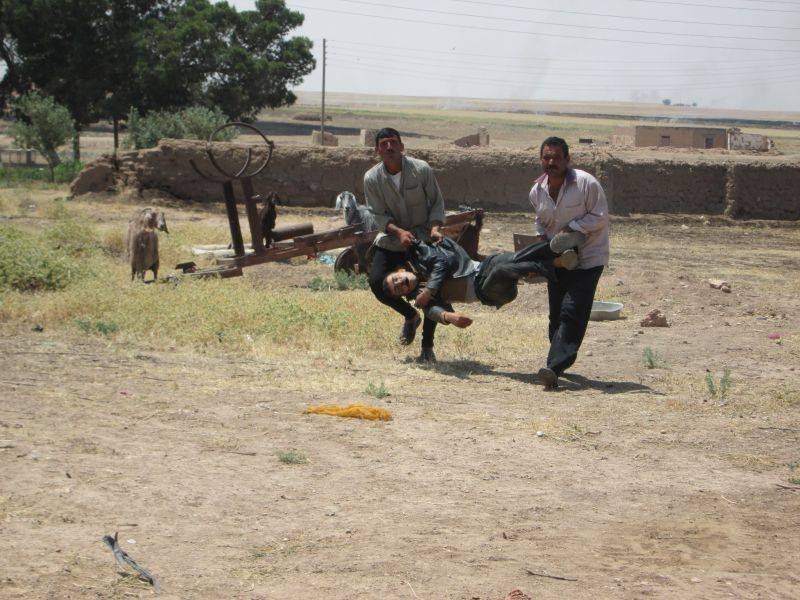
Курд геноциди ёки Анфол кампанияси 1980-1990 йиллардаги Эрон-Ироқ уруши пайтида содир бўлган. Ироқ шимолидаги Курдистон минтақасида Эронга содиқ икки сиёсий куч: Курдистон Демократик партияси (КДП) ва Курдистон ватанпарварлик иттифоқи (КВИ) ҳукмронлик қиларди. Курдлар асрлар давомида мустақилликни орзу қилса-да, қўшни давлатлар бунга қарши бўлиб келган.
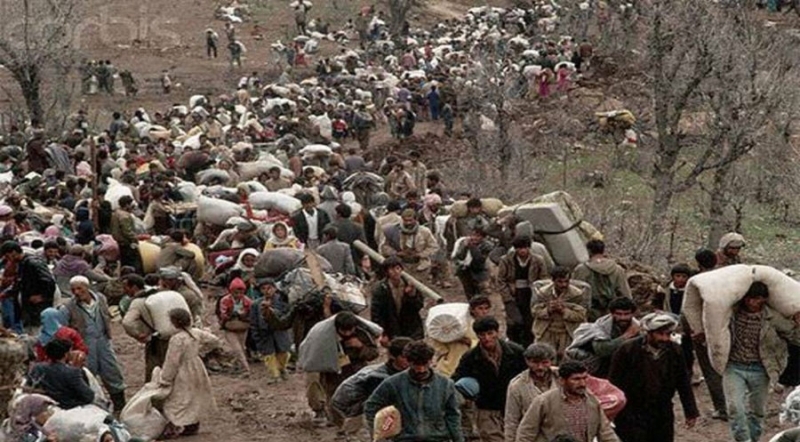
1988 йил февралига келиб, узоқ йиллик тўқнашувлардан сўнг, Ироқ диктатори Саддам Ҳусайн курдларга қарши кескин чоралар кўришга қарор қилди. Кейинги тўққиз ой ичида Ироқ қўшинлари халқаро журналистлар таърифлаганидек, “шаҳарларни вайрон қилиш, кўчириш ва оммавий қирғин” кампаниясини бошлади.
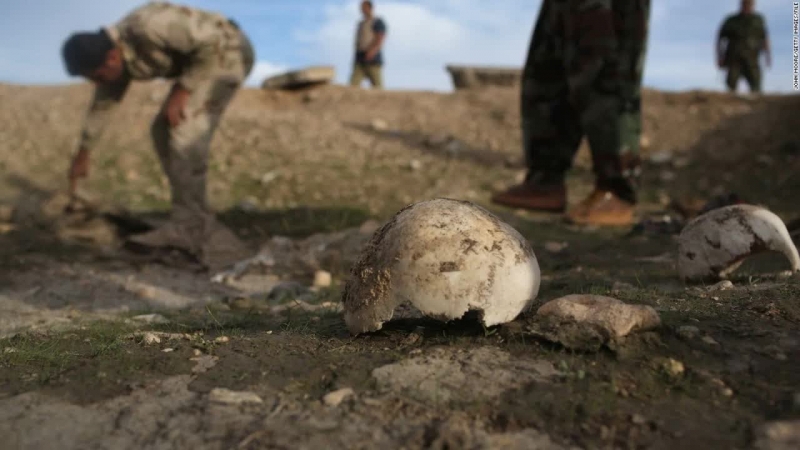
Аввалига юзлаб одамларни ўлдирган заҳарли газ ҳужуми содир этилди. Шу тариқа, Ироқ ўз аҳолисига қарши кимёвий қурол ишлатган биринчи давлат сифатида тарихда қолди. Ҳусайн кучлари томонидан қўлга тушганларнинг сўроқдан ўтказилиши, 15дан 70 ёшгача бўлганлар қатл этилишини эълон қилингани ҳақида манбалар мавжуд. Оқибатда, минглаб эркак, аёл ва болалар отилиб, оммавий қабрларга кўмилади. “Human Rights Watch” қурбонлар сонини 50-100 минг, курд манбалари эса 182 минггача деб, иддао қилади.
Шарқий Тимор геноциди: 180 мингдан 200 минггача қурбон
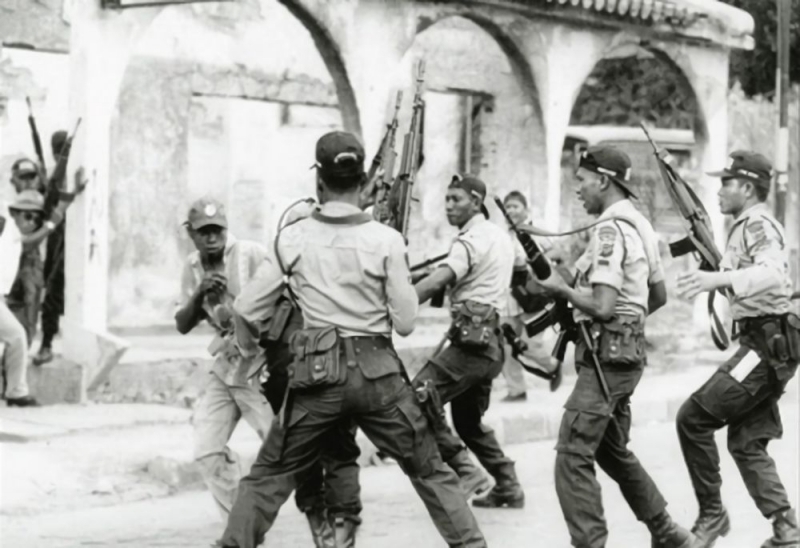
Шарқий Тимор Жануби-Шарқий Осиёда жойлашган кичик орол давлати бўлиб, Индонезияга қарашли Ғарбий Тимор билан чегарадош. 1975 йил қишида португаллар мустамлакачиликдан воз кечгач, сўл қанот “Фретилин” партияси мустақиллигини эълон қилди. Орадан кўп ўтмай, Индонезия босқини бошланди ва 1999 йилгача, яъни 24 йил давом этди.
Бу даврда 180-200 минг одам ўлдирилди, бу ўша пайтдаги аҳолининг чорак қисмини ташкил этарди. Қурбонлар зўравонлик, касаллик ва сунъий очарчилик оқибатида ҳалок бўлди. БМТ ҳисоботига кўра, Индонезия кучлари очликни қурол сифатида ишлатиб, ҳатто овқат ва сувга заҳар қўшишган.
Оммавий қатл, қийноқ ва оила аъзолари олдида жазолаш ҳоллари кенг тарқалди. Мустақиллик тарафдорларини қўрқитиш учун мўлжалланган бу стратегия бутун давр мобайнида давом этди. 1999 йилги мустақиллик референдумидан кейин ҳам жангарилар 1 500 одамни ўлдириб, қишлоқларни ёқиб юборди. Шунга қарамай, Индонезия генераллари ҳали ҳам жавобгарликка тортилмасдан қолмоқда.
Бангладеш геноциди: 300 мингдан 3 миллионгача қурбон
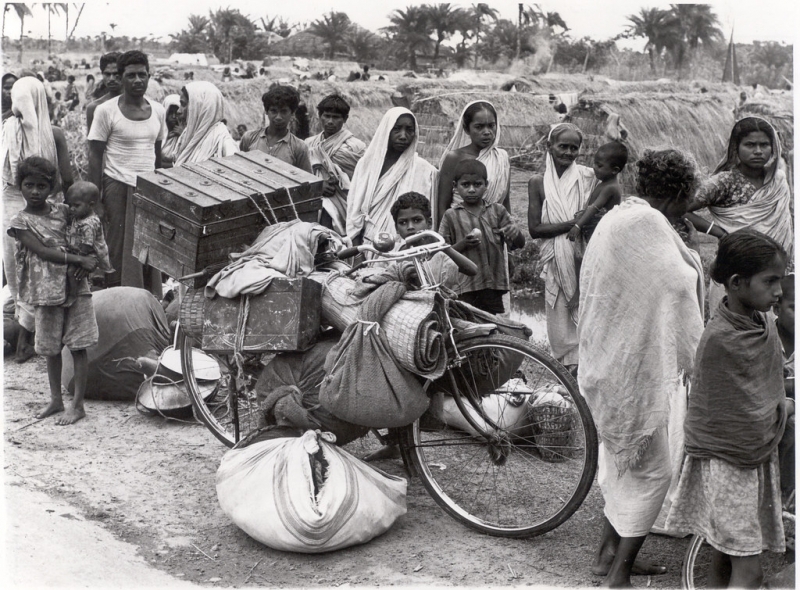
1971 йилда Дакка ҳозирдагидек Бангладеш пойтахти эмас, балки Шарқий Покистон маркази эди. Аҳолининг кўп қисмини ташкил этган бенгаллар ўз миллий давлатини яратишни орзу қилар, бироқ Ғарбий Покистон бунга йўл бермас эди.
1970 йилнинг декабрида “Авами лигаси” партияси раҳбари Мужибур Раҳмон сайловда ғалаба қилди, бироқ Ғарбий Покистон ҳукмрон доиралари буни тан олмади. 1971 йил мартидан декабригача бўлган вақт давомида кенг кўламли ҳарбий тўқнашувлар авж олди.
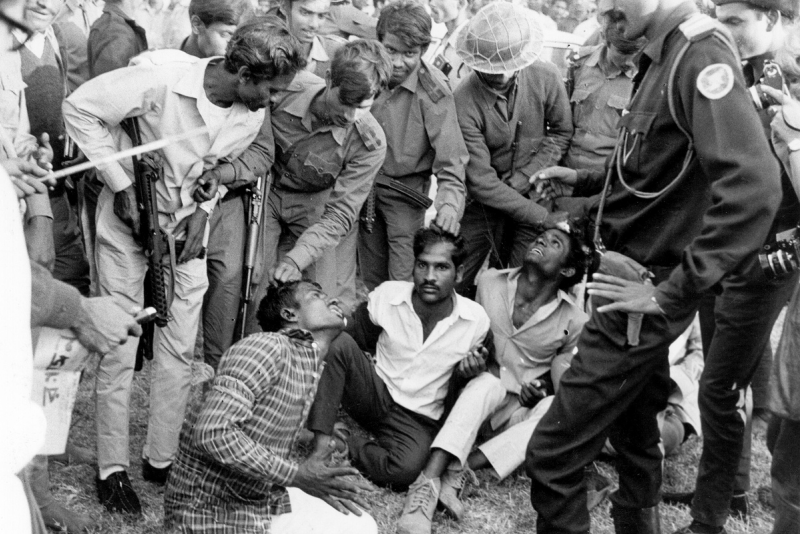
Тарихчи Анам Закария ўлим сонини 300 мингдан 3 миллионгача деб ҳисоблайди. Бу қурбонларнинг катта қисми тўғридан тўғри геноцид сиёсати қурбони бўлган. АҚШнинг Даккадаги консули Арчер Блад шундай ёзган эди:
“Покистон аскарлари бенгал мустақиллик тарафдорларини уйма-уй излаб топиб, отмоқда”.
Бу хабар ўша пайтдаги президент Ричард Никсон томонидан эътиборсиз қолдирилди, чунки Ғарбий Покистон АҚШнинг “Совуқ уруш”даги муҳим иттифоқчиси эди.
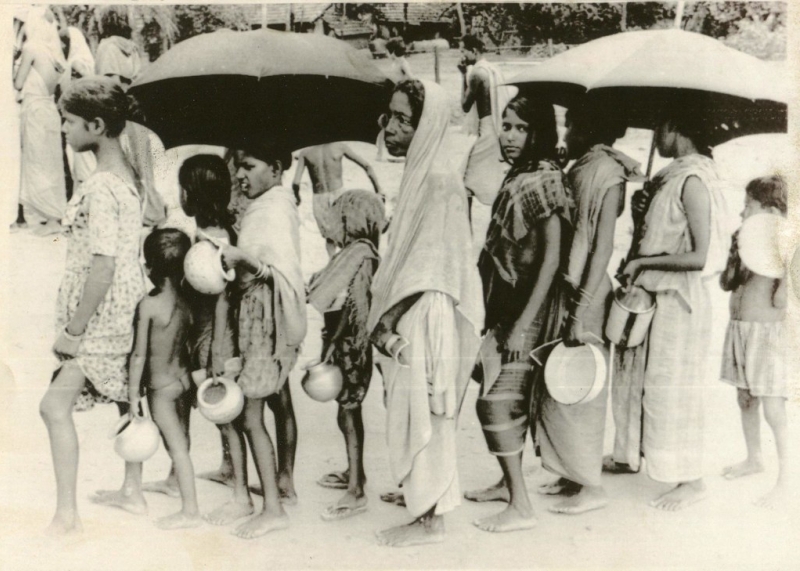
Қирғин билан бирга кенг кўламли жинсий зўрлаш кампанияси ҳам амалга оширилди. Бу нафақат бенгалларни таҳқирлаш, балки “уруш болалари” деб аталган, ғарбий покистонликлардан туғилган авлодни яратиш мақсадида қилинган эди. Геноцид 1971 йил 16 декабрда, Покистон Ҳиндистонга таслим бўлганида тугади.
Руанда геноциди: 800 мингдан 1 миллионгача қурбон

1994 йилда Руандада 800 мингдан – 1 миллионгача тутси миллати вакиллари хуту экстремистлари томонидан қирғин қилинди. Ўша вақтда Тутсилар мамлакат аҳолисининг 14 фоизини, хутулар эса 85 фоизини ташкил қилган. 1962 йилги мустақилликдан бери тутсилар мунтазам камситиш ва зўравонликка учраб келган.
Тутсиларнинг бир қисми мамлакатдан қочиб кетади ва 1980 йиллар охирида қўшни Уганда ҳудудида Руанда ватанпарварлик фронтини тузади. 1993 йилда ушбу фронт ва ҳукумат ўртасида сулҳ тузилади.
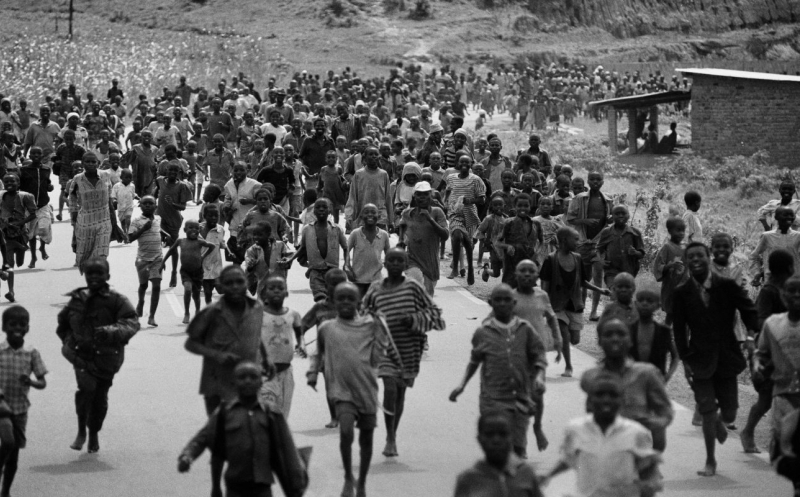
1994 йил 6 апрелда Руанда президенти Жювенал Хабиаримананинг самолёти пойтахт Кигалидаги аэропортга қўниш арафасида ердан учирилган ракета билан уриб туширилади. Руанда ватанпарварлик фронти вакиллари бўлган тутсилар ҳам, тинчлик жараёнига қарши бўлган радикал хутулар ҳам ушбу ҳужумга алоқадорликда гумонланади. Президент Хабиаримананинг ўлимидан бир неча соат ўтгач бутун мамлакат бўйлаб тутсиларга ҳамда мўътадил хутуларга ҳужумлар бошланади. Кейинги 100 кун ичида тутсилар ва уларни қўллаган мўътадил ҳутулар пичоқлар ва таёқлар ёрдамида оммавий ўлдирилади.
Руанда ватанпарварлик фронти сулҳга амал қилишни тўхтатади ва мамлакат ичкарисига юриш бошлайди ҳамда 4 июль куни пойтахт Кигалини эгаллайди.
Черкес геноциди: 1,5 миллион қурбон
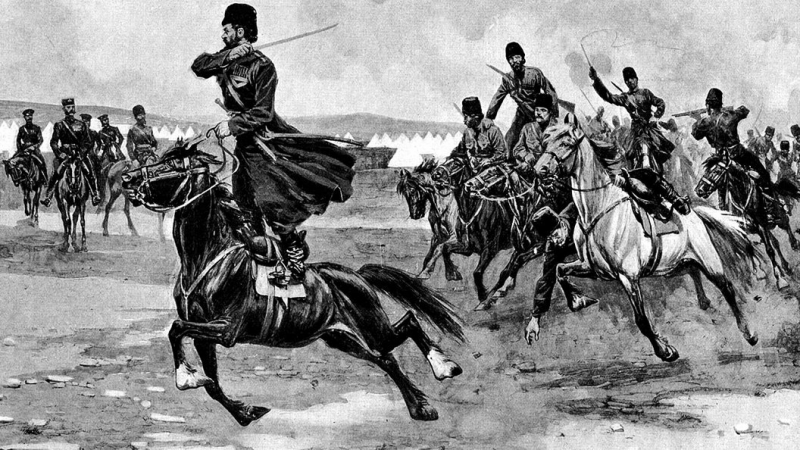
Черкес геноциди XIX асрнинг биринчи геноциди сифатида қайд этилади. Бир пайтлар Шимолий Кавказнинг энг йирик халқларидан бўлган черкесларнинг 97 фоизи йўқ қилинган.
Геноцид 1763 йилдан 1864 йилгача давом этган 101 йиллик Рус-Черкес уруши даврида содир бўлган. Россия империяси Кавказ тоғлари орқали жанубга силжиб, Қора денгизга кенгроқ чиқиш мақсадида оммавий сургун, қишлоқларни ёқиш, очлик, мажбурий кўчириш ва қатл сиёсатини юритган. Черкеслар уруш давомида Россияга қарши самарали партизанлик тактикаларини қўллаган. Аммо Черкес қабилалари ўртасидаги ҳокимият курашлари ва бошлиқлар билан оддий халқ ўртасидаги ички келишмовчиликлар қаршилик учун жиддий муаммоларни келтириб чиқарди.
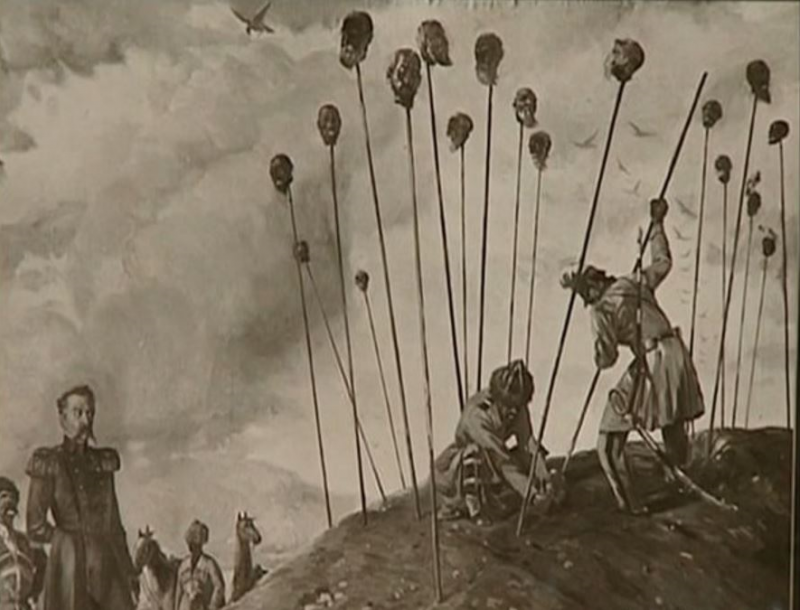
Бундан ташқари, Черкеслар бошқа Кавказ халқлари билан самарали ҳарбий иттифоқ туза олмади, гарчи уларнинг умумий душмани бўлса ҳам. Россия турли суиқасдлар ва одам ўғирлашларни амалга оширди, бу орқали Черкес жангчиларининг кенг қишлоқ аҳолиси томонидан қўллаб-қувватланишини йўқ қилишга ҳаракат қилди. Россия, шунингдек, экинлар ва чорва молларини йўқ қилди, бу эса оддий Черкесларни яшаш имкониятидан маҳрум қилди.
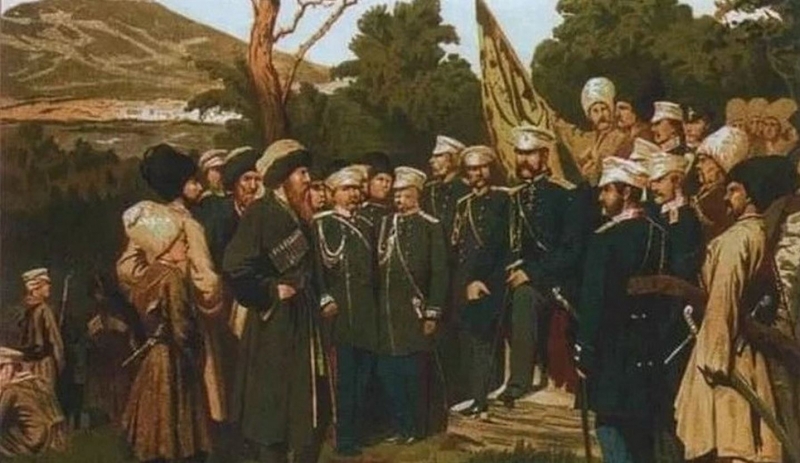
Улар охир-оқибат Россия ҳукмронлигини қабул қилиш ёки ўз қишлоқларидан чиқиб кетишга мажбур бўлди. Оқибатда, юз минглаб черкеслар Туркия ва бошқа жойларга тарқалиб кетди.
Камбоджа геноциди: 1,5 миллиондан 3 миллионгача қурбон
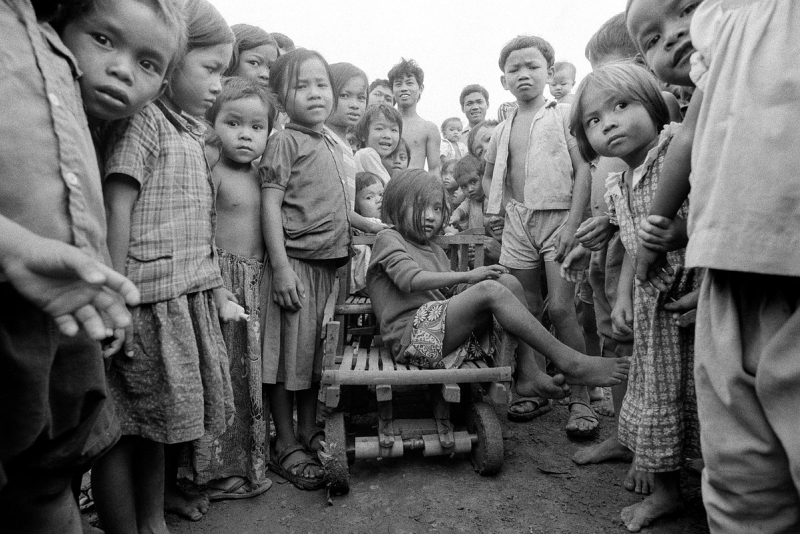
1970 йиллар бошида Камбоджа фуқаролар уруши ичида эди. Радикал “Қизил кхмерлар” коммунистик партияси аста-секин кучайиб, 1975 йил 17 апрелда пойтахт Пномпенни эгаллади. Партия раҳбари Пол Пот барча мавжуд маданиятни йўқ қилиб, аграр утопия яратиш мақсадида бу кунни “Ноль йили” деб эълон қилди.
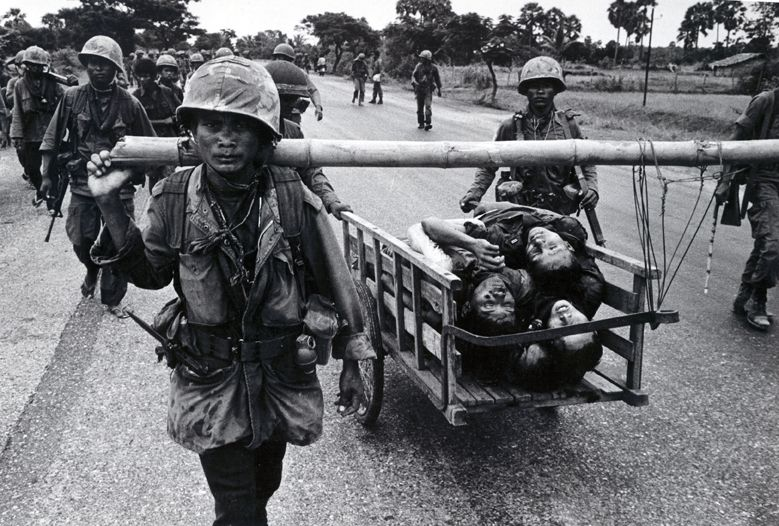
Кейинги тўрт йил давомида миллионлаб одамлар мажбурий равишда қишлоқларга кўчирилиб, оғир меҳнатга жалб қилинди. Энг кичик қаршилик аломати ҳам қийноқ ёки қатл билан жазоланди. Интеллект эгалари биринчи бўлиб йўқ қилинди. Ҳаттоки, кўзойнак тақишнинг ўзи интеллектуал белги ҳисобланиб, ўлим ҳукми учун етарли эди.
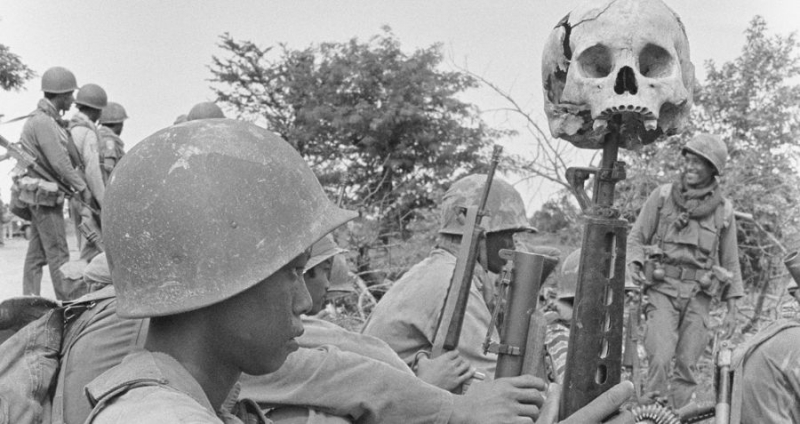
1979 йилгача 2 миллионга яқин камбоджалик касаллик, очлик, қуллик меҳнати ёки зўравонлик оқибатида ҳалок бўлди. Бу мамлакат аҳолисининг бешдан бирига тенг эди. Фақат Вьетнам қўшинлари 1979 йил 7 январда Камбоджага бостириб киргач, Пол Пот режими қулади. У 1998 йил сургунда вафот этди, аммо ҳеч қачон суд қилинмади.
Голодомор: 3,9 миллиондан 5 миллионгача қурбон
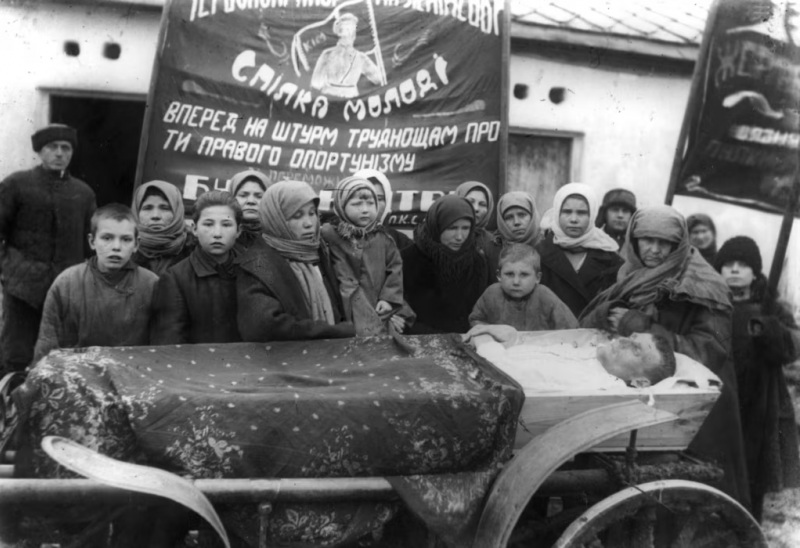
1932-1933 йилларда Украинада Иосиф Сталин томонидан олиб борилган зўравон коллективлаштириш сиёсати оқибатида юзага келган оммавий очарчилик оқибатида тўрт миллионга яқин одам ҳалок бўлди. СССРнинг бошқа минтақаларида яна уч миллионга яқин одам вафот этди.
Украина, бошқа кўплаб давлатлар каби, бу фалокат Совет Иттифоқи раҳбарияти томонидан атайлаб қўзғатилган деб ҳисоблайди. Голодомор Германия, Франция, Словения, Бельгия, Ирландия, Руминия, Молдова, Чехия, Исландия ва бошқа мамлакатлар парламентлари томонидан геноцид деб тан олинган. 2022 йил декабрь ойи ўрталарида Европарламент худди шундай қарор қабул қилди. Россия Голодоморни украиналикларнинг геноциди сифатида тан олмайди.
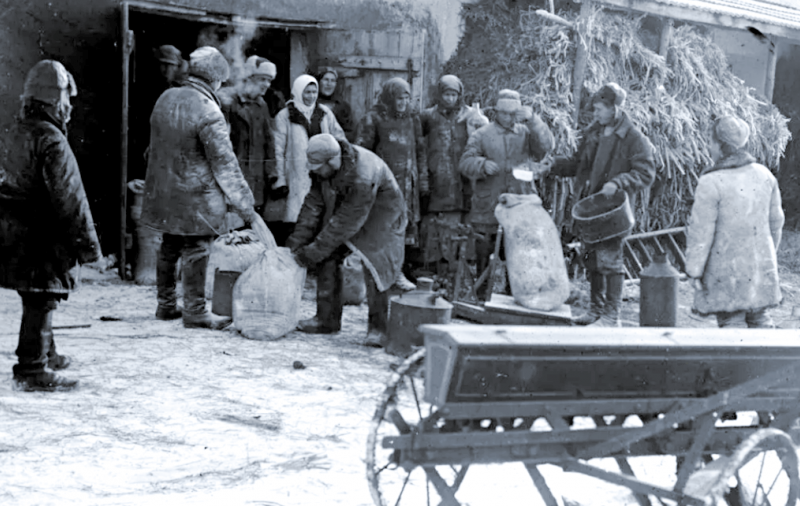
Голодомор Совет иттифоқи томонидан сунъий равишда олиб борилган очарчилик сиёсати эди. Бу сиёсат оқибатида 8 миллионга яқин инсон очарчиликдан ҳалок бўлган. Совет даврига оид ҳужжатларнинг архивдан очилмаслиги сабабли бу борадаги аниқ сонларни билишнинг имкони йўқ.
Шунга қарамай, мутахассислар ўша даврдаги Украина аҳолисининг 4/1 қисми очарчиликдан ҳалок бўлганини тахмин қилади. Уларга кўра, биргина Украинада 4 миллиондан ортиқ, яна 1 миллионга яқин одам Қозоғистон ва бошқа ҳудудларда ҳалок бўлган. Сталин режими остида одамлар дарахт пўстлоғи, майса, похол ва ҳатто ҳайвонларнинг қолдиқларини ейишга мажбур бўлган. Ҳатто, каннибализм ҳоллари ҳам қайд этилган.
Ҳолокост: 11 миллион қурбон
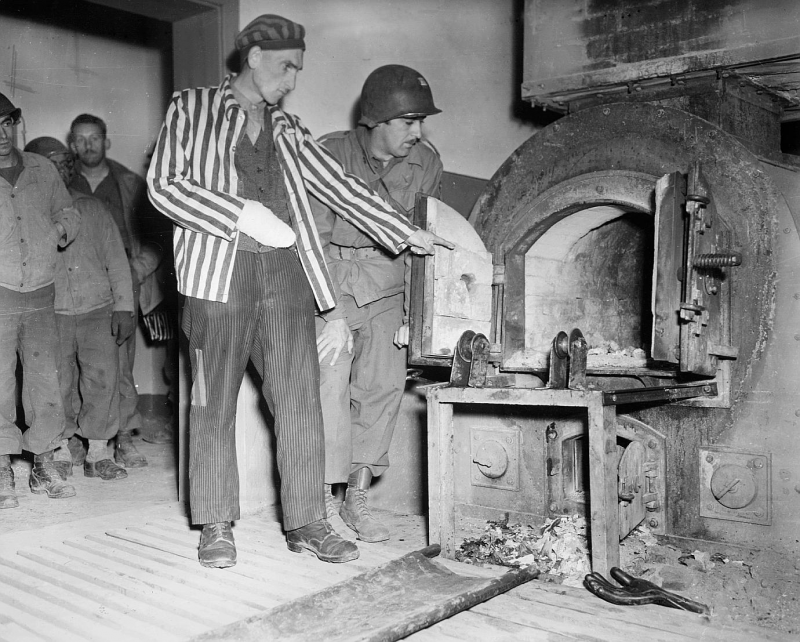
Ҳолокост – нацистларнинг ирқий мафкураси оқибати бўлиб, бунда арийлар бошқа барча ирқлардан устун ҳисобланган, айниқса, яҳудийлар энг хавфли деб эълон қилган эди. 1934 йилда Гитлер ҳокимиятни тўлиқ қўлга олгач, яҳудийларни ҳаётнинг барча соҳаларидан чиқариш сиёсати бошланди.
1938 йил 9-10 ноябрда “Кристаллначт” яъни, “Синдирланган ойналар кечаси” юз берди: кўчалар яҳудий дўконлари ва уй деразаларидан синган ойналар билан тўлдирилганди. 1939 йилга келиб яҳудийлар махсус белги тақишга мажбур бўлди ва концлагерларга юборилди.
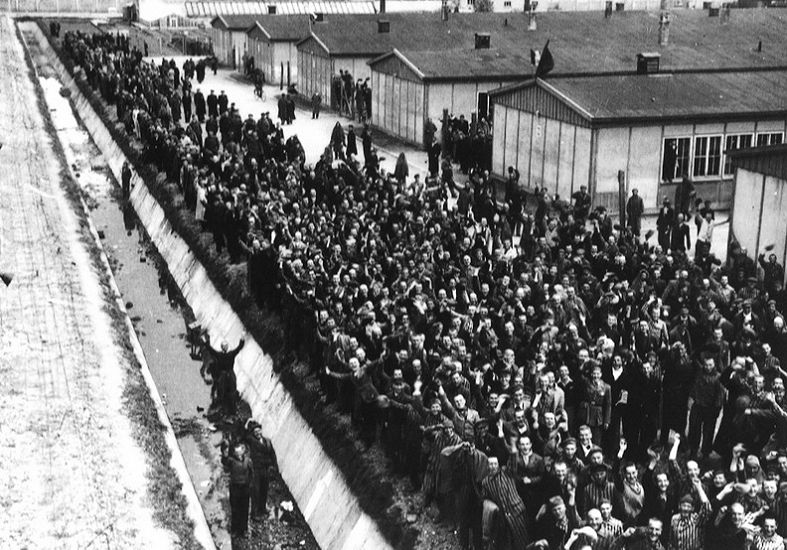
Иккинчи жаҳон уруши даврида яҳудийлар, лўлилар, славянлар, гомосексуаллар ва “инсондан паст” деб ҳисобланган бошқа гуруҳлар гетто ва концлагерларга жўнатилди. 1940 йиллар бошида махсус “Einsatzgruppen” отрядлари 1,5 миллион одамни отиб ташлади. 1942 йилдан бошлаб эса оммавий газ камераларида қирғин бошланди.
Белжецда 500 минг, Треблинкада 925 минг, Освенцимда 1,1 миллион одам ўлдирилди. 1945 йил 5 майда Маутҳаузен лагери озод қилинганида, нацистларнинг геноциди жами 11 миллион одамни, шундан 6 миллион яҳудийни ҳаётдан олиб кетган эди.
Тан олинмаётган геноцид
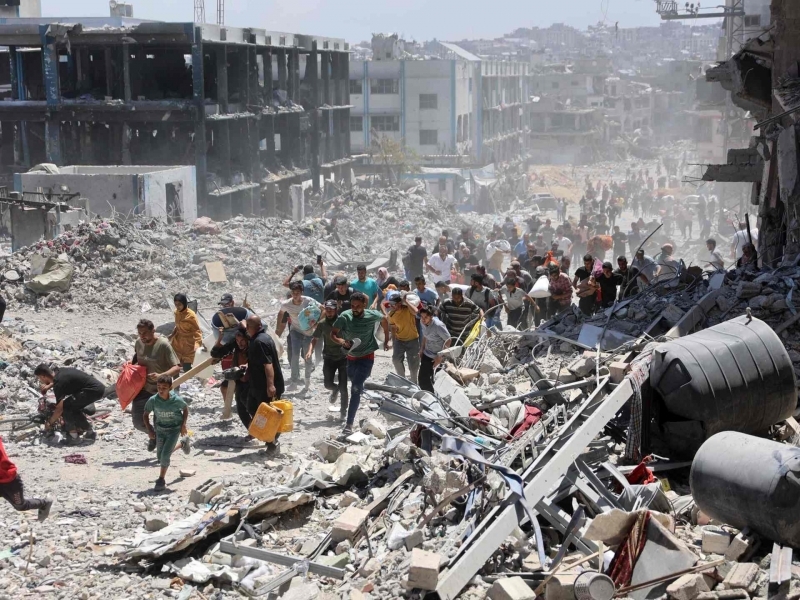
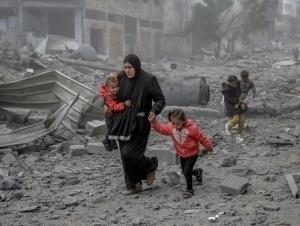
Ўтмишдан сабоқ чиқармаган инсоният ҳамон турли геноцидларни амалга оширмоқда. Ҳалок бўлганлар сони аллақачон 63 мингдан ортиб кетгани маълум бўлса-да, Ғазода содир этилаётган очиқча геноцидни тўхтатиш учун ҳеч ким ҳеч нарса қилаётгани йўқ, баъзи баёнот ва гуманитар ёрдамларни инобатга олмаса, албатта. Бу эса демократия ғояси илгари сурилаётган мазкур даврда халқларни ўлдириш мумкин, фақат “қудратли давлат бўлсанг” қабилидаги иддаоларни кучайтирмоқда.
1948 йил декабрида қабул қилиниб, 1951 йил январдан кучга кирган ва 153 давлат ратификация қилган БМТнинг Геноцид тўғрисидаги Конвенциясининг 2-моддасида геноцид қуйидагилардан ҳар бири сифатида таърифланади (миллий, этник, ирқий ёки диний гуруҳни бутунлай ёки қисман йўқ қилиш мақсадида):
- Гуруҳ аъзоларини ўлдириш;
- Жисмоний ёки руҳий оғир зиён етказиш;
- Гуруҳ йўқ қиладиган турмуш шароитларини қасддан яратиш;
- Гуруҳ ичида туғилишлар олдини олиш;
- Болаларни мажбуран бошқа гуруҳга ўтказиш.

Исроил Ғазода қилаётганларида ушбу шартларнинг деярли барчаси топилса-да, бу ҳалигача халқаро майдонда расман геноцид деб тан олинганича йўқ.
Туркия ва Бразилия каби давлатлар, инсон ҳуқуқлари ташкилотлари ҳамда БМТнинг айрим мутахассислари Исроилнинг ҳаракатларини геноцид деб баҳоламоқда. БМТнинг 500 дан ортиқ ходими БМТ Инсон ҳуқуқлари бўйича олий комиссари Фолкер Тюрк ва Бош котиб Антониу Гутерришга мурожаат қилиб, Исроилнинг Ғазодаги ҳаракатларини “геноцид” деб тан олишни талаб қилди.
Amnesty International каби кўплаб ҳуқуқий ташкилотлар аллақачон Исроилни геноцидда айблаган. БМТнинг мустақил эксперти Франческа Албанезе ҳам бу атамани ишлатган. Бироқ БМТнинг ўзи ҳали “геноцид” сўзини расмий равишда қўлламаган. БМТ расмийси геноцидни белгилаш халқаро судларнинг вазифаси эканини айтиб келади.

Live
Барчаси