$20 million from Gulnara Karimova’s seized assets to be spent on education
Local
−
24 September 2025 15130 4 minutes
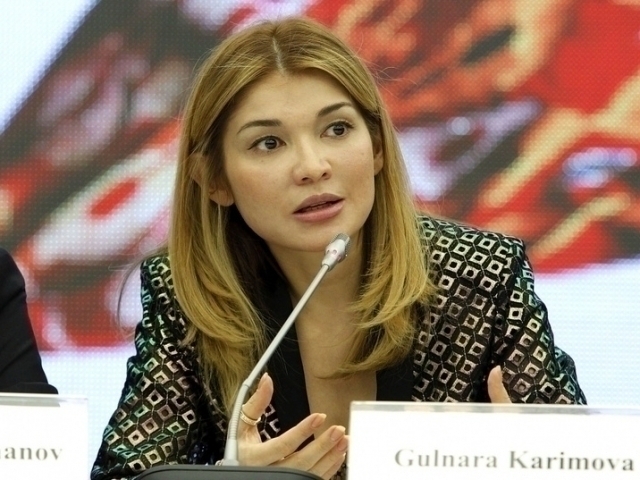
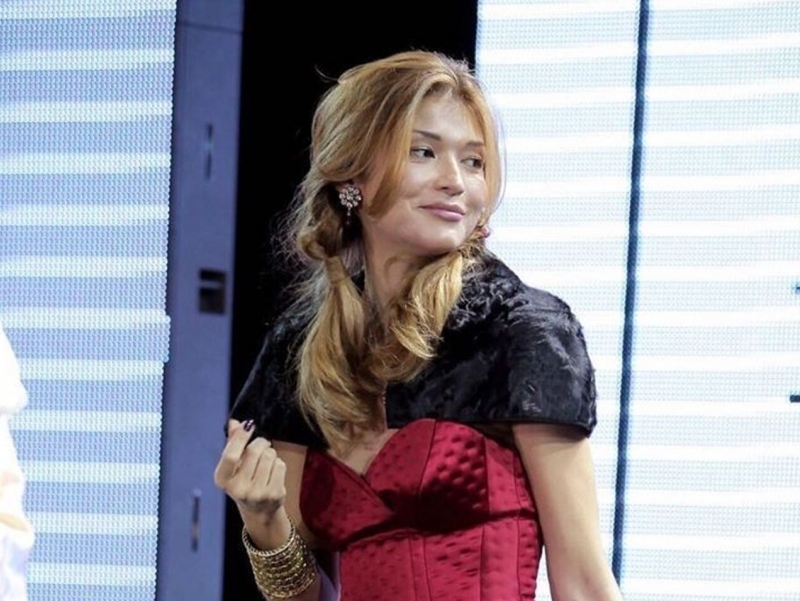
Twenty million dollars from the funds confiscated from Gulnara Karimova, the eldest daughter of Uzbekistan’s first president Islam Karimov, in Switzerland will be allocated to improve access to education. This was reported by the United Nations office in Uzbekistan.
It was noted that at the third international forum “From Poverty to Prosperity,” held on September 17 in Namangan, the Steering Committee of the “Ishonch” Fund reaffirmed its commitment to a transparent and rigorous process for the return and allocation of the assets. At the event, it announced the allocation of 20 million US dollars to the project “Modeling Climate Resilience and Water, Sanitation and Hygiene (WASH) in Schools.” The project will officially begin on October 1 this year.
The initiative aims to renovate at least 45 rural schools across Uzbekistan and provide them with safe water, modern sanitation, reliable heating systems, and environmentally friendly energy. As a result, energy consumption is expected to be reduced by 30 percent and greenhouse gas emissions by 50 percent. The project will directly improve the daily learning conditions of 31,500 children, particularly adolescent girls, who will have access to gender-sensitive facilities. This is expected to reduce absenteeism. In addition, 2,700 teachers and staff will be trained on climate resilience, gender-sensitive approaches to WASH, and community engagement to ensure the sustainability of the project’s results after its completion.
Uzbekistan ranks among the countries with the fastest-growing school-age populations. More than 1.4 million students attend schools without access to water or with limited water supply. Many schools, especially in rural areas, still use outdated toilets and inefficient heating systems. The project will address these urgent challenges by introducing climate-resilient, inclusive, and gender-responsive infrastructure, setting an example for future education investments nationwide.
The “My Best School” digital portal will enable local communities and the public to monitor budgets, contractors, construction timelines, and project progress in real time. In addition, a “Integrity Pact” involving civil society will be tested to ensure fairness, transparency, and accountability in procurement and renovation processes before parents, teachers, and local communities.
“Switzerland is proud that these restituted assets are being turned into substantial, corruption-free investments that directly benefit the people of Uzbekistan. Through this project, we are creating opportunities for 31,500 children to learn in a healthier, safer, and more dignified environment — a true example of restitution serving development,” said Konstantin Obolensky, Switzerland’s Ambassador to Uzbekistan.
According to Deputy Minister of Economy and Finance Ilhom Norqulov, this initiative supports national priorities and strengthens the education system. “By allocating funds for climate-resilient schools and introducing new governance tools, we are building both infrastructure and accountability for future generations,” he said.
Sabine Mahl, the UN Resident Coordinator in Uzbekistan, stated that the project demonstrates the UN Country Team’s commitment to transforming restituted assets into long-term improvements for children and families in Uzbekistan.
“By integrating clean water, modern sanitation, and climate resilience with transparency and public oversight, we are not only improving schools but also materially supporting every child’s trust, equality, and future,” she said.
It should be noted that in February, the governments of Uzbekistan and Switzerland signed an agreement on the distribution of confiscated assets, signed by Uzbek Justice Minister Akbar Toshqulov and Swiss Ambassador Konstantin Obolensky. Under this agreement, approximately 182 million US dollars are to be returned to Uzbekistan.
These funds were illegally obtained by certain citizens of Uzbekistan and were fully confiscated by the Office of the Attorney General of Switzerland in 2012 as part of a criminal investigation against Gulnara Karimova. The funds will be returned through the United Nations’ “Uzbekistan Vision 2030 Fund” Multi-Partner Trust Fund.
Later, the Brussels Prosecutor’s Office in Belgium submitted a request to the Central Office for Seizure and Confiscation (COIV) to transfer a total of 108 million US dollars, allegedly linked to Gulnara Karimova, to the state treasury account. At the request of the prosecutor’s office, the court ruled that the confiscated funds should be shared between the two countries. The decision was made based on a principle similar to the existing legal mechanism for the distribution of seized assets between two EU member states. According to the ruling, 108 million dollars are to be transferred to Uzbekistan. However, the statement did not disclose the crime or the individuals connected to these funds.
Live
All