Central Asia on the brink of a water crisis as glaciers melt rapidly
Interesting
−
30 March 10688 2 minutes
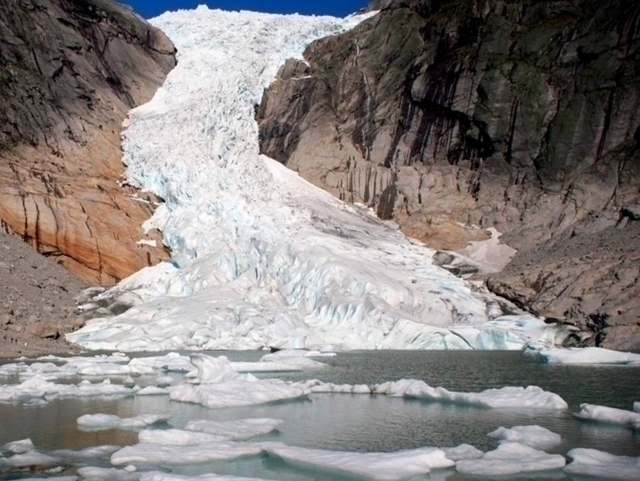
Accelerating glacier melt could lead to severe water shortages across Central Asian countries, according to the World Meteorological Organization’s annual State of the Global Climate 2025 report.
According to the WMO, the 2024/2025 hydrological year was one of the most devastating on record for glaciers. Glacier mass loss ranked among the five worst outcomes recorded since 1950, with most record negative values registered after 2016.
These processes pose a particularly serious threat to Central Asia. The glaciers of the Pamirs, Tien Shan and Hindu Kush supply water to the region’s largest rivers — the Amu Darya, Syr Darya, Zarafshan and Panj. Water supply, agriculture and ecosystems in Uzbekistan, Kyrgyzstan, Kazakhstan, Tajikistan and Turkmenistan all depend on these rivers.
Experts say that, in the short term, accelerated melting increases river flow, but in the future it will lead to a sustained decline in water levels, especially during dry periods. Hydrologists refer to this stage as “peak water,” after which long-term shortages begin.
The construction of major hydropower facilities in the upper reaches of the rivers is further complicating the situation. In particular, construction of the Rogun Hydropower Plant is continuing in Tajikistan, while the Kambarata-1 Hydropower Plant is planned in Kyrgyzstan. These projects alter the natural flow regime and place additional pressure on river ecosystems.
Specialists warn that the combined impact of climate change and river regulation could worsen conditions in deltas and floodplain areas, including the Aral Sea region.
The WMO stresses that the rapid retreat of glaciers requires a reassessment of approaches to water resource management, as water remains a key factor in sustainable development and interstate relations in the region.

Live
All