Tashkent to establish central traffic management center to reduce congestion
Local
−
03 December 2025 5073 2 minutes
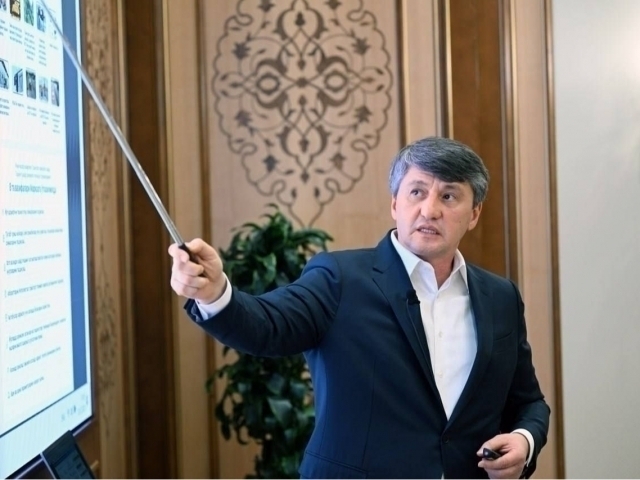
Tashkent will create a centralized traffic management center, the Presidential Press Service reported on 3 December. President Shavkat Mirziyoyev reviewed a presentation on improving transport management in the capital and measures to prevent congestion.
According to the report, significant progress has been made in recent years in developing public transport in Tashkent. The bus fleet has doubled, reaching nearly 1,900 vehicles, and service intervals have been reduced from 30 to 15 minutes. As a result, daily bus ridership has reached 1.4 million passengers.
The combined length of underground and overground metro lines has increased to 70.5 kilometers, with the number of stations rising from 29 to 50. The metro now serves 900,000 passengers daily.
Technical improvements for traffic management on city streets have expanded, with 2,870 signs replaced, 2,770 new signs installed, and 55 traffic lights added.
However, the growing population and increasing number of vehicles, coupled with economic activity, have significantly burdened road infrastructure. Pressure on main transport corridors has doubled, and 7–8 level congestion has become common. Public transport usage remains lower than private car use, further impacting the city’s environmental conditions.
Globally, the most effective method for managing traffic is the Intelligent Transport System (ITS), which allows cities to monitor, analyze, and plan traffic flows in a centralized manner.
The presentation proposed establishing a single traffic management center in Tashkent to analyze and model vehicle and pedestrian flows, implement and operate ITS, develop and apply a transport master plan, enhance electrical infrastructure, and encourage the use of individual transport.
The center will act as the ITS operator. Using data collected from cameras, sensors, and GPS, and employing artificial intelligence, it will analyze congestion, forecast traffic patterns, optimize routes, adapt traffic light phases, and coordinate emergency response in the event of road accidents.
The system is expected to reduce average travel times, decrease congestion on main roads, and improve emergency response times.
President Mirziyoyev approved the proposal, instructing that the pilot project be launched this year, expanded in subsequent years, and integrated with regional networks by 2030.
It is worth noting that on 9 July, during a video conference on road safety and congestion reduction, the President himself mentioned being stuck in traffic while driving, highlighting the importance of the issue.

Live
All