How strategic commodities opened the week in the global economy?
Business
−
17 November 2025 10297 2 minutes
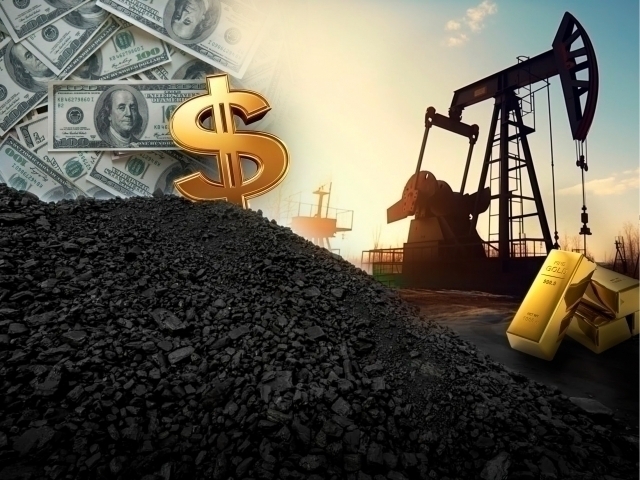
The US dollar is weakening. In Uzbekistan, the dollar rose by 54 UZS to 12,039 UZS on November 17, yet it continues to decline overall. The greenback remains under pressure this week due to political uncertainties and persistent data “opacity.” Analysts note a high probability of further depreciation in December. Against this backdrop, the euro and pound sterling are showing signs of stabilization.
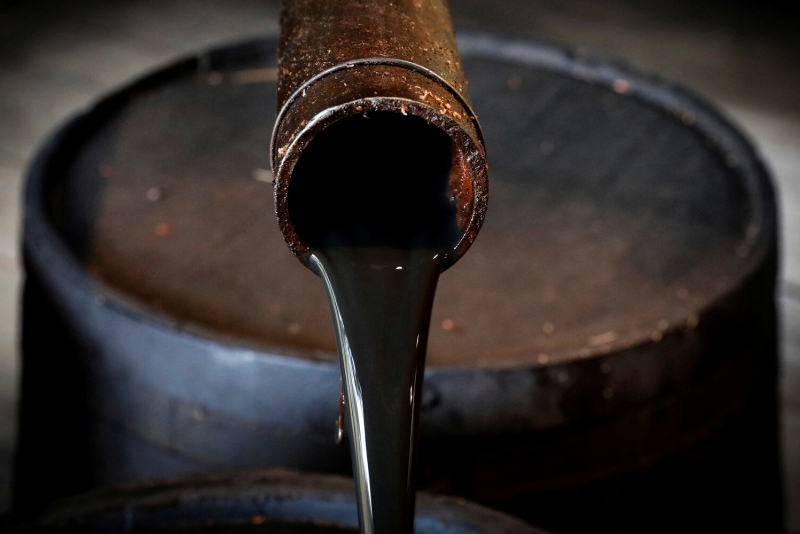
Oil prices are falling. On November 17, futures for the most widely traded US crude, West Texas Intermediate (WTI), dropped to $59.80 per barrel, partially reversing previous session gains. On November 16, President Trump mentioned that Republicans are preparing a bill to impose sanctions on any country trading with Russia, with Iran potentially included. Despite this, market outlooks remain negative, as production is expected to rise toward the end of the year and into next year. Both OPEC members and non-member producers are increasing output amid slowing demand growth.
Coal prices are rising. Prices have exceeded $110 per ton, approaching levels not seen since late August. This is largely linked to expectations that major consumers, such as China, will implement new stimulus measures. At the end of last week, China’s Finance Minister Lan Foan stated that financial policy would be strengthened over the next five years, with budget, tax policy, government bonds, and transfer payments deployed to support stable economic and social development.
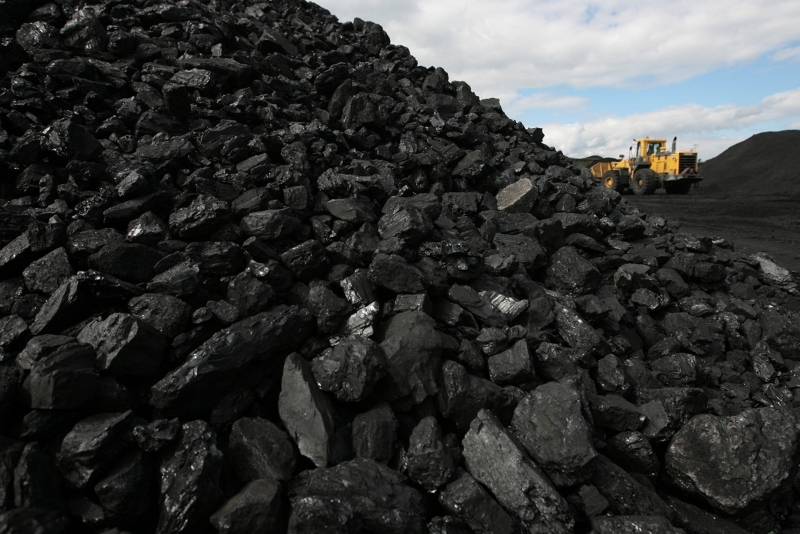
China has also signaled that it will continue relying on coal energy for decades, targeting a peak in demand by 2030. This approach reflects ongoing coal dependence in other Asian and European countries, contributing to energy supply volatility and increased electricity demand from data centers.
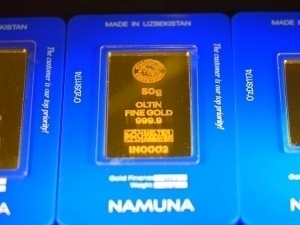
Gold prices are stabilizing. On Monday, gold traded around $4,080 per ounce (31.1035 grams), rebounding after two days of decline. Last week, comments from US Federal Reserve officials reduced expectations for a December rate cut, with market probabilities now at 46%, down from over 60% at the beginning of the month.
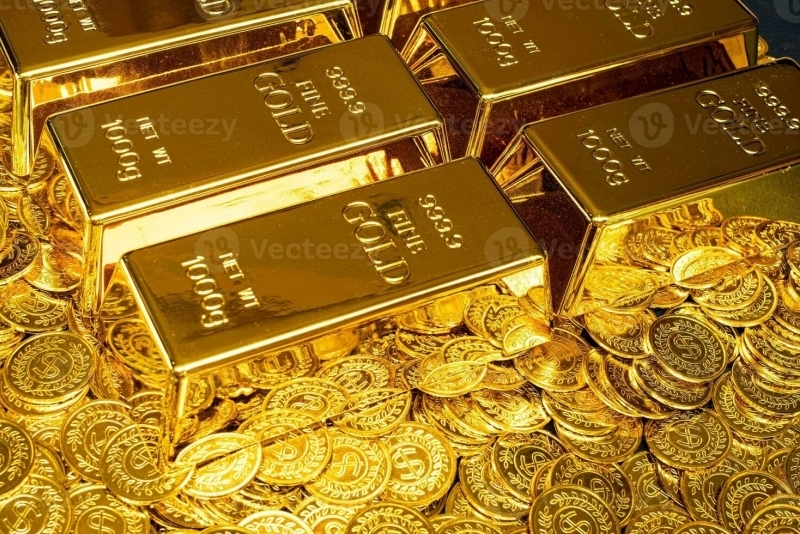
Since the start of the year, gold has risen 55%, marking the strongest annual gain since 1979. The rally is supported by central bank purchases and consistent demand from investors seeking protection against fiscal and geopolitical risks.

Live
AllPutin Xitoyga etib bordi
19 May