Олмазорда дарахт қирғини. Президент қарори менсилмайдими?
3-саҳифа
−
27 Декабрь 2025 10538 4 дақиқа
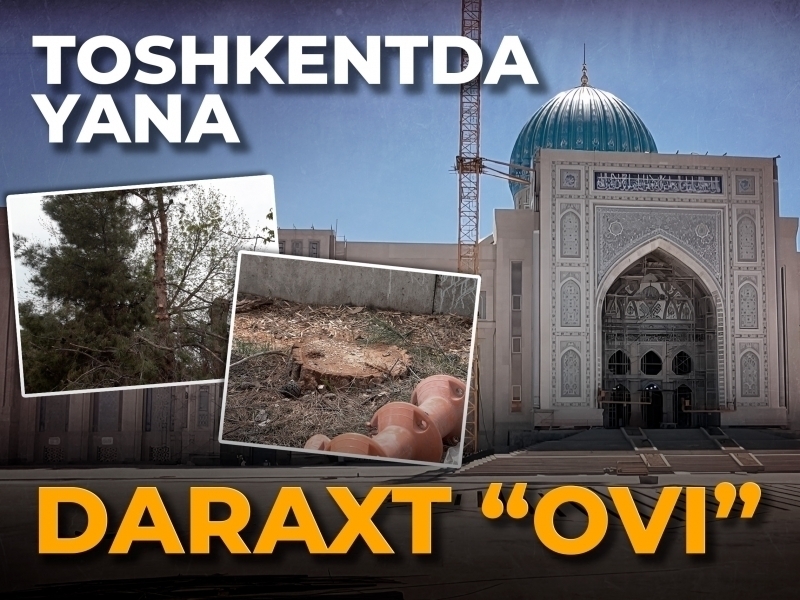
Эндигина экологик масалалар кун тартибидан тушиб бораётган, Ўзбекистонда ҳаво сифати аста-секин яхшиланиб, одамларнинг ўпкаси ниҳоят тоза ҳаводан тўйина бошлаган, қолаверса, дарахтларни кесишга қаратилган мораторий амалда сақланиб қолган бир пайтда яна дарахткушлик ҳолатлари кузатилди. Яна Олмазорда!
Ижтимоий тармоқларда пойтахт Тошкентнинг Олмазор туманида жойлашган 20-оилавий поликлиника ҳудудида 10 дан ортиқ дарахтлар кесилаётгани акс этган видефактлар тарқалди. Жамоатчиликда кескин норозилик уйғотган мазкур ҳолат юзасидан QALAMPIR.UZ аниқлик киритиш мақсадида видео муаллифи билан боғланди.
Унинг сўзларига кўра, мазкур ҳудуд ўтган йилларгача кўкаламзор, унинг атрофида яшайдиган қаватли уйлар аҳолиси учун нафас ростлайдиган яшил макон бўлган. Бироқ, поликлиникада таъмирлаш ишлари бошланганидан сўнг, қурилиш чиқиндилари ҳудудга ташлаб кетилган ва атроф-муҳит издан чиққан. Фуқаро айниқса, чанг кўтарилган пайтларда айнан шу дарахтлар ҳавони сақлаб турганини билдирган.
Бундан бир неча ой аввал айнан шу ҳудудда поликлиникада олиб борилаётган таъмирлаш ишларида чиққан чиқиндилар бинонинг юқори қаватидан пастга улоқтирилиб, ҳудудда катта чиқиндилар уюми пайдо бўлгани видеоси тарқалган эди.
“Ёзда ойнамиз шу тарафга қарагани учун салқин шаббода эсарди, кейин булар икки йил давомида реконструкция деб, атрофни ахлатга тўлдириб ташлашди. Бу йил ёз ойларида ахлатни олиб чиқаздик, мутасаддилар келиб жарима солди, прокуратура, ички ишлар босиб атрофни йиғиштиришди. Ундан кейин бу муаммо бошланди. Тез ёрдам учун тураргоҳ қиламиз, деб дарахтларни кесишга тушишди. Таъмирлаш пайтида ҳам дарахтларга эмульсия сепишган. Биз тепадан кўриб қолганимиз ва бақир-чақир бўлгандан кейин усталар ғойиб бўлди. Куни кеча яна ўрмалаб қолишди, бугуннинг ўзида 10 дан ортиқ дарахт кесилди. Улар орасида мевали ва мевасиз дарахтлар бор. Аммо, масъуллар улар қуриган, деган важни кўрсатди. Барака топгур, ўимлик дунёси қишда уйқуга кетади. Дарахтлар қуримаган эди, улар барг тўккан, холос, видеода ҳам кўриниб турибди. Биз экология қани, хат-ҳужжатларинг қани десак, туман экологияси, ботаника боғидан рухсатнома бор, дейилди. Аммо ҳеч қандай ҳужжат кўрсатилгани йўқ. Ҳозир илдизлари ҳам қолмаган, ноқонуний ҳаракатларини ёпди-ёпди қилиш учун экскаватор чақириб илдизлари билан қўпориб кетишди. Бу ерда экологияга эмас, қурилишга алоқадор одамлар турибди”, дейди маҳалла турғуни.
Қўшимча қилинишича, ҳудуд аҳолисига дарахтларни кесиш сабаблари бўйича ҳеч қандай расмий тушунтириш берилмаган. Дастлаб ишлар жимгина амалга оширилган, видео тармоққа чиққач, аҳоли билан ҳисоблашишга уринишлар, ҳаракатларни хаспўшлаш кузатилган.
“Сизлар рўйхат қилганмисизлар, ўрнига дарахт экмоқчи экансизлар, ободонлаштирмоқчи экансизлар. Нечта дарахт кесдингиз, деган савол билан мурожаат қилсам, тўртта деб ёлғон жавоб қилинди. Ваҳоланки, мен кесилган 10 та дарахтни видеога олиб бўлган эдим”, дейди у.
Қайд этиш жоизки, Ўзбекистон Республикаси Президенти Шавкат Мирзиёев томонидан жорий йилнинг 19 ноябрида қабул қилинган “Экология ва туризм соҳаларида аҳоли талабларига тезкор жавоб бера оладиган бошқарув тизимини яратиш чора-тадбирлари тўғрисида”ги фармонга мувофиқ, Экология ва иқлим ўзгариши миллий қўмитасининг ҳудудий бўлинмалари маҳаллий ҳокимият тузилмасига кирмайди ва ўз фаолиятини мустақил амалга оширади.
Фармонга кўра, 2026 йил 1 мартдан бошлаб экология ва атроф-муҳитни муҳофаза қилиш соҳасида қонун талабларига риоя этмасдан рухсат бериш хусусиятига эга бўлган ҳар қандай ҳужжатларни қабул қилиш, жумладан, давлат экологик экспертизаси хулосасини бериш, дарахт ва буталарни кесиш ёки кўчиришни назарда тутувчи қарорлар чиқариш қатъий тақиқланади. Бироқ, бу дегани қонун кучга киргунга қадар истаганини қилишни, дарахтларни таги билан қириб ташлаш ва бу бўйича ҳисоб бермасликни англатмайди.
Ҳолат ижтимоий тармоқларда кенг муҳокама ва норозиликка сабаб бўлганидан сўнг, Олмазор туман ҳокимлиги расмий муносабат билдирди. Унга кўра, поликлиника ҳудудидаги айрим дарахтлар қуриган ёки касалланган бўлган ва туман ободонлаштириш бўлими агрономлари хулосаси асосида белгиланган тартибда кесилган. Соғлом дарахтлар эса кесилмасдан, махсус техника ёрдамида ҳудуднинг бошқа қисмига кўчирилган. Бироқ, ҳокимлик доимгидек ўз баёнотига дарахтларнинг қуриган ё касаллангани ҳақидаги агрономлар хулосасини илова қилмаган. Ҳужжат билан танишиш имкони йўқ.
Баёнотда қўшимча қилинишича, ҳудудда кенг кўламли ободонлаштириш ишлари олиб борилиши ва 300 дан ортиқ кўп йиллик манзарали дарахт кўчатлари экилиши режалаштирилган. Бироқ, ҳокимликнинг оқлов баёнотида неча дарахт кўчирилгани, қанчаси кесилгани бўйича аниқ рақамлар ва далиллар келтирилмаган.
Эътиборли жиҳати шундаки, жорий йилнинг 7 октябрь куни Олмазор туманидаги “Ғафур Ғулом” метро бекати яқинида ҳам соғлом дарахтлар кесилгани қайд этилган эди. 17 декабрь куни эса Беруний кўчасида дарахтларнинг белгиланган тартиб-қоидаларга зид равишда ноқонуний кесилгани аниқланган.
Бу эса Олмазор туманида дарахтларни асраш масаласи ҳали ҳам долзарблигича қолаётганини, ҳокимлик жамоатчиликнинг фикрларини инобатга олмаётгани, Президент томонидан эълон қилинаётган мораторийни менсимаётгани, жамоатчилик назорати эса ҳар қачонгидан ҳам зарур эканини кўрсатади.

Live
Барчаси