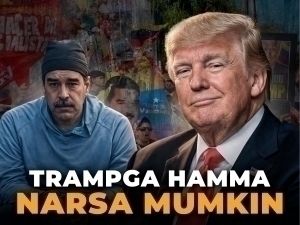
Who is he? Indian, muslim, African, and rapper Zohran Mamdani
Interesting
−
11 November 2025 9212 7 minutes
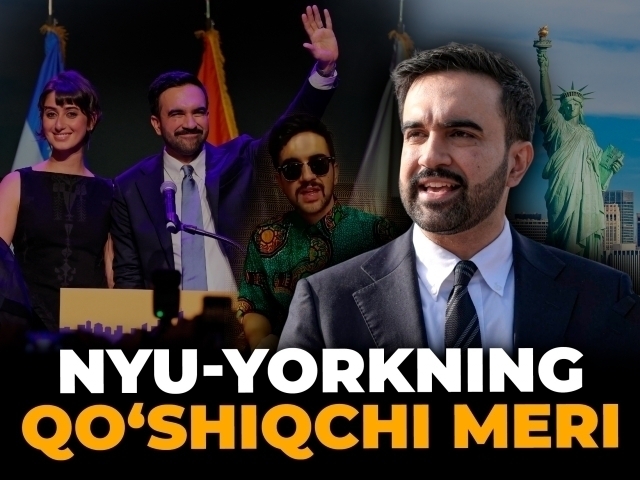
On November 4, not only in the United States but worldwide, New York City held its mayoral election. In what was, in some ways, expected and in others surprising, 34-year-old Muslim Zohran Mamdani, born in East Africa and of Indian descent, won the race. During his campaign, Mamdani largely avoided taking a public stance on the Ukraine-Russia conflict but gave significant and sometimes controversial attention to the Palestine issue, drawing criticism from many quarters. It should be noted that in 2022, he condemned Russia’s invasion cautiously, focusing on reducing tensions and emphasizing respect for humanitarian concerns. He also criticized former President Trump’s efforts to weaken NATO.
In interviews with journalists, Mamdani once remarked that if he became mayor, Putin could be arrested by the International Criminal Court (ICC) upon visiting New York. In reality, he was referencing a different context—discussing the ICC-issued arrest warrant for Israeli Prime Minister Netanyahu. Currently, international media covering the young politician highlight that Trump is openly opposed to him and even views him as an adversary.
Origins, family, and childhood
Although Mamdani is now a U.S. citizen, he was born outside the country, in Uganda. His father, Mahmoud Mamdani, is a historian, professor of postcolonial studies, and a left-leaning scholar. His mother, Mira Nair, is a renowned film director. In short, New York’s next mayor comes from a family of immigrants.
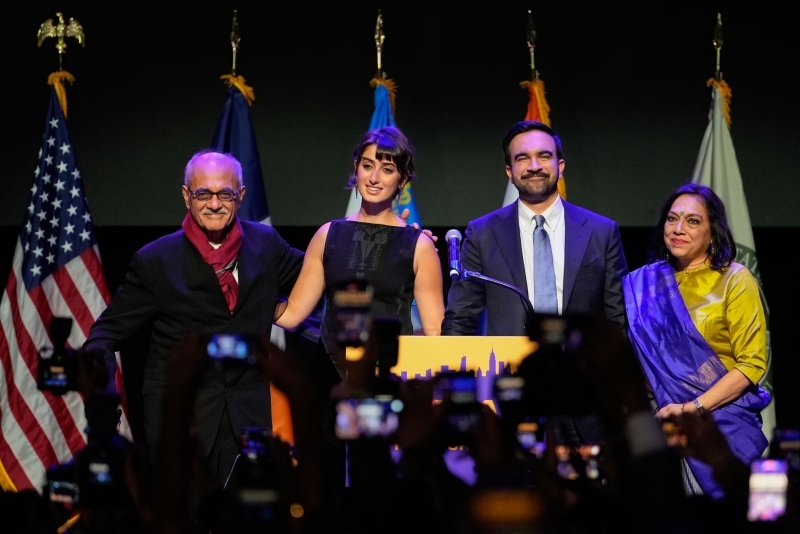
The Mamdanis are of Indian origin. The family moved to the U.S. due to Mahmoud Mamdani’s academic career—he was invited to teach at Columbia University—while America offered Mira Nair a new environment to advance her creative work. Nair directed the famous 1990s film “Kama Sutra: A Tale of Love” but is best known for arthouse projects and using nonprofessional actors. Since the age of seven, Zohran has lived in New York’s Upper Manhattan, attending local schools. His father is Muslim, his mother Hindu, and Mamdani’s interest in Islam, inherited from his father, has become a defining aspect of his public persona.
Mamdani’s political views
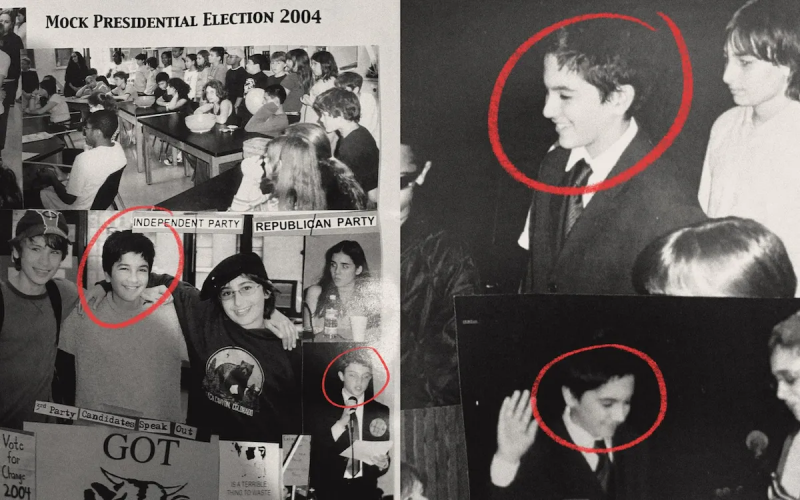
As the child of accomplished parents, Mamdani never lacked material comfort but was keenly aware of social inequality. Interestingly, despite spending most of his life in the U.S., he only obtained citizenship in 2018 after navigating the bureaucratic system. This experience strengthened his belief that he needed to influence the system from within. He actively participated in elections during his school years, often advocating for equality, respect for Islam—especially after 9/11—and anti-war initiatives, even when these positions were unpopular. He remained steadfast in his beliefs.
Mamdani studied sociology at Bowdoin College in Brunswick, Maine, earning a bachelor’s degree in African studies. While there, he founded a student group supporting the Palestinian people, making the “Palestinian issue” a central theme of his ideology and public identity.
At one point, Mamdani shared posts supporting Syria’s former president Bashar al-Assad but condemned chemical attacks on civilians. These actions were largely forgotten and did not affect his 2025 campaign.
After completing his studies, Mamdani worked as an advisor on property rights and housing development in New York’s lower-income neighborhoods, assisting vulnerable communities and migrants. This role gave him firsthand experience with bureaucracy and prepared him for a political career.
Path to election
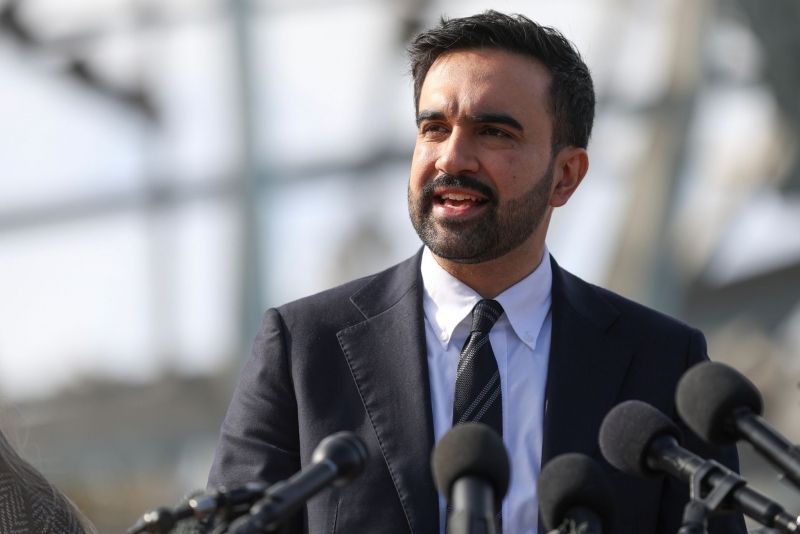
Mamdani initially volunteered in local political campaigns, gaining valuable experience and connections. In 2017, he joined the Democratic Socialists of America, a progressive wing of the Democratic Party. This faction differs significantly from traditional Democrats, embracing leftist or socialist-leaning policies. Mamdani quickly emerged as a leader, benefiting from his charisma, oratory skills, and the intellectual and creative influences of his parents. In 2019, a year after gaining U.S. citizenship, he decided to run for office.
His first attempt was successful: Mamdani won a seat in the New York State Assembly, representing District 36. This position gave the former immigrant a platform to address issues affecting New York and the wider U.S. His speeches, though sometimes populist in tone, resonated with a broad audience.
How competitors fared
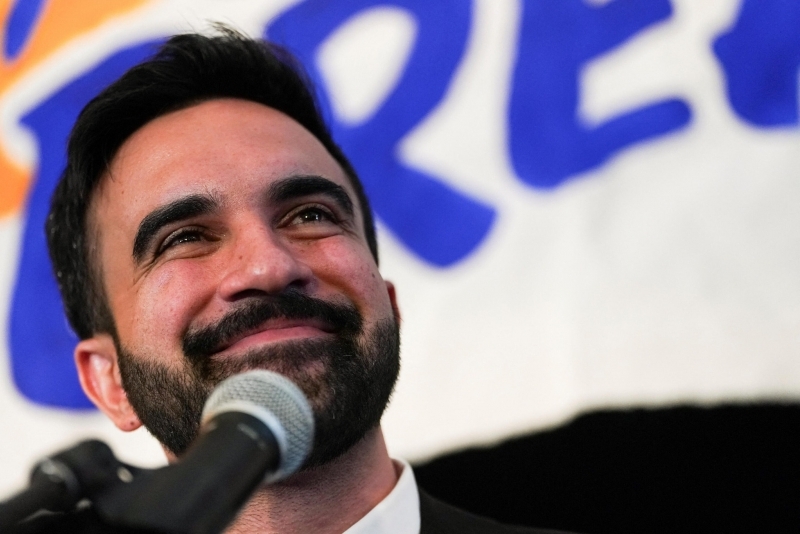
Mamdani’s eloquence and public presence elevated his profile, raising hopes for a successful mayoral campaign. Notably, he drew support not only from Muslim voters but also from diverse social groups, including LGBTQ+ activists, who publicly celebrated his victory. His stance on the Palestinian issue and sympathy toward Hamas did not deter New Yorkers.
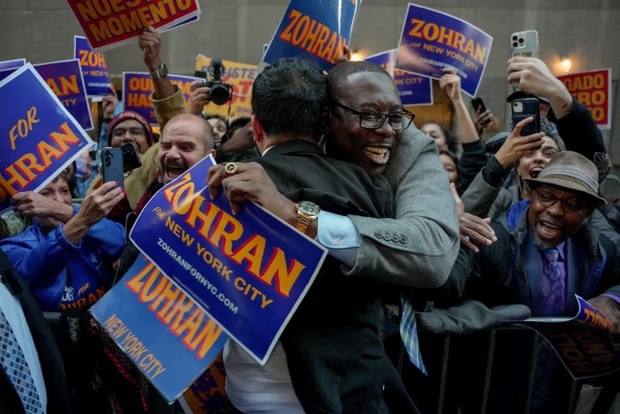
Recent political circumstances in the city also favored Mamdani. New York’s traditional political system had lost credibility. Incumbent Democratic Mayor and former police captain Eric Adams faced multiple corruption investigations. Reports suggested Donald Trump had protected Adams from prosecution in exchange for dropping out of the race, with additional promises made by Trump’s Middle East envoy.
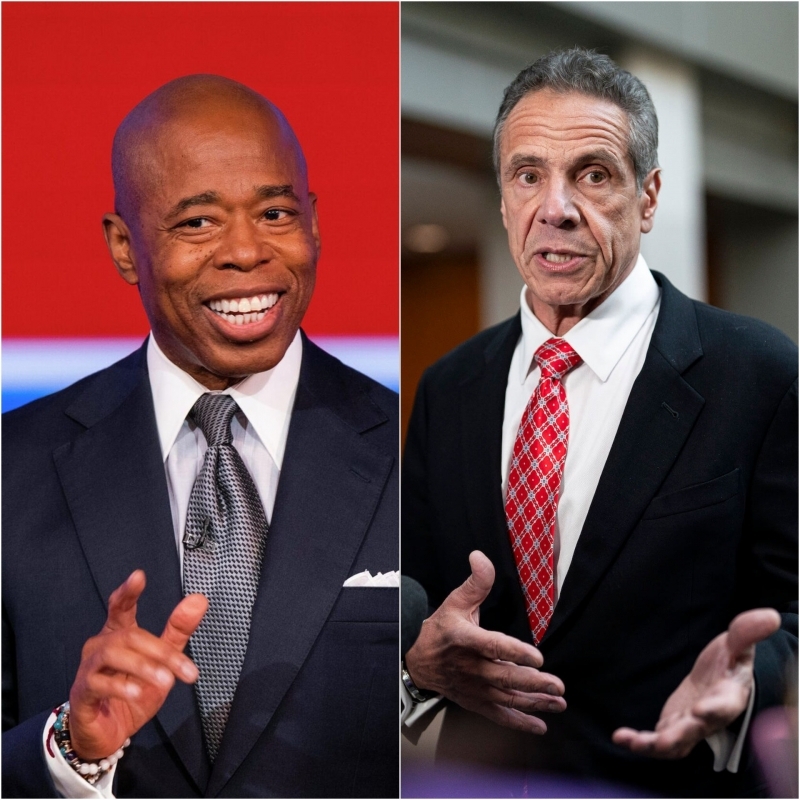
Another notable competitor was New York Governor Andrew Cuomo, who lost to Mamdani in the Democratic primary. Cuomo ran as an independent but failed to gain traction, inadvertently mobilizing Mamdani’s voters further. Support from wealthy donors and figures such as Trump, Elon Musk, and Stephen Miller did not benefit Cuomo.
It is important to note that New York has traditionally been a Democratic stronghold, leaving Republicans with little chance. This time, the Republican candidate was Curtis Silva, a humorous figure known for wearing a red cap and owning 17 cats.
Mamdani ran a modern campaign, leveraging social media platforms like TikTok to engage young voters, significantly boosting turnout among youth and immigrant communities.
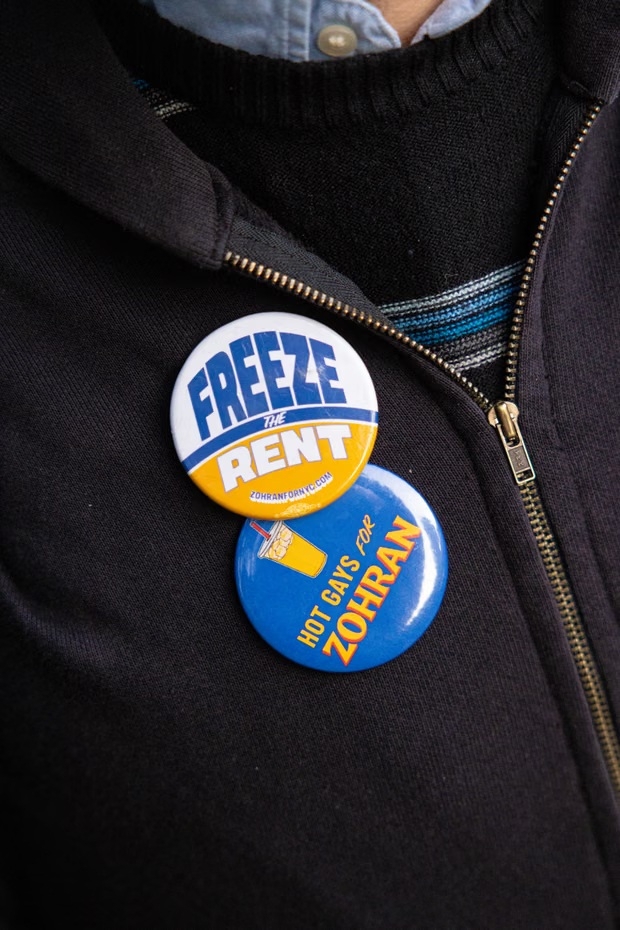
Mamdani’s campaign platform includes:
- Building new social housing
- Regulating rent prices
- Free public transport
- Free education
- Increased taxes on the wealthy and corporations
- Raising the minimum wage to $30/hour by 2030
- Establishing affordable food and utility stores
While these proposals may seem populist, Mamdani adapted successful campaign strategies from recent elections to fit his message.
He also set several records: voter turnout was the highest since 1969, particularly among young and immigrant populations. Mamdani received over one million votes, defeating Cuomo by nine percentage points. He will be the first Muslim mayor in New York City history and the youngest mayor since 1892.
Mamdani and his partner
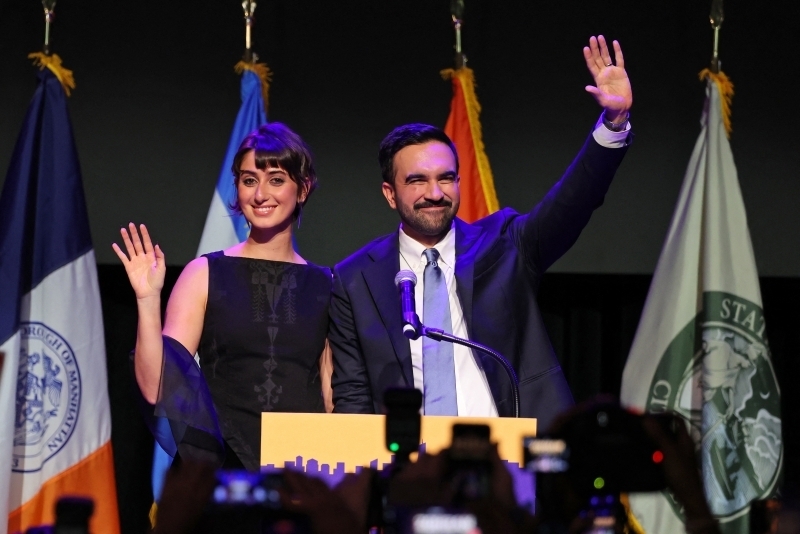
Mamdani’s personal life is as colorful as his political career. A Shia Muslim, he presents himself as a progressive in all matters. He enjoys hip-hop and released a rap album in 2016 in collaboration with Ugandan musician HAB under the stage name Young Cardamom, later changed to Mr. Cardamom. He has performed in his birthplace, Uganda, and briefly worked as a music producer for his mother’s films.
His partner, Rama Duwaji, is an eccentric and unconventional figure—a visual artist, animator, and social activist. They met through the Hinge dating app, with a commitment ceremony in October 2024 and a formal marriage in February 2025.
New hope for democrats?
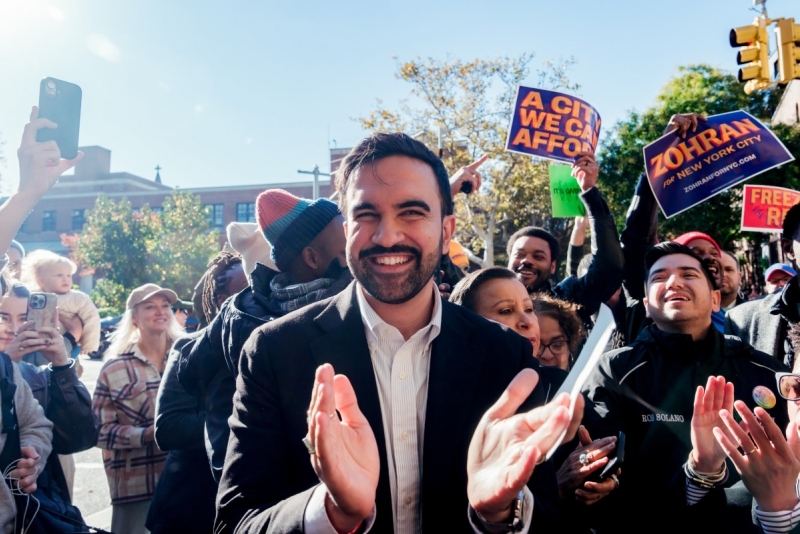
Trump framed Mamdani’s campaign as a personal challenge, labeling him a “radical leftist” and warning that a mayoral victory could halt federal funding for New York. Some even called for Mamdani’s deportation to Uganda. However, Mamdani not only won but openly opposed Trump’s political agenda.
Mamdani’s victory offers Democrats a chance to recover from political setbacks and establish a strong opposition to Trump, particularly ahead of the 2026 midterm elections. At the same time, it carries risks, as the party’s progressive shift may alienate centrist supporters, reflecting the deep political polarization in the U.S.

Live
All