Uzbekistan begins purchasing Kazakh gasoline
Local
−
27 September 2025 10817 3 minutes
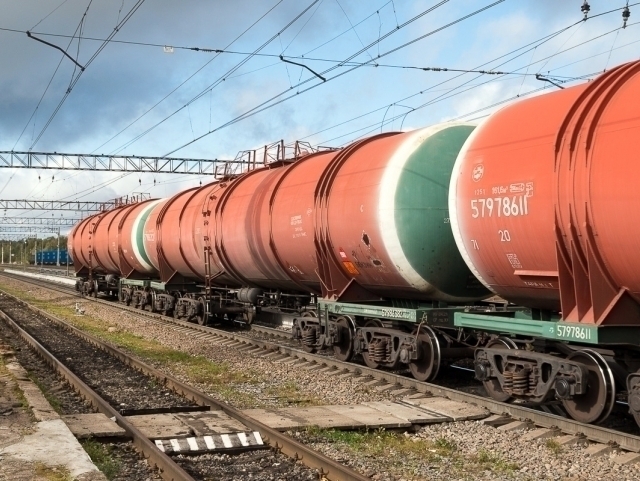
For the second year in a row, Uzbekistan has been restructuring its oil product imports, reducing its dependence on Russian supplies. This is stated in the September report of the Argus price agency, citing market participants.
Statistical data show that in the first half of 2025, the transportation of oil and condensate by rail from Russia to Uzbekistan decreased by almost 50 percent compared to the same period in 2024.
The main factor behind this decline was the suspension of joint deliveries by Gazpromneft to the Fergana Oil Refinery through the Transneft and KazTransOil systems. These deliveries were partially offset by shipments of Russian condensate by rail, including from the Astrakhan Gas Processing Plant and the Salavat Oil Refinery, where no cargo was transported last year.
Against the backdrop of reduced imports from Russia, crude supplies from Turkmenistan and Kazakhstan have increased significantly. Exports of Turkmen crude have risen almost fivefold, while gas condensate from CNPC resources has increased nearly threefold. Cargo transportation has been carried out using tanker fleets from Turkmenistan and Uzbekistan via the Samandepe station. Since the beginning of the year, condensate cargoes have also arrived from Kiyanli (Petronas) and various stations in Kazakhstan, including Beles, Makat, and Beineu.
Demand for jet fuel in Uzbekistan has grown due to increased activity at local airports. Most aviation fuel continues to be shipped from Russia to the Tashkent air hub, while shipments from Belarus and Turkmenistan have declined. By mid-summer, significant jet fuel reserves had accumulated in Tashkent, and companies are now considering distributing this fuel to other airports across the country.
Diesel fuel imports have also grown, while gasoline purchases from abroad decreased thanks to increased production at domestic refineries. At the same time, gasoline supplies from Kazakhstan to Uzbekistan have risen almost tenfold after major oil refineries in the neighboring country allocated export quotas.
The fuel oil market has shown a different trend: imports fell sharply amid declining consumption and Uzbekistan’s plans to phase out its use in the energy sector by the end of the year. Fuel oil supplies to Afghanistan also dropped due to reduced domestic production and growing demand for fuel there, primarily from metallurgical companies.
It is noted that Uzbekistan continues to diversify its petroleum supply sources, gradually reducing its reliance on Russian imports and strengthening ties with Kazakhstan and Turkmenistan.
It is worth noting that the Kazakh Ministry of Energy had previously announced a ban on fuel exports, stating that gasoline was not being supplied to Uzbekistan or other countries.

Live
All